
Sri Lanka’s exporters are adapting to a transformed global landscape characterized by unpredictable costs, volatile currencies, and unstable trade routes. While opportunities for growth still exist, they are now accompanied by a multitude of uncertainties.
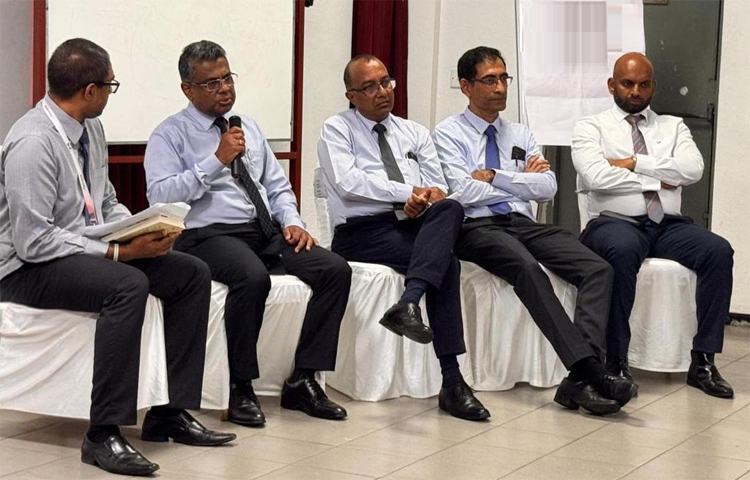
This changing environment was highlighted at a recent event organized by the Ceylon Chamber of Commerce, where the Export Acceleration Programme convened exporters, financial institutions, and industry leaders for two days of discussions. DFCC Bank played a significant role in these conversations, which rapidly transitioned from theoretical frameworks to the tangible challenges that businesses are currently facing. What initially served as a workshop for capacity building evolved into a more pragmatic dialogue, showcasing a shift in the understanding of the export sector.
A recurring theme throughout the discussions was the critical importance of foreign exchange management. Unlike before, currency fluctuations have taken center stage in decision-making processes. The rapidity of currency movements necessitates precise timing, and the stakes associated with miscalculations have risen dramatically.
Concerns regarding payment risk have also intensified. Exporters are now dealing with extended settlement periods, especially in unfamiliar markets, making it increasingly difficult to evaluate counterparty risk. In some instances, transactions are being modified to enhance certainty regarding payment timelines and receipt.
Despite these challenges, the desire for growth among exporters persists. However, the approach to expansion has become more cautious. Companies are now adopting a selective strategy, carefully balancing potential opportunities with considerations of currency risk, compliance obligations, and working capital limitations. Growth remains a priority, but it is being pursued with a more disciplined approach.
This evolving landscape is also altering the expectations placed on financial partners. Simply providing access to funding is no longer adequate; exporters are now looking for expertise in transaction structuring, risk management, and the complexities of international trade. The integration of treasury services, trade assistance, and advisory capabilities has become increasingly critical.
DFCC Bank’s involvement in the discussions underscored this shift in needs. The emphasis was on understanding how global market trends impact the practical realities faced by Sri Lankan exporters in managing cash flow, fulfilling orders, and safeguarding profit margins in a fluctuating environment.
The overall outlook remains mixed. While there are still opportunities for diversification and value-added exports, along with the emergence of new markets, the current operating environment is less forgiving. The focus of discussions has transitioned from rapid growth to effective navigation of future challenges.
The panel from DFCC Bank included senior officials from key divisions, such as Mr. Prins Perera, Senior Vice President – Head of Treasury; Mr. Pradeep De Alwis, Vice President – Head of Business Banking; Mr. Prasanna Premaratne, Vice President – Trade Services; and Mr. Jude Muttiah, Assistant Vice President – Business Banking. The session was moderated by Mr. Koushall Vian, Assistant Manager – Business Banking.
Source: Financial Chronicle Biz English | Sri Lanka Business News.