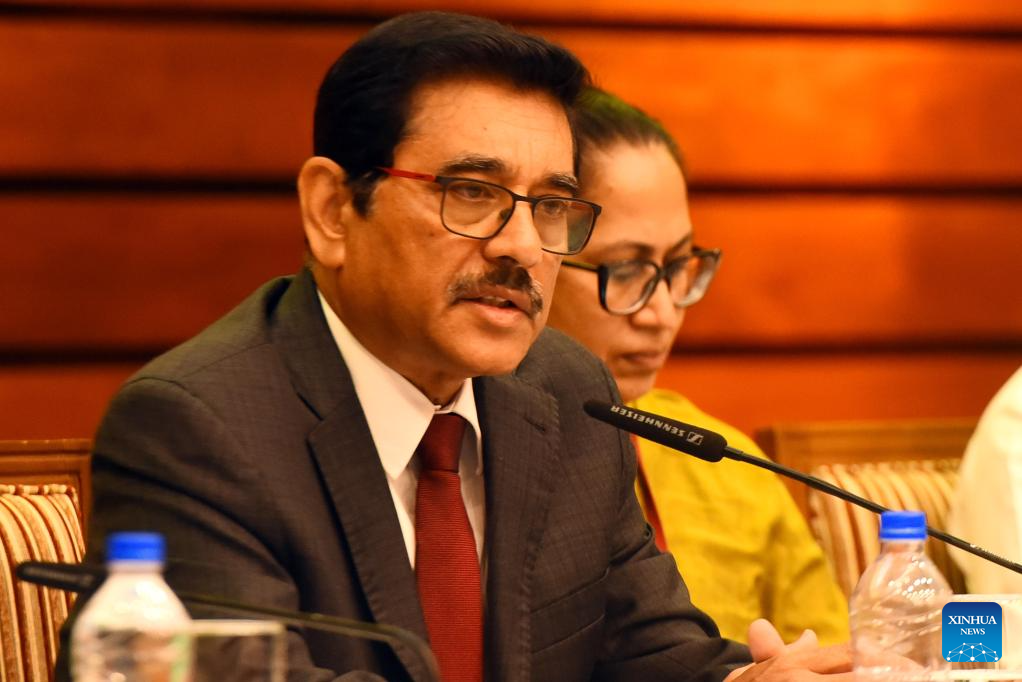

Colombo – In a marked shift from earlier optimism, Central Bank Governor Nandalal Weerasinghe has adopted a more measured and pragmatic stance as Sri Lanka confronts a fragile recovery and rising global uncertainty. With geopolitical tensions in the Middle East threatening energy markets and global stability, his evolving posture signals a deeper recognition of the risks that lie ahead.
Sri Lanka’s economic collapse in 2022 was not merely a financial crisis it was a systemic breakdown that triggered political instability, social unrest, and a loss of institutional credibility. Today, the memory of that collapse continues to shape policymaking at the highest levels.
Weerasinghe’s recent acknowledgment that the recovery path may be harder than initially expected reflects a broader recalibration within the country’s economic leadership. The emphasis has shifted from reassurance to resilience, from optimism to discipline.
At the core of this approach is an unwavering commitment to the IMF-supported reform programme. While the measures—tight monetary policy, fiscal consolidation, and structural reforms have imposed significant hardship on the public, they are increasingly being framed as essential safeguards against a repeat of past failures.
The added complication now is the external environment. Escalating tensions in the Middle East pose a direct threat to energy-importing economies like Sri Lanka. A sustained increase in oil prices or disruption to supply routes could rapidly erode foreign reserves and destabilize the currency.
In this context, Weerasinghe’s policy direction reflects a strategic awareness of global risk dynamics. His approach prioritizes reserve accumulation, controlled import demand, and monetary discipline tools designed not just for recovery, but for shock absorption.
Critically, the Central Bank’s posture today is also about restoring confidence both domestically and internationally. Investors, creditors, and multilateral institutions are closely watching whether Sri Lanka can maintain policy consistency under pressure.
Unlike in the lead-up to the 2022 crisis, when policy missteps compounded vulnerabilities, the current framework is built around predictability and adherence to external benchmarks. This alignment with international financial institutions is not without controversy, particularly given the social cost of reforms, but it has provided a degree of credibility that was previously absent.
There is also a broader institutional lesson at play. Economic crises in Sri Lanka have historically translated into political instability. Preventing another economic collapse, therefore, is not just a financial objective—it is central to maintaining governance and social order.
Weerasinghe’s leadership is being tested not in a period of calm, but in one of overlapping crises: domestic recovery, external shocks, and geopolitical uncertainty. His effectiveness will ultimately be judged not by short-term relief, but by whether Sri Lanka can withstand future disruptions without tipping back into crisis.
For now, the message from the Central Bank is clear: the margin for error is gone. Discipline is no longer a policy choice it is a necessity.
And in a world increasingly defined by uncertainty, Sri Lanka’s stability may depend less on optimism, and more on how firmly that discipline is maintained.