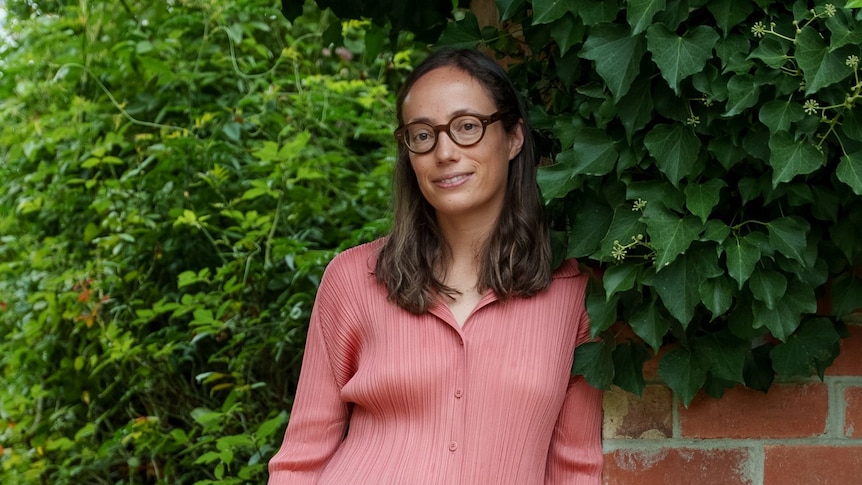

In a deeply personal exhibition, Lily Mora, a third-generation art curator and gallerist, delves into the archives of her late grandmother, Mirka Mora, a French-born Australian artist, for a new showcase at the Heide Museum of Modern Art.
Titled “Always Modern: Radical Nurture,” the exhibition highlights the influential artists associated with Australian modernism, collectively known as the Heide Circle. This group of innovators, who rejected conventional norms, convened at Heide, a former dairy farm located along the Yarra River in Bulleen, which was owned by John and Sunday Reed. Here, they fostered each other’s artistic endeavors and created many iconic pieces.
Mirka Mora was an integral member of this vibrant bohemian community during the 1950s and 60s, choosing a progressive lifestyle over traditional domesticity. Now, decades later, her granddaughter Lily is drawn to this artistic legacy.
“I aimed to explore the environment that these artists cultivated at Heide and how it contributed to the emergence of Australian modernism,” Lily explains.
The exhibition features over 60 artworks from the Heide collection and Mirka Mora’s estate, who passed away in 2018 at the age of 90. It also includes pieces from notable artists such as Charles Blackman, Joy Hester, Sidney Nolan, Albert Tucker, Sam Atyeo, and Danila Vassilieff.
Lily has a longstanding relationship with Heide, having first visited as an infant with her late father, William Mora, a distinguished gallerist who died in 2023. (The William Mora Galleries is currently managed by his wife, Anna Mortley.) Her grandparents frequently visited Heide as well. After arriving in Australia with her husband Georges in 1951, Mirka quickly formed a close bond with the Reeds, a friendship that would endure for 30 years.
Lily remains captivated by the Reeds and their invaluable support for the artists who congregated at Heide. “I find it fascinating how revolutionary they were in fostering that community,” she reflects. “At times, they collected works from these artists, but they also provided meals and accommodations to those they believed in. Occasionally, they even offered financial assistance.”
Now a mother herself, Lily cherishes memories of her grandmother, who was known for her mischievous spirit and encouraged Lily and her brother to embrace their playful side. “She would often take us out to eat and teach us tricks, like how to discreetly loosen the tops of salt and pepper shakers so that others would end up ruining their meals,” Lily recalls. “I remember hiding under the table with her, tying people’s shoelaces together—she was always playful and full of clever mischief.”
This playful essence also permeated Mirka’s artistic creations. A Holocaust survivor and loving grandmother, she maintained a non-conformist approach, allowing her grandchildren to witness her creative process and even involving them in it. “One of the themes in this exhibition is motherhood, particularly in the context of care, which resonates with my current experiences,” Lily shares. “Exploring the role of artist mothers through this lens was significant for me.”
The exhibition features Mirka’s angelic representations of mothers and infants, highlighting her enduring fascination with the mother-child bond. “She often expressed that her children were inseparable from her soul,” Lily explains. “Mirka was not a traditional 1950s mother; she was unapologetic about her passion for painting, making it a core aspect of her identity. I find that quite inspiring.”
Mirka aimed for her children to see her as an individual first and a mother second, which Lily considers a radical stance for her time. “People were not ready to accept that a woman could be both a loving mother and a successful artist. These two roles often conflicted, but she refused to conform and managed to embody both.”
The exhibition also includes a poignant portrait by Joy Hester of her son, Sweeney, painted as she was beginning to show signs of lymphoma. “Joy entrusted Sweeney to John and Sunday Reed, who subsequently adopted him as their own,” Lily notes. “This relationship is a beautiful and significant part of the Heide narrative, illustrating the diverse ways family was conceptualized within this community.”
Additional notable works in “Radical Nurture” include Sidney Nolan’s “Head of Rimbaud,” which pushed the boundaries of contemporary art and faced criticism for its unconventional style. The show also features introspective self-portraits by Charles Blackman and experimental cardboard cutouts originally created as playful toys for his children. “Although intended for fun, Charles found cardboard to be a captivating medium for artistic expression,” Lily remarks.
While “Always Modern: Radical Nurture” honors avant-garde artists like Nolan and Blackman, it equally emphasizes themes of friendship, maternal influence, and sisterly affection. “The exhibition includes many drawings that Mirka gifted to John and Sunday, depicting their shared summers in Aspendale, where they spent countless Christmases and long summers together,” Lily concludes. “The show captures the modern and radical spirit of these artists, while also celebrating the warmth of their personal connections.”