
Indians have long been recognized as a people who cherish peace. Throughout India’s extensive history, there have been no instances of the nation instigating war. However, when provoked, India has demonstrated its capacity to respond decisively. The country has consistently adopted a foreign policy centered on peace and non-aggression, positioning itself as a defender rather than an aggressor.
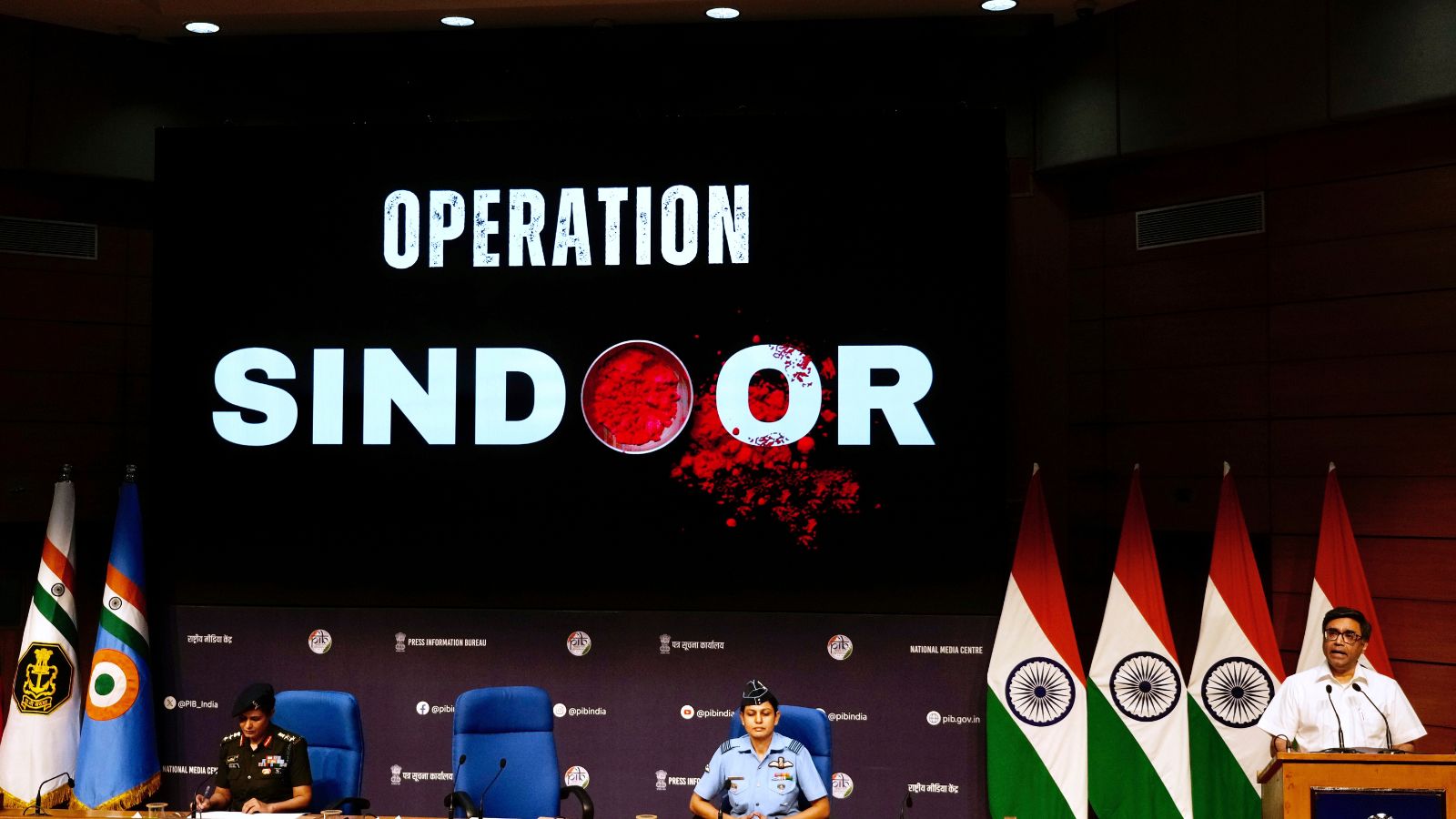
The essence of Indian philosophy is encapsulated in the principle, “Ahimsa paramo dharmaha, Dharma himsa tataivacha,” which translates to the idea that nonviolence is the highest virtue, yet righteous warfare also has its place. Actions such as surgical strikes and Operation Sindoor are viewed as necessary responses in the context of justifiable violence.
Historically, India has upheld a stance of ahimsa and tolerance. Even during the times of the Mahabharata, the character of Krishna made significant efforts to prevent conflict. However, Duryodhana’s refusal to yield even the smallest piece of land to the Pandavas led to the devastating 18-day battle of the Mahabharata, resulting in countless casualties. In a poignant moment after the war, Draupadi gazed out her window and saw the sorrow of widows and orphaned children, leading her to lament the tragic consequences of her desire for vengeance. Krishna reminded her that the unpredictable nature of war makes its outcomes impossible to foresee or control, resulting in irreparable destruction and suffering.
The saying, “Zulam karna paap hai. Par zulam sehna bhi paap hai,” highlights the moral dilemma of oppression, emphasizing that it is a sin both to perpetrate and to endure oppression. In the tale of Rama, when Sita was abducted by Ravana, Rama initially sought a peaceful resolution by sending envoys to request her return. Ravana’s refusal forced Rama to wage war against Lanka, which was considered a righteous battle. This illustrates that even those who strive for peace may find war unavoidable.
While non-violence is ideal for fostering lasting peace, there are critical moments when responding to aggression with force becomes essential for achieving justice and ensuring self-defense. In today’s world, headlines are dominated by reports of wars, with innocent lives lost daily and no resolution in sight. It is often forgotten that every casualty represents a loved one—be it a child, spouse, sibling, or parent—whose life is irrevocably altered by conflict. The consequences of war invariably result in death, devastation, and suffering.
Ultimately, victories may be claimed and losses endured, but the fallen cannot be brought back. The prevalence of greed raises questions about humanity’s choices. Historical figures like Alexander the Great serve as reminders of this truth; despite his conquests and wealth, he recognized on his deathbed that he would leave this world empty-handed, urging that his body be displayed with his hands hanging out to symbolize that material wealth cannot accompany one in death. What truly matters are one’s good deeds, such as aiding those in need, feeding the hungry, or offering comfort to the sorrowful, as these acts resonate with a higher moral purpose.
Winning battles may not be as challenging as achieving peace. A significant portion of the globe is engulfed in conflict, and it is my hope that humanity chooses the path of peace, lest we are left with nothing but remnants of destruction. Samastha Loka Sukhino Bhavantu!
(Priya S Tandon writes a daily blog on Indian mythology)
Stay informed on the latest updates – Click here to follow us on Instagram.