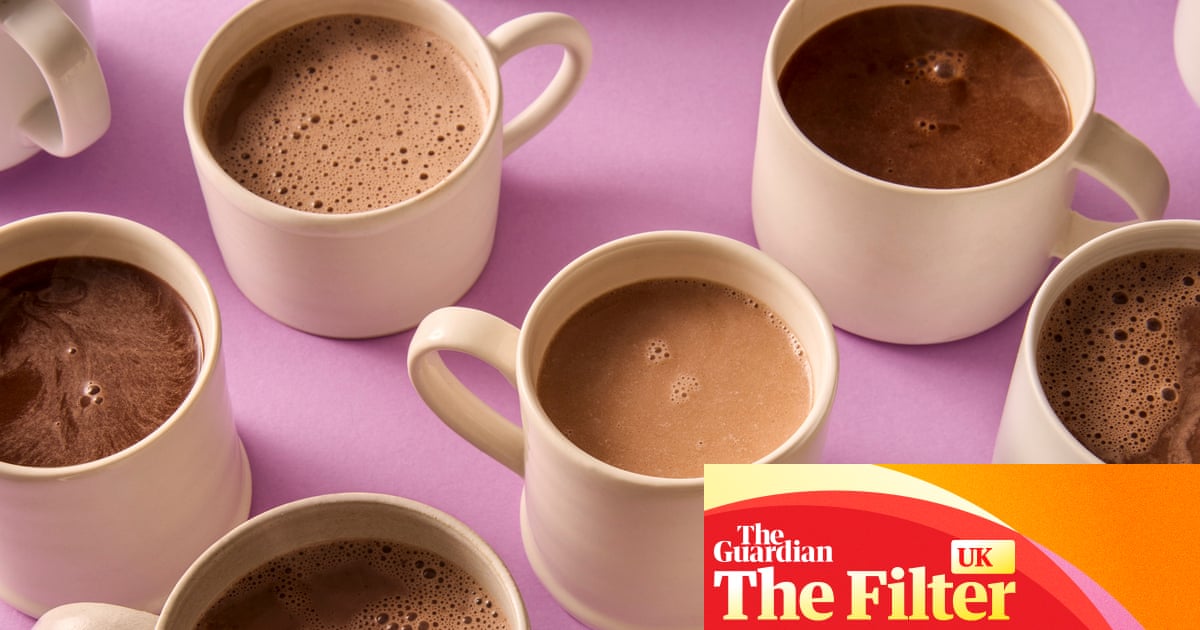

A steaming cup of hot chocolate can evoke feelings of comfort and nostalgia, making it one of life’s simple pleasures.
The Guardian operates independently, and we may receive a commission if you purchase through an affiliate link. For further information, please read our policy.
Today, the market offers drinking chocolate of remarkable quality that simply wasn’t available in the past. This chocolate is often crafted from some of the finest sources globally, featuring options like bean-to-bar, single-origin, or even single-estate varieties, typically created from high-quality grated chocolate without any additional ingredients.
During a recent taste test, many of the mid-range and premium chocolates stood out for their impressive quality: they are minimally processed, well-certified, and responsibly sourced. However, if you’re looking to save money, it’s advisable to steer clear of instant hot chocolate. These products frequently contain skimmed milk powder, whey, emulsifiers, and stabilizers, resulting in a rather unsatisfying experience.
For an economical yet delicious option, combine Fairtrade cocoa powder with a bit of dark chocolate and a splash of cold milk to form a paste. Then, pour in hot milk and adjust the sweetness with sugar. If you have cream on hand, adding it can elevate even average cocoa to a delightful treat.
Single-estate cacao represents the pinnacle of bean-to-bar chocolate production. A stunning 52% cacao from Medellín, Colombia, exemplifies this with its complex flavors, featuring deep, roasted hickory, hay, and sour plum undertones.
Another standout is a powdered chocolate composed of just two ingredients: 41% cocoa from the Rainforest Alliance and sugar. Its rich aubergine hue and nutty almond flavor are complemented by tangy blackstrap molasses notes, and it boasts a pleasing viscosity for a powdered product.
One of the most exceptional chocolates I encountered had a lovely lilac color and a wonderfully thick texture. Its flavor was unparalleled, enhanced by sea salt and earthy hints of hay and salted caramel, along with a fruity note. It is certainly worth the investment and stands out as my favorite indulgence.
There is also a 55% dark chocolate made from directly sourced flakes. The recommended preparation involves a 1:5 chocolate-to-liquid ratio, resulting in a rich and flavorful drink that balances sweetness with floral hints of citrus, raisin, and roasted caramel. This product has received a Great Taste One Star award and is commendable for its sustainability practices.
Another option features simple flakes of Venezuelan criollo milk chocolate produced in Belgium. This chocolate delivers a warm, rich flavor with a smooth texture and sweet notes of vanilla and salted caramel.
Five individual sachets of Fairtrade chocolate pieces offer a luxuriously rich and well-balanced hot chocolate, characterized by a thick, smooth consistency and subtle bitter notes accompanied by sweet vanilla, spice, and sour cherry flavors.
I experienced pronounced vanilla notes followed by a delightful bitter cocoa taste, with a hint of soya as well. This product includes emulsifiers and flavoring, featuring Rainforest Alliance-certified cocoa powder blended with sugar and flavoring (likely vanilla).
Lastly, the only instant hot chocolate in this review consists of sugar, milk powders, and Fairtrade cocoa powder. Mixing four teaspoons in a small glass of hot water resulted in a rich but overly sweet beverage. Although it lacked viscosity without real milk, it still offered a satisfying taste with fudgy caramel notes.
For additional insights, check out our recommendations for the best supermarket Easter eggs and tips for making exceptional coffee.