

Picture this scenario: a man stands in a tranquil suburban street in England, brandishing a stack of cash. With a big smile directed at the camera, he exclaims, “I’m here to cover the energy bills for everyone on this street.” The scene transitions to sweeping drone shots of the neighborhood. The man approaches a front door, and a surprised woman in a cozy robe answers. “Congratulations, Carol! You’ve saved over £1,000 this year!” High-energy electronic music crescendos as she embraces him. The camera cuts to other neighbors receiving similar news, with a tally of the total amount displayed on the screen, culminating in a community celebration as everyone joyfully waves in the street.
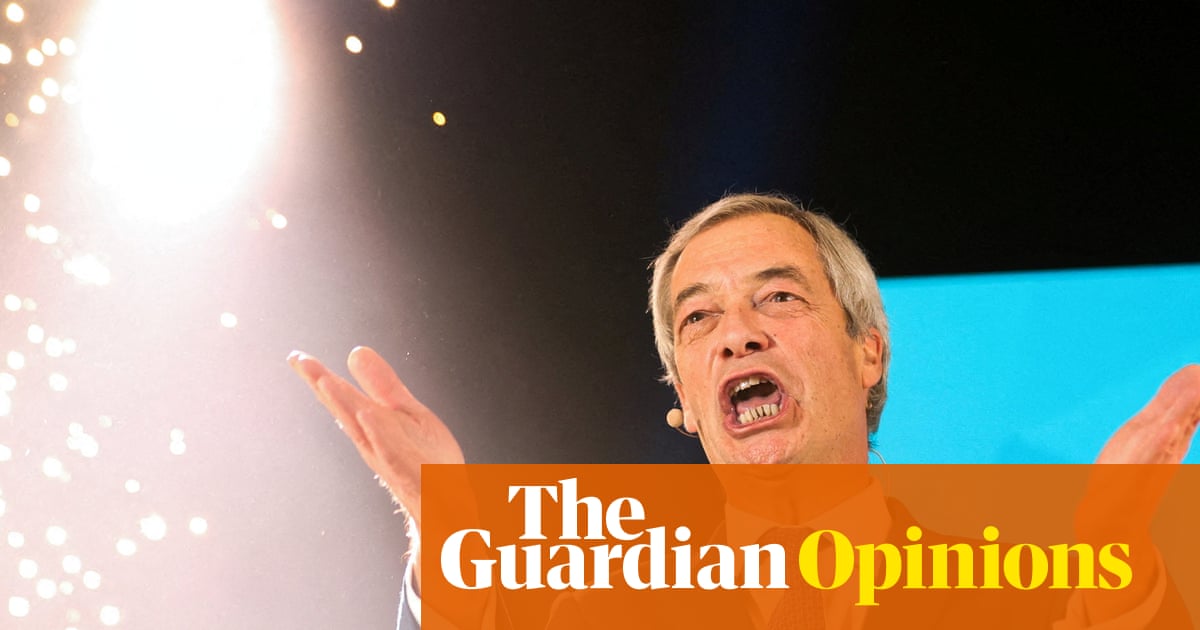
This type of content is likely what we can expect from Reform UK’s recently announced energy bill lottery. Titled “Nigel Cut My Bills,” the competition allows participants to trade their personal information—such as voting history, name, phone number, and email—for a chance to have Nigel Farage visit and pay their energy bills for a year.
While there are valid concerns regarding data privacy, my worries extend beyond that issue. I’m more troubled by what this initiative signifies: the trend of transforming British politics into a spectacle akin to the antics of YouTube star MrBeast.
MrBeast, known for his extravagant stunts that delight young audiences globally, often features giveaways of substantial cash amounts to unsuspecting individuals. One notable instance involved him gifting $10,000 to a homeless man in North Carolina. The real name of MrBeast, James Donaldson, resonates widely, with his most popular video garnering an astonishing 915 million views—more than the total population of Europe.
Reform UK recognizes that modern politics unfolds largely online, where emotional engagement is crucial. To capture public attention and garner support, it aims to evoke anger (over issues like small boats) while also creating excitement around its proposals. The energy bill lottery mimics the surprise and thrill characteristic of MrBeast’s content, where large cash prizes and an element of randomness stimulate audience interest.
The “Nigel Cut My Bills” website also outlines how Reform intends to lower energy expenses if they secure victory in the next election. Their proposals include eliminating VAT from energy bills (a saving of £85), abolishing Labour’s green levy (another £100 saved), and removing Labour’s carbon tax (which saves £15). This initiative, while clever in its approach to political messaging, essentially conveys a message: “Farage is the man who puts money back in your pocket—now and possibly in the future.”
However, amid the flashy presentation and social media-friendly tactics, it’s easy to overlook the misleading implications regarding energy pricing. Energy costs are not primarily high due to VAT, green levies, or carbon taxes; they are largely influenced by the prices of our main energy source, gas. The ongoing reliance on fossil fuels, rather than renewable energy, is a critical factor. Farage’s focus on extracting gas from the North Sea would merely tether us to unpredictable energy markets, leaving individuals like Carol at a disadvantage in the long run.
This situation echoes a Reform policy proposed during its 2024 campaign. The party suggested imposing a £250,000 fee on non-domiciled residents for a renewable 10-year residence permit with favorable tax status. The revenue from this tax would be directed toward the UK’s lowest-paid workers. While it may appear as a surprise windfall for voters like Carol, the true beneficiaries would be wealthy individuals residing outside her neighborhood, as that modest sum pales in comparison to the taxes they would otherwise contribute to public services in the UK.
In a MrBeast video, after handing cash to a homeless man, Donaldson learns about the man’s tragic circumstances—losing his family and job before becoming homeless. The discomfort on Donaldson’s face highlights a common issue: grand gestures and superficial policies fail to address the complexities of reality; they ultimately serve more as theatrics than genuine solutions.
Kirsty Major serves as a Deputy Opinion Editor for The Guardian.