
As I shared my retirement plans with friends and colleagues, I found that many responded with the same question: “What will you do now?” This reaction is understandable, yet somewhat curious. After all, isn’t having more free time a universal aspiration?
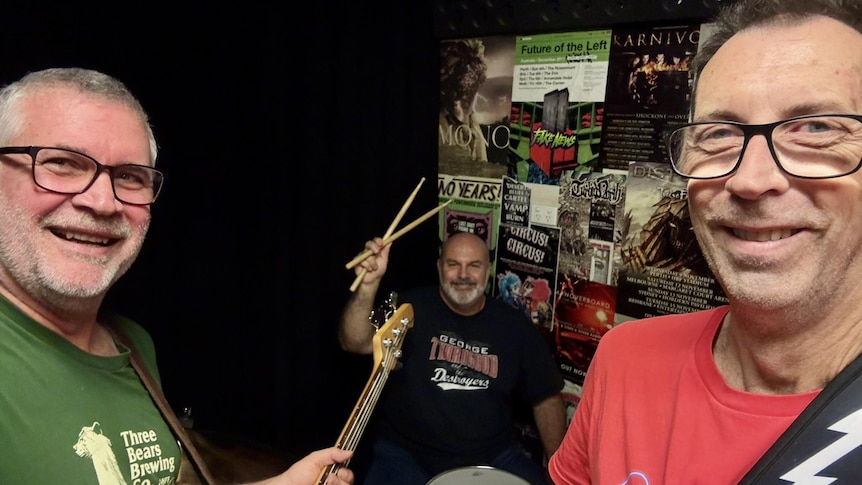
Retirement is often marketed by financial institutions as a period when individuals can finally pursue their passions and desires. I consider myself fortunate; I enjoy writing books and performing with a band in Brisbane. My days are filled with enjoyable activities.
However, while the gift of time is one of retirement’s greatest advantages, it can also pose challenges for those who have spent many years in the workforce. Transitioning from a structured career—whether it was fulfilling or frustrating—can lead to feelings of aimlessness, commonly referred to as “relevance deprivation syndrome,” especially if there is no clear plan for the future.
It’s a common misconception that idleness equates to laziness; the belief that if one is not engaged in productive activities, they are squandering their life. It’s essential to let go of this ingrained work ethic.
I have learned to appreciate days spent simply reading, enjoying nature, or watching a documentary on Netflix. Many concerns surrounding retirement stem from the anxiety about whether one can financially sustain a leisurely lifestyle.
A survey conducted last year by the financial comparison platform Finder indicated that one in five Australians, or approximately 4.3 million individuals, feel they lack sufficient funds in their superannuation or investments to support themselves in retirement.
The Association of Superannuation Funds of Australia (ASFA) estimates that a single retiree needs at least $630,000, while couples require around $730,000 to enjoy a comfortable retirement by the age of 67. This translates to annual expenses of approximately $54,840 for individuals and $77,375 for couples, with these figures increasing over time due to inflation.
Travel often ranks high on retirement wish lists, and it certainly tops mine. Yet, travel will only punctuate a longer narrative. Without engaging and fulfilling activities, this narrative may start to feel more like confinement.
Born in 1966, I grew up during a time when the average life expectancy for Australian men was about 67 years, as reported by the Australian Institute of Health and Welfare. It’s no surprise that some viewed retirement as a swift descent into decline.
Today, advancements in healthcare and improved lifestyle choices have increased life expectancy to about 81.1 years for men and 85.1 years for women, according to the Australian Bureau of Statistics. I feel privileged to have retired at 58, which affords me at least two decades of leisure ahead.
I have a list of goals I hope to accomplish, including volunteering and contributing to my community, although I recognize that it may take some time before I can engage in those efforts.
How individuals choose to spend their free time is often closely tied to their financial situation. Data from the Australian Bureau of Statistics reveals that in 2024, over 35% of men and nearly 29% of women aged 65 and older reported gardening as a regular pastime. Around 25% of people in this age group indicated they travel, but less than 6% regularly volunteer their time.
I am thankful for the opportunity to spend more time with my family. This stage of life often requires attention from both parents and children, and I appreciate the flexibility to be present for my father in Sydney and my daughter in Melbourne.
I am currently pursuing an agent for my latest novel and working on another project. Yet, there are days when not much occurs, which is perfectly acceptable.
In fact, it can be quite rewarding.
One piece of advice I would offer is to maximize your superannuation contributions as early as possible. While this may be challenging for many, it is often feasible to save more than one might initially believe.
Though your days may feel long, the years tend to pass swiftly.
Matt Eaton is a former journalist with the ABC, having dedicated three decades to the national broadcaster.