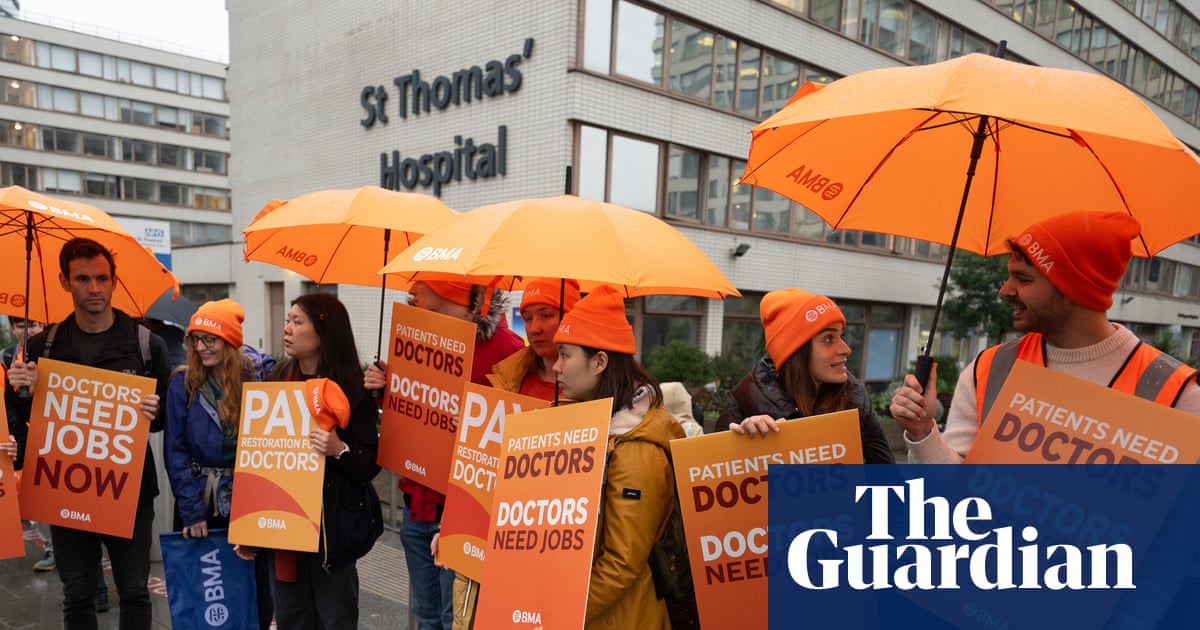

The National Health Service (NHS) is encouraging patients to seek necessary medical attention amid an impending six-day strike by resident doctors, which is set to begin on Tuesday. The Health Secretary has expressed disappointment over this course of action.
In England, tens of thousands of resident doctors will participate in the strike, prompted by the government’s withdrawal of a significant component of its proposal. Recently, the Department of Health and Social Care announced that the previously promised addition of 1,000 training positions would no longer be feasible, both financially and operationally.
NHS England has assured that hospital teams nationwide are preparing to minimize the impact on patients during the strike, which is anticipated to be particularly challenging due to the limited notice given.
Patients are encouraged to keep their scheduled appointments unless they receive a notification to reschedule. Those facing life-threatening emergencies are instructed to call 999 or visit the Accident & Emergency department.
Professor Ramani Moonesinghe, who serves as the national clinical director for critical and perioperative care at NHS England, stated, “NHS staff will make every effort this week to ensure patient safety and continuity of care. We recognize that this wave of industrial action will pose difficulties, especially following the Easter weekend, but we urge patients to attend their appointments as planned unless otherwise informed.”
Moonesinghe added, “The NHS is operational as usual this week—please reach out to 999 for emergencies and utilize the online 111 service for urgent, non-life-threatening issues.”
The British Medical Association (BMA) is advocating for a salary increase greater than the 3.5% raise proposed by the government.
Health Secretary Wes Streeting remarked, “It is unfortunate for both patients and healthcare staff that the BMA has chosen to proceed with strikes this week, especially after we presented a proposal that would have resulted in an average salary increase of 35.2% for resident doctors over the past four years.”
He emphasized, “My focus, along with that of NHS leaders, is on safeguarding both patients and staff by reducing service disruptions. Thanks to the commitment of NHS personnel, nearly 95% of planned activities were maintained during the December strikes, and I want to reassure patients that the NHS will continue to be there for them during this period.”
Additionally, BMA staff are scheduled to join the strike, aligning their actions with the resident doctors. The BMA’s latest pay proposal for its staff stands at 2.75%, which is lower than the recent offer made to resident doctors.
Dr. Jack Fletcher, chair of the BMA’s resident doctors committee, stated, “While the health secretary may express disappointment, it is crucial to recognize that a favorable deal was in negotiation until the government quietly revised it, diminishing the financial offer and extending the timeline for acceptance.”
Fletcher added, “Resident doctors share the desire to resolve the strike situation, but the government must present a viable offer that remains consistent and acceptable.”