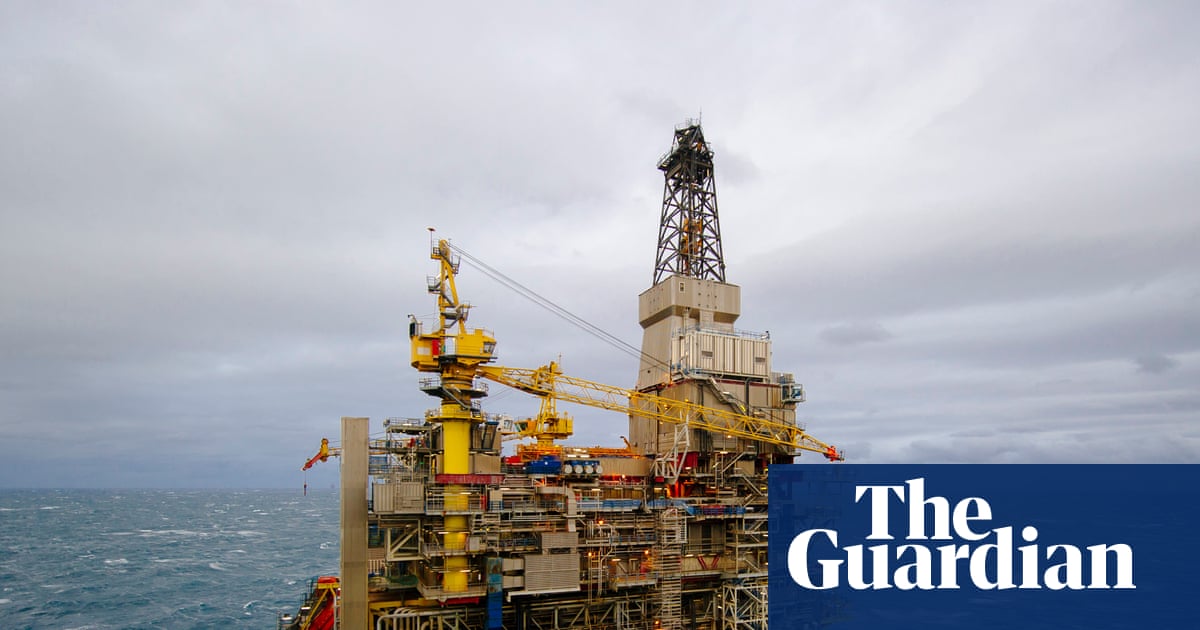

Research indicates that developing significant new gas fields in the North Sea would have minimal impact on the United Kingdom’s dependency on gas imports. The Jackdaw field, identified as one of the largest untapped gas reserves in the North Sea, is projected to replace only 2% of the UK’s current gas imports, leaving the nation heavily reliant on Norwegian supplies and a few other sources.
Similarly, the Rosebank field, located in Scottish waters and primarily rich in oil, is expected to account for merely 1% of the UK’s gas imports. Tessa Khan, executive director of Uplift—a campaign organization that gathered this data from publicly available sources—stated, “New developments like Jackdaw and Rosebank would contribute negligibly to the enhancement of UK gas production. Even under highly optimistic conditions, where no gas is exported, Jackdaw would fulfill just 2% of the UK’s demand over its lifespan of nine to twelve years.”
Various authorities, including the UK Energy Research Centre, have previously asserted that new drilling initiatives would not lead to lower oil and gas prices or bolster the UK’s energy security. Furthermore, these projects are unlikely to generate stable employment or significant tax revenue, considering that 90% of the UK’s North Sea oil and gas reserves have already been depleted, resulting in a sharp and irreversible decline in the industry. Additionally, companies are seeking tax incentives to explore these new fields, which are more challenging to access compared to existing resources.
Ed Miliband, the Secretary of State for Energy Security and Net Zero, faces mounting pressure from the fossil fuel sector, Nigel Farage’s Reform UK party, certain trade unions, and Conservative members to approve the Jackdaw and Rosebank projects. These fields are exempt from the ban on new North Sea drilling licenses because their applications were submitted before the Labour government took office.
Rachel Reeves, the Chancellor of the Exchequer, has expressed support for drilling in the past; however, during a recent G7 energy meeting, she highlighted the importance of renewable energy as a solution to ongoing oil crises. Miliband has yet to reach a conclusion regarding either field and is reportedly weighing their potential consequences. The UK is anticipated to be represented at an upcoming climate conference in Colombia, where discussions will commence on strategies to phase out fossil fuels.
The North Sea regulator has requested additional information from Adura Energy, the owner of the Jackdaw field, concerning its license application, particularly regarding greenhouse gas emissions. This inquiry may prolong the decision-making process, with no immediate resolution expected.
Decisions concerning the Rosebank field may be made independently of those regarding Jackdaw. Khan commented, “Rosebank primarily serves profit motives rather than our security. Its reserves, if utilized, would lead the UK to violate its climate commitments and are largely intended for export. It could only reduce the UK’s annual gas import dependency by an average of just 1%.”
Philip Evans, a senior climate campaigner with Greenpeace UK, remarked, “Our fossil fuel supply is dictated by an unpredictable global market that is frequently disrupted by wars and blockades. The only viable path to genuine security is to expedite the transition away from fossil fuels.”
A spokesperson for the Department for Energy Security and Net Zero informed the Guardian, “Our main goal is to ensure a fair, orderly, and prosperous transition in the North Sea that aligns with our climate and legal responsibilities, fostering a clean energy future focused on energy security, reduced costs, and sustainable long-term employment.”
Recent data from the End Fuel Poverty Coalition revealed that the valuations of oil and gas companies surged due to the ongoing conflict in Iran. Since the conflict began, BP’s market capitalization has increased by nearly 25%, adding £17 billion to its value, while Exxon Mobil has seen a nearly 20% rise, boosting its value by £87 billion. Shell’s shares rose by 15% by the end of the week, contributing approximately £25 billion to its market cap, while Chevron’s value grew by about £45 billion, marking a 17% increase.
Simon Francis, coordinator of the End Fuel Poverty Coalition, stated, “This is not a market that serves the public interest; rather, it rewards companies whose products are inflating costs that many households are struggling to afford.” He noted that households are still grappling with the repercussions of energy bill hikes stemming from the previous oil crisis that began in 2022 following Russia’s invasion of Ukraine. “This situation has burdened households with significant energy debt and financial strain. It is evident that we require substantial reform to prevent a recurrence of this situation and to combat long-term fuel poverty,” he added.