
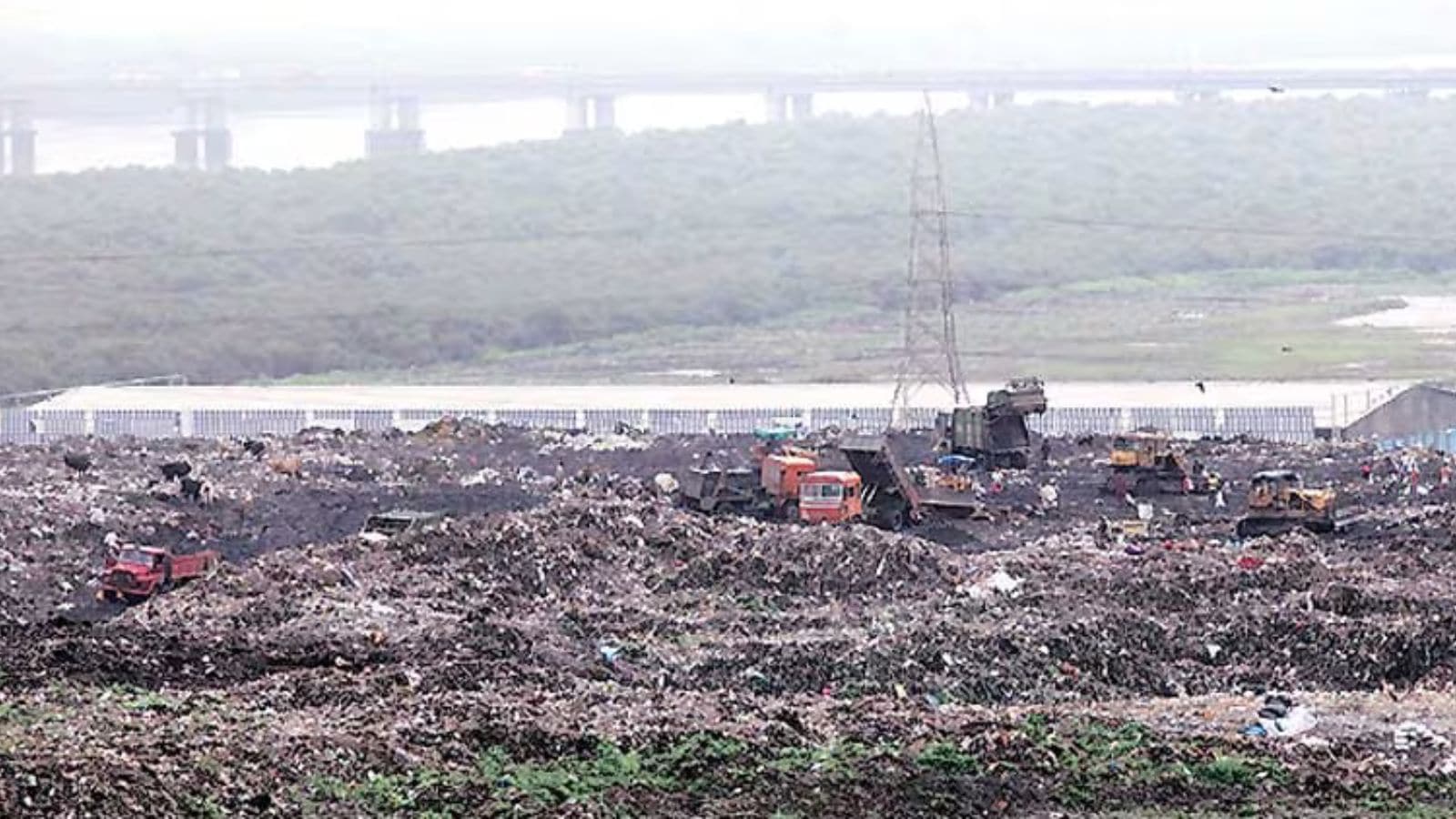

The bio-remediation efforts at the Mulund dumpsite in Mumbai have been halted for almost a month due to a fuel supply crisis linked to the ongoing conflict in West Asia.
Established in 1968, the Mulund dumpsite accumulated a staggering 7 million metric tons of legacy waste before its closure, with waste mounds reaching heights of up to 30 meters.
As reported by local authorities, approximately 6.5 million metric tons of waste have been successfully removed, leaving a significant amount still on-site.
Civic officials noted that contractors have communicated their concerns regarding the diesel shortage impacting waste removal operations. “The bio-remediation process necessitates the use of heavy vehicles to transport the extracted solid waste. Consequently, the diesel scarcity has hindered our progress, and contractors have requested an extension for the completion of the project. However, we have not approved any extensions at this time and aim to finish the work by the end of this month,” stated one official.
The clearing of waste from this area commenced in 2018, following a court ruling mandating the cessation of solid waste dumping at the site.
Deadlines for project completion have been revised on several occasions, with the latest target initially set for February and subsequently extended to April. Officials indicated that the Brihanmumbai Municipal Corporation (BMC) has been processing an average of 10,000 metric tons of waste daily.
Due to the disruption in fuel supply, only 10 to 12 trucks, each with a capacity of 20 to 25 metric tons, are currently operational each day.
The BMC launched the waste removal initiative with a budget of ₹558.6 crore (approximately ₹798 per ton of waste) and established a five-year timeline to rehabilitate the 60-acre site.