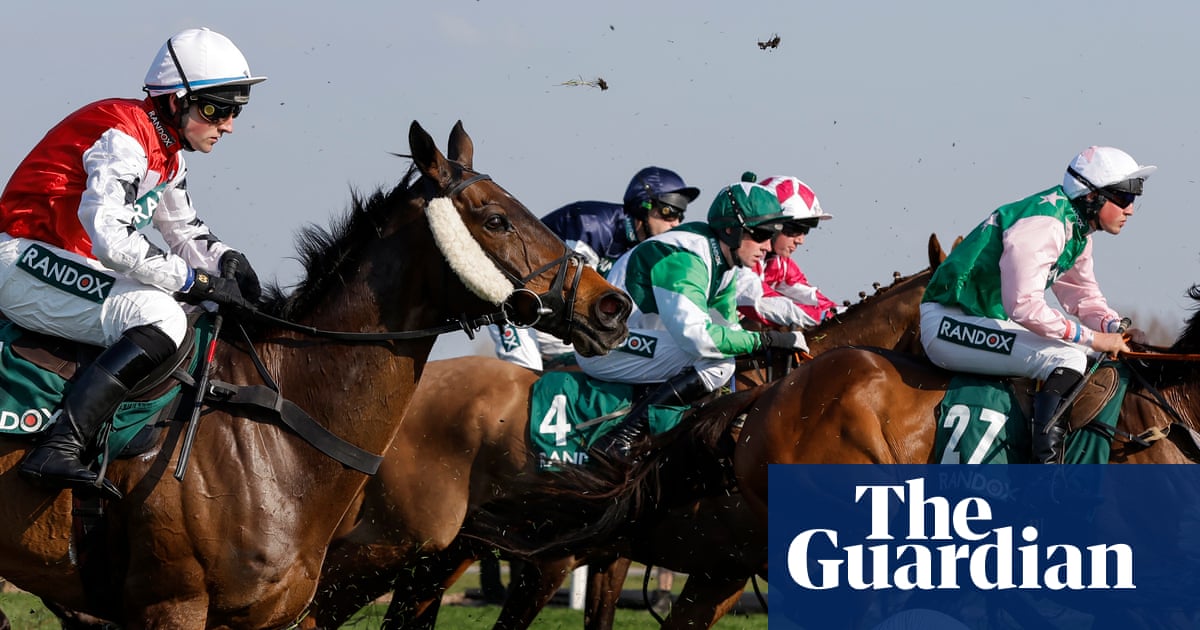

Horse welfare remains a prominent topic in the lead-up to the Grand National, which can be seen as a positive aspect for the sport. This ongoing concern highlights the Grand National’s enduring significance as the premier horse racing event of the year, characterized by its vast audience, substantial betting activity, and widespread recognition. Nearly 200 years after its inaugural race in 1839, the Grand National continues to be deeply entrenched in British tradition, marking it as an annual celebration of springtime sports.
Within the realm of horse racing, few topics ignite passionate discussions as much as the Grand National. For many enthusiasts, this race was the initial spark that ignited their interest in the sport. Recent modifications to the course’s fences and other elements, aimed at reducing the likelihood of severe injuries or fatalities, have left some long-time fans feeling that the race has lost its original essence.
Conversely, there is a perspective—one that I largely subscribe to—that the British Horseracing Authority and Aintree have effectively navigated essential changes while preserving the spectacle of the event. Although animal rights organizations often utilize the Grand National in their campaigns against horse racing and animal use in general, evidence suggests that public interest remains robust, as indicated by television viewership and betting statistics in an increasingly fragmented media environment.
While experts may debate the conclusiveness of data from the past decade, there is a noticeable trend of decreasing incidents of falls in the Grand National. Between 2014 and 2025, the number of fallers was recorded as follows: 8-8-4-4-6-4-5-4-4-0-3. The figures from 2024 and 2025, which featured easier jumps and a maximum of 34 runners, represent the lowest and third-lowest totals this century.
In the previous year’s race, none of the three falls resulted in fatal injuries, although Broadway Boy, who fell while leading, was forced to retire. Tragically, Celebre D’Allen collapsed after clearing the final jump and died two days later due to a respiratory infection.
Michael Nolan, the jockey who rode Celebre D’Allen, received a 10-day suspension from Aintree officials for continuing to race despite the horse showing signs of distress. A postmortem revealed that while an “exercise-associated episode” did not directly cause the horse’s death, overexertion had severely weakened its immune system, leaving it vulnerable to a subsequent bacterial infection.
Nolan, who faced severe backlash on social media following the incident and subsequently deleted his accounts, expressed to the Racing Post his profound regret over the situation, stating, “I was more upset than anybody that something has happened.” He recalled the drastic shift from feeling confident in his chances to urgently trying to assist his fallen horse. This incident underscores the inherent risks associated with racing, particularly at the Grand National, where the stakes and repercussions are magnified.
As National Hunt racing approaches Aintree, it follows a Cheltenham Festival that saw four horse fatalities: two due to falls in hurdle races, one while galloping between jumps, and Envoi Allen, a veteran champion, who collapsed after the Gold Cup.
The number of fatalities at Cheltenham equaled the total of the previous three festivals combined, prompting the Royal Society for the Prevention of Cruelty to Animals (RSPCA) to issue a statement emphasizing the urgency of addressing these incidents. Their message highlighted that “one death is too many,” and called for an investigation into the causes of these losses, the decision-making during events, and future preventative measures, noting that these tragedies contradict the UK’s reputation as a nation that cares for animals.
The racing authorities have been actively learning from previous experiences, which is reflected in the steady decline of fatal injuries over the last two decades at Aintree, Cheltenham, and within jump racing overall.
The RSPCA, facing its own challenges and public relations hurdles, competes for attention against more vocal animal rights organizations. However, its latest comments contribute to the annual wave of apprehension as the racing world prepares for the Grand National, the event that remains unmatched in prominence.
Callum Pritchard, a rising star in jump racing, has had a significant season but saw his chance for the conditional jockeys’ title cut short when he received a 12-day ban for an error made during a novice chase at Plumpton, where he appeared to ease off his horse prematurely.
This kind of blunder is relatable to anyone who has experienced moments of oversight, particularly in the learning stages of their careers. Nonetheless, racing regulations often impose penalties not just as punishment but as a deterrent, emphasizing the need for accountability in the sport.