
The landscape of modern relationships has introduced a variety of terms to articulate different behaviors associated with dating. Recently, the term ‘ghostlighting’ has emerged, capturing attention as individuals strive to comprehend complex or emotionally challenging experiences in their relationships.
To grasp this new phenomenon, it’s essential to first look at ghosting, a term that has gained significant recognition. Ghosting occurs when someone abruptly terminates a relationship by severing all lines of communication. This sudden silence can leave the other party feeling bewildered, hurt, and seeking closure. While ghosting is predominantly linked to romantic encounters, it can also manifest in friendships and workplace dynamics.
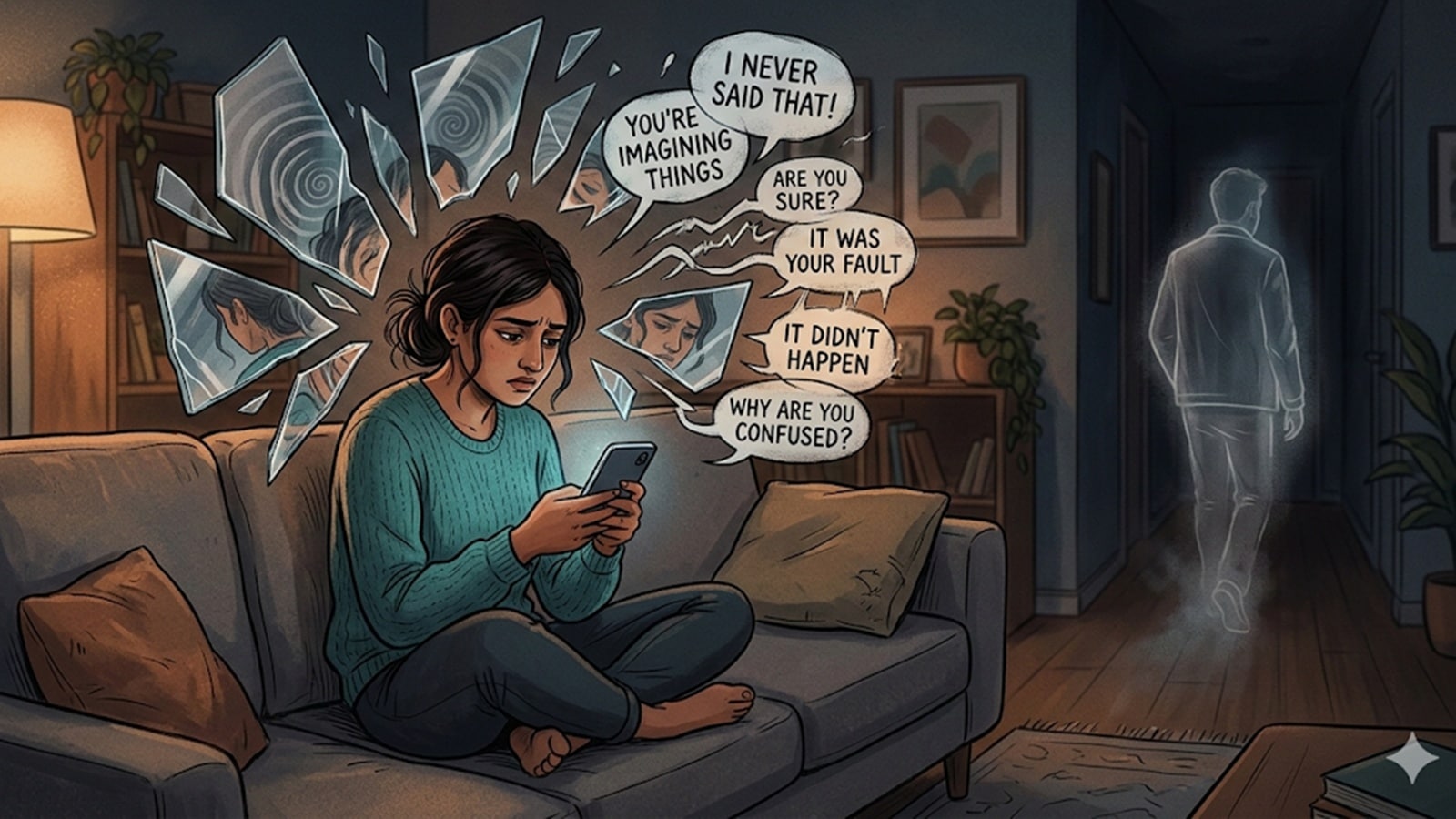
Ghostlighting, however, presents a more concerning scenario, as it merges ghosting with elements of psychological manipulation, commonly known as gaslighting. This behavior involves a partner leading their significant other to doubt their perceptions or actions before ultimately vanishing. Such manipulation often encompasses denying events, downplaying concerns, or shifting blame. The pivotal aspect of ghostlighting is the behavior exhibited by the individual prior to or following their disappearance, which can distort the situation and lead the other person to internalize blame for the relationship’s issues.
As conversations surrounding modern relationships develop, identifying behaviors like ghostlighting can assist individuals in recognizing unhealthy dynamics and establishing clearer boundaries in their lives.
Psychologist Rasshi Gurnani shared insights with indianexpress.com, stating, “Ghosting typically indicates avoidance and emotional immaturity in relationships. Psychologically, many individuals find confrontations challenging and fear being perceived as the ‘bad person’ for losing interest. Instead of engaging in honest communication, they choose to withdraw or vanish. Ghostlighting intensifies this behavior, as the individual not only distances themselves but also manipulates the narrative when confronted, often making the other person feel as though they are overreacting or imagining issues. This behavior is frequently associated with avoidant attachment styles, a lack of emotional accountability, and discomfort with difficult discussions.”
Gurnani further explains that in today’s dating climate, where interactions can seem transient, some individuals resort to these tactics to evade responsibility while retaining control over the situation. Unfortunately, this often results in the other person feeling disoriented, invalidated, and in search of a closure that was never adequately provided.
Initial indicators of ghostlighting may present as inconsistent communication and subtle emotional invalidation. Gurnani points out that an individual may initially express interest and connection but then begin to withdraw without any explanation. When questioned, they might dismiss the concerns or suggest that the other person’s reactions are exaggerated or unwarranted. This discrepancy creates confusion, as the behavior does not align with the explanations given. Another frequent pattern includes disappearing for extended periods and reappearing as if nothing occurred, while minimizing the significance of their absence.
From a psychological standpoint, Gurnani notes that such behaviors gradually erode the other person’s confidence in their own perceptions. If someone consistently feels perplexed about the dynamics of the relationship or begins to doubt the validity of their feelings, this could indicate the onset of manipulative communication patterns like ghostlighting.
To safeguard one’s emotional health in these circumstances, it is crucial to trust one’s own perceptions of the relationship. Ghostlighting functions by instilling doubt about one’s experiences, so prioritizing self-validation is essential. If communication patterns lead to ongoing confusion or distress, it is beneficial to establish clear boundaries centered on respect, transparency, and consistency.
“Focusing on actions rather than promises can shed light on the true nature of the relationship. Consulting with trusted friends or a mental health professional can also help regain perspective and alleviate self-doubt. If the behavior persists, it may be necessary to distance oneself from the situation to maintain emotional stability. Healthy relationships are grounded in reliability, mutual respect, and open communication. Therefore, when these key elements are consistently absent, prioritizing one’s psychological safety is a vital step towards achieving emotional resilience,” Gurnani concludes.