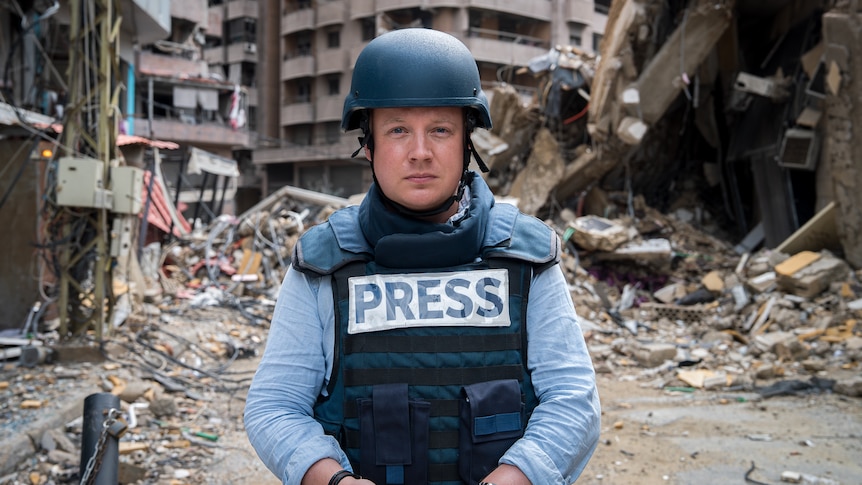

By Middle East correspondent Matthew Doran from Jerusalem.
As we approach the 38th day of ongoing conflict, the situation remains dire, with no resolution in sight despite some initial optimism.
Recent reports indicate that Iranian state media has announced the government’s rejection of a new ceasefire proposal put forth by the United States and Israel. The primary issue with the proposal is that it suggests only a temporary halt to fighting, rather than a comprehensive end to hostilities, while discussions on more complex issues would continue.
Officials noted that Iran’s counter-offer was a considerable advancement but still fell short of expectations. The frustration over the lack of an agreement was palpable, especially as Iranian leaders had previously emphasized their desire for an exit strategy from the conflict. In a stern warning, a high-ranking U.S. official threatened to target critical infrastructure, including power plants and bridges, if the Strait of Hormuz remained closed by Tuesday evening.
Additionally, an airstrike targeted Iran’s largest petrochemical facility, which officials claim will severely impair the nation’s economic production capabilities. In retaliation, Iran intensified its missile attacks on Israel, with a barrage launched toward the northern city of Haifa. Tragically, four members of a single family lost their lives when one of these missiles struck their residence, contributing to the rising toll of 23 fatalities and nearly 2,000 injuries reported in Israel. Meanwhile, Iran’s death toll has exceeded 2,000.
On another front of the conflict, violence escalated with reports of at least 10 individuals killed within a 24-hour period. An anti-Hezbollah political faction announced the death of one of its members and his spouse due to an Israeli strike on a Christian community.
The gravity of the regional war, which has claimed countless lives and incurred billions in costs while disrupting global economies and transportation networks, was underscored by a recent appearance of the U.S. president. Standing next to a large Easter Bunny on the White House balcony, he condemned Iran for dismissing the ceasefire proposal.
“They’ve made a significant proposal, but it’s not sufficient,” he stated. “They may resist, but ultimately, they will have to concede.”
Earlier, Iranian foreign ministry spokesperson Esmaeil Baghaei held a press briefing outlining Tehran’s conditions for any potential agreement. Central to Iran’s stance is the need for a definitive end to the war—merely pausing hostilities is unacceptable.
Baghaei also asserted that Iran would not be intimidated by threats from the U.S. regarding attacks on energy infrastructure, emphasizing that negotiations should not involve ultimatums or threats of war crimes.
The U.S. president’s recent demand for Iran to “open the f****** Strait” has evidently not resonated well.
The discussions surrounding a potential truce primarily focus on the U.S. and Iran, but it is essential to recognize the involvement of Israel. Although Israel may not possess the same military might, it plays a crucial role in influencing the dynamics of this conflict.
In an effort to assert its presence, Prime Minister Benjamin Netanyahu’s office released a video highlighting Israel’s contribution to the situation, portraying himself as a key ally of the U.S. president.
In Australia, concerns about economic stagnation have been raised, with two prominent economists attributing the crisis to the ongoing oil situation. This leads to questions about what lessons the treasurer might draw from historical precedents.
For continuous updates on the events in Iran and globally, please stay connected. Thank you for following this coverage; I will provide further updates tomorrow.