
Recent assessments indicate that Cyclone Narelle has severely impacted the Ningaloo Reef, disrupting its first coral spawning event since a significant marine heatwave last year. The cyclone’s powerful swells have also potentially caused destruction to various sections of this World Heritage site.
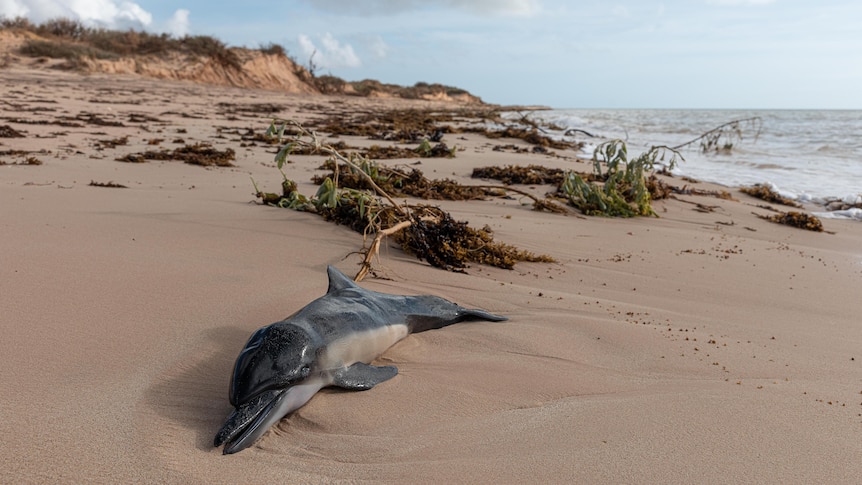
While the full extent of the damage remains unclear, the local community is maintaining an optimistic outlook. The aftermath of the cyclone has left a shocking number of marine life carcasses on the shores, yet it is the underwater consequences that have scientists particularly concerned.
The category-four cyclone struck the Ningaloo Reef during a critical time, coinciding with the reef’s initial coral spawning event since it experienced unprecedented marine heat conditions. Experts warn that the long-term impacts might be detrimental to the future health of this vital ecosystem.
Reports indicate that Cyclone Narelle caused significant destruction along the rugged coastline of North West Cape, with authorities documenting the loss of up to 200 shorebirds on various beaches and at least 30 dead marine mammals. The storm brought extreme winds and an entire year’s worth of rainfall to Exmouth in just one day, leading to extensive damage to homes and businesses.
Exmouth, located approximately 1,200 kilometers north of Perth, serves as the primary access point to the Ningaloo Reef, known for its pristine waters and diverse marine life. Currently, the town is closed to visitors as it assesses the damage to both the reef and its surrounding areas, which are crucial to the region’s tourism.
Data from the Bureau of Meteorology suggests that months of elevated water temperatures off Queensland contributed to the cyclone’s intensity. Marji Puotinen, an ecological data scientist from the Australian Institute of Marine Science, noted that despite making landfall multiple times, Narelle quickly regained strength due to the warm ocean conditions.
Narelle marks a notable occurrence, being the first cyclone in over two decades to strike land at severe category levels on three separate occasions. Dr. Puotinen expressed concern that the cyclone’s effects on the reef may have been worsened by its already vulnerable condition, stating that coral weakened by previous bleaching events can lead to increased damage.
As the cyclone coincided with one of the largest research efforts on the Ningaloo Reef, a collaborative team from the Minderoo Foundation, Curtin University, and the Taronga Conservation Society was studying the annual coral spawning process. During this event, numerous coral species release their eggs and sperm, which eventually settle on the seabed to grow.
Kate Quigley, a senior research scientist with the Minderoo Foundation, remarked that this year’s spawning had occurred at unexpected intervals, indicating stress within the coral. Unfortunately, many of the newly formed coral larvae likely perished due to the cyclone’s impact.
Dr. Quigley emphasized that the timing of the cyclone could significantly hinder recovery efforts for the reef, calling it a “double whammy” situation. Her team had been utilizing innovative cryopreservation methods to freeze coral spawn for potential future restoration initiatives.
As local residents in Exmouth continue to face fuel shortages, few have been able to venture out to assess the reef themselves. However, a local tour company organized free boat trips for families, providing a much-needed distraction from recent challenges, as many still lack power at home.
Skipper Kimberley Rowe noted that despite the cyclone, the reef appeared to be recovering well. “It looks really good… there are plenty of fish and turtles,” she stated, highlighting the resilience of the ecosystem.
While underwater visibility is gradually improving, snorkelers at the Tantabiddi Sanctuary Zone are witnessing schools of parrot fish without noticeable signs of damage. With another coral spawning event expected soon, Rowe is hopeful that the reef will have the opportunity to heal.
As children aboard her boat gaze through the glass bottom, Rowe expressed that the community remains hopeful despite the recent turmoil. “It’s difficult to watch our home face so much in such a brief period,” she reflected. “People often protect what they cherish… hopefully, these kids will grow to love it and feel compelled to protect it as we do.”