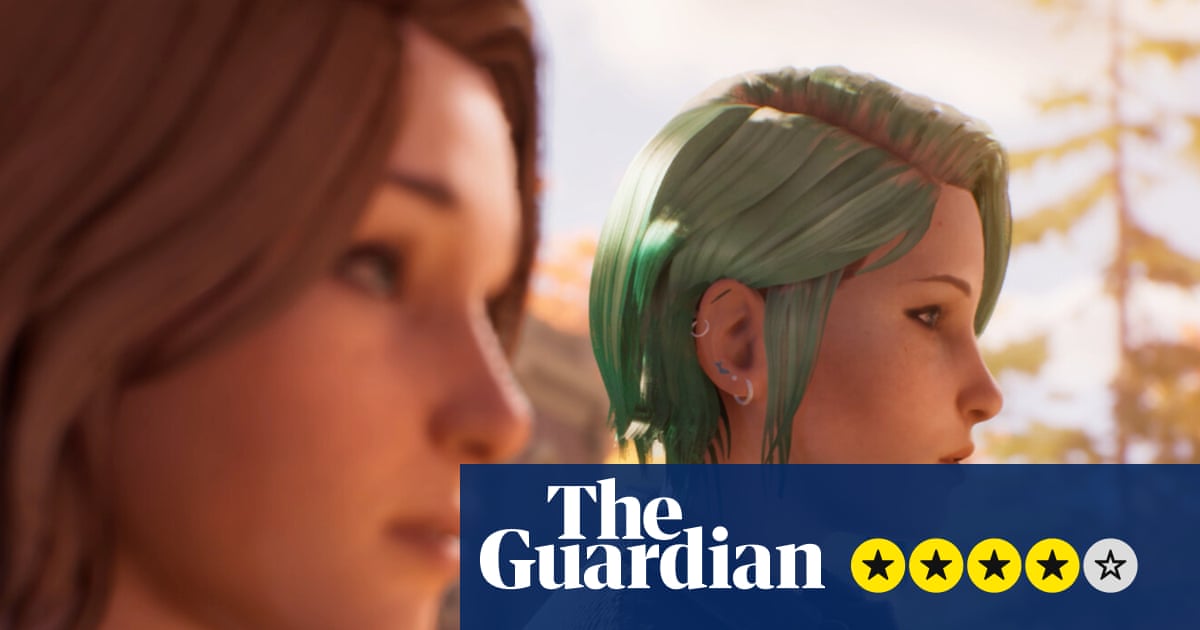

In 2015, “Life Is Strange” garnered attention for two significant reasons: its female leads, which were notably uncommon at the time, and its distinctive portrayal of millennial culture. Although the French creators in their thirties might not have fully captured the contemporary teen vernacular, they understood the essence of coming-of-age narratives, particularly the significance of character relationships. The bond between Max Caulfield, a reserved aspiring photographer with the ability to manipulate time, and Chloe Price, a troubled punk rebel, formed the emotional core of the game. Now, over a decade later, fans witness their reunion as adults in this concluding chapter of their journey.
For many players, the connection between Max and Chloe transcended that of mere friends. The original developers hesitated to explicitly label their relationship as romantic back in 2015, but the newer team at Deck Nine retroactively introduced this dynamic in “Life Is Strange: Double Exposure,” released in 2024. Players still have the option to perceive their relationship as platonic, leading to some ambiguous moments throughout the game. Regardless of interpretation, the narrative explores themes of first love and the lasting impact it leaves, even when the person is no longer present. The emotional weight of this story certainly resonated deeply with me.
Max now faces another crisis at her new position as a photography professor at Caledon University, a liberal arts institution in Vermont. She is confronted with two impending disasters: a destructive fire that threatens to ravage the campus and endanger her friends, and a new president who is intent on prioritizing STEM fields over the arts. After witnessing the fire, Max utilizes her time-travel abilities to return to the past in an effort to thwart the catastrophe, gathering information from students and faculty to uncover the future arsonist. It is during this investigation that Chloe reappears in her life.
Depending on the choices made at the conclusion of the original “Life Is Strange” in 2014, Chloe’s fate could either be death or estrangement from Max. Regardless of the outcome, her sudden return is unexpected. The game quickly transitions from a typical detective narrative to a rekindling of a love story between two individuals who have always shared a profound connection.
Max and Chloe’s journey has consistently revolved around the lengths one would go to protect loved ones and the inevitability of experiencing loss. Even those with the power to manipulate time cannot shield themselves from heartache. However, “Reunion” somewhat undermines this theme by granting Max a chance to rectify her past mistakes, offering her a second opportunity with both Chloe and Safi, the best friend central to the plot of “Double Exposure.” The peril posed by the fire felt somewhat diminished, as it was possible to navigate the story poorly by rushing or making incorrect choices. Yet, the investigative elements remained relatively straightforward, and Max’s time-manipulating abilities were not extensively challenged.
During one of her passionate speeches, Max remarks, “We are a kaleidoscope of all of the choices we make and all the people we could be.” “Life Is Strange” has evolved in various ways over the years, both positively and negatively, but “Reunion” focuses on the strengths of the franchise. The game features the most relatable and engaging characters, such as Amanda, the witty bartender, and Moses, the kind-hearted nerd, while less compelling figures from “Double Exposure” have been minimized or omitted. Rather than burdening Max with new powers, the game allows her to rewind time, replaying dialogues to influence others or gather insights. The storyline is straightforward yet coherent, with Chloe at its center—now more mature but still retaining her intelligence, unpredictability, and charm. I share Max’s joy at reuniting with her.
If “Life Is Strange” were adapted into a Netflix series, I might have lost interest after a few episodes. However, as a game that I have engaged with for over a decade, I have developed a genuine attachment to these characters. I also appreciate that some elements of the original’s millennial awkwardness persist, such as a Foals song featured during the credits. “Life Is Strange” has often embraced its sentimentality, yet it has consistently remained sincere, focusing on friendship and emotional connections. Max and Chloe deserved this opportunity to conclude their narrative—and so did the audience.
“Life Is Strange: Reunion” is now available.