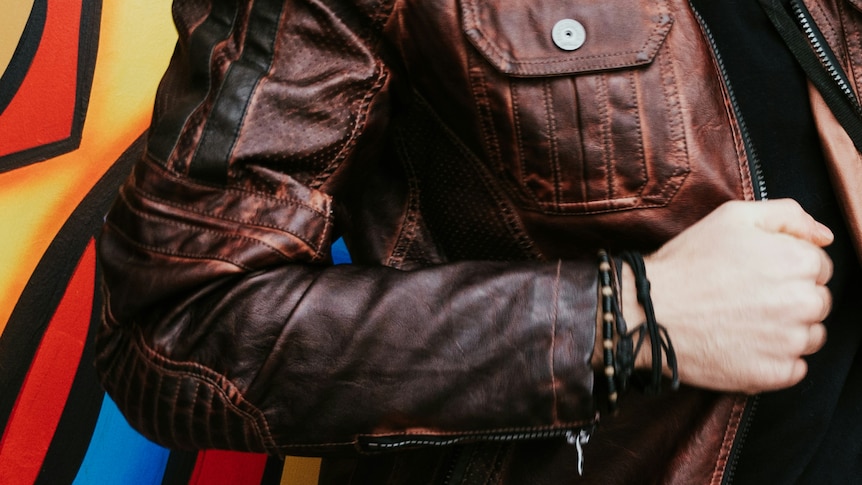

In upscale fashion boutiques and luxury automobile showrooms, the phrase “vegan leather” conveys a strong perception of quality. For many consumers, it offers the aesthetic and tactile experience of traditional leather without the use of animal hides. As companies increasingly shift away from animal-derived materials, “vegan” has begun to symbolize a more compassionate approach toward both animals and the environment.
Nevertheless, the reality surrounding these materials is far more nuanced. While they eliminate animal products, they frequently substitute one environmental issue for another. Vegan leather is not a single entity; rather, it encompasses a diverse range of materials, from plastic films to plant-based composites, prompting regulators to scrutinize its implications.
The allure of alternatives to leather is easily grasped. Growing concerns regarding animal welfare, climate change, and deforestation have motivated consumers and brands to gravitate toward options perceived as more responsible. Consequently, “vegan leather” is often regarded as a superior choice, even though the longevity and disposal of these products are seldom examined.
Historically, these materials were referred to as “pleather” or vinyl. Today, advancements in production techniques have transformed thin plastic layers into convincing imitations of leather. Most vegan leathers are made from polyurethane (PU) or polyvinyl chloride (PVC) coatings adhered to fabric substrates, making them waterproof and easy to emboss. However, these materials are derived from petroleum-based plastics.
When a PU-coated bag begins to crack or peel, the repercussions extend beyond mere aesthetics. The deterioration of the surface allows for the release of microplastics into the environment.
In response to plastic pollution concerns, innovative synthetic leathers have emerged from natural sources such as pineapples, mushrooms, apples, grapes, and even cacti. These bio-based alternatives are frequently marketed as sustainable solutions. However, the mere fact that a product contains plant components does not inherently make it environmentally friendly.
The environmental impact is influenced by the manufacturing processes. For instance, while “pineapple leather” footwear may receive accolades for its plant-based origins, the fibers are typically bonded with plastics to enhance durability, leading to a composite material that may not be as environmentally sound as advertised.
One significant challenge with numerous vegan leather alternatives is their durability. Natural plant fibers often lack the strength needed to endure the rigors of daily use in items like shoes, bags, and automotive interiors. To enhance their performance, manufacturers often combine plant materials with plastic binders or polyester backings.
Many of these products degrade faster than traditional leather and are not amenable to repairs. Unlike conventional leather, which can be conditioned and mended over time, plant-based alternatives usually fail once their top coatings begin to crack or peel. Additionally, bags made from mushroom or apple materials cannot be composted due to their plastic components, resulting in premature disposal. Some plant-derived vegan leather items have been reported to last as little as two years.
This raises broader concerns within a framework that prioritizes reuse, repair, and material recovery. Sustainability should focus on prolonging the use and maintaining the value of products for as long as feasible.
Brands are increasingly being held accountable for their claims. The Australian Competition and Consumer Commission (ACCC) has emphasized that vague terms like “sustainable” or “eco-friendly” must be substantiated with concrete evidence. If companies label a product as “vegan” to imply a lower environmental footprint, they must demonstrate this assertion by evaluating the entire lifecycle of the product.
Moreover, the Productivity Commission’s upcoming inquiry into circular economy practices highlights Australia’s escalating issue with non-recyclable products. As recycling initiatives expand, the durability, recyclability, and end-of-life treatment of products will become as crucial as considerations of animal welfare.
It is important to note that animal leather is not free from environmental or chemical repercussions, which include methane emissions from livestock and harmful substances used in the tanning process. For many consumers, choosing to avoid animal-based materials remains a significant ethical decision.
However, “vegan” and “sustainable” are not synonymous. One term indicates what has been omitted from a product, while the other describes the product’s performance throughout its lifecycle. Equating the two can lead to superficial progress disguised by comforting labels.
The key takeaway is the necessity for transparency in materials. Sustainability cannot be distilled into a single word or ingredient; it is determined by how long a product remains functional before it must be discarded. A bag that replaces animal materials but deteriorates within a few years contributes to waste more quickly.
For vegan alternatives to truly embody sustainability, they must be engineered for durability. The measure of sustainability lies in years of utility, not just catchy labels.
Caroline Swee Lin Tan serves as an associate professor in fashion entrepreneurship at RMIT University, while Saniyat Islam holds a position as an associate professor in fashion and textiles at the same institution.