
In Portugal, two well-known proverbs state that “green symbolizes hope” and “hope is the last thing to perish.” For Sporting, a club adorned in green, these phrases are more than just expressions; they embody the spirit of the organization.
Following a disheartening 3-0 loss to Bodø/Glimt in Norway during the first leg of their Champions League round of 16 match, it seemed that Sporting’s chances were extinguished. However, the team, fueled by approximately 50,000 passionate fans, defied expectations and secured a stunning 5-0 victory, propelling them to their first quarter-final appearance in the tournament in 43 years. Their next challenge lies ahead against Arsenal, reviving the age-old debate: is hope merely a relic of the past or Sporting’s greatest asset?
Ricardo Sá Pinto, a former coach and player who is a revered figure at Sporting, remarked that the team’s recent victory over Arsenal in the Europa League last-16 shootout in 2023 reinforces their belief in the possibility of success. “In football, anything can unfold, even when teams appear mismatched on paper,” he stated.
Hope also flourishes at Sporting due to their successful transition following the departure of Viktor Gyökeres, who is set to face his former club in Lisbon during the first leg on Tuesday. When Gyökeres transferred to Arsenal last summer, many doubted that a suitable replacement could be found. During his two seasons with Sporting, he netted 97 goals and helped the team clinch consecutive league titles. Despite these impressive statistics, his absence is hardly felt.
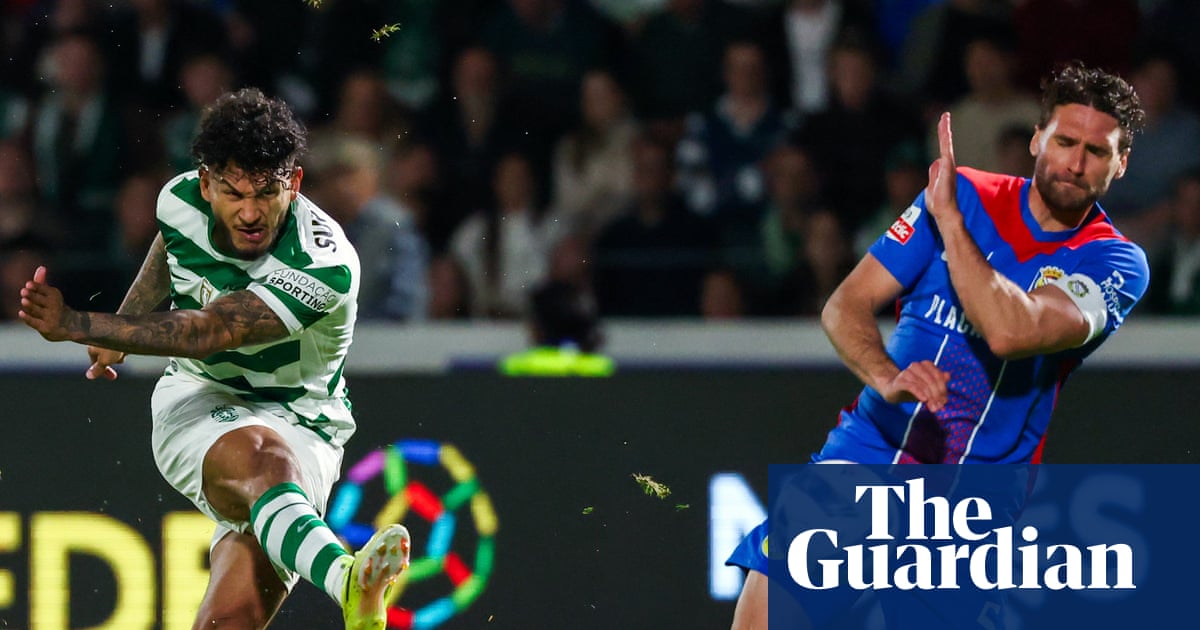
This sentiment is partly attributed to the animosity he left behind after his controversial exit, which many Sporting fans viewed as a betrayal. More significantly, the club acquired Luis Suárez, the Colombian international who has been a crucial player this season, frequently scoring vital goals in the dying moments of matches. Prior to his move to Portugal, Suárez had established himself in Spain’s second division, netting 31 goals during the 2024-25 season with Almería.
“Luis has displayed a knack for scoring crucial goals, even when hope seems lost,” Sá Pinto commented. “Replacing Gyökeres is no easy feat, especially as South American players often struggle to make an immediate impact in Portugal. Fortunately, with the confidence of the manager and his teammates, he has proven to be indispensable.”
Whereas Gyökeres was known for his physical prowess, overpowering defenders and exploiting space, Suárez brings a different style to the game. He is more involved in the buildup, orchestrating movements in the attacking zone and showcasing superior technical skills, even if he is slightly less clinical in front of goal. With 33 goals in 42 appearances, the 28-year-old has quickly become a fan favorite, leading the league in scoring.
Sá Pinto previously managed Sporting in 2012 during their last significant European campaign, which culminated in a semi-final appearance in the Europa League. The team triumphed over Manchester City in the round of 16 but fell short of reaching the final after conceding a late goal to Athletic Bilbao. Sporting’s last appearance at this stage of the European Cup dates back to 1983, and they have yet to progress further. This time, they have a chance to create history.
Sporting is currently the most prolific attacking team in Portugal, yet their offensive performance has been overshadowed by Porto’s strong defensive record. The club sits in second place, five points behind Porto but with a game in hand. Porto’s recent slip against Famalicão has rekindled Sporting’s aspirations for a third consecutive league title.
After Ruben Amorim’s unexpected departure to Manchester United and the brief promotion of youth coach João Pereira, the current manager, Rui Borges, took charge and has managed to keep the core of the team intact despite losing his top striker.
Under Borges’ leadership, Sporting primarily employs a 4-2-3-1 formation, a departure from Amorim’s typical 3-4-3 setup. Borges emphasizes midfield control and possession in his tactical approach.
In league matches against smaller clubs, Sporting often builds their attacks through patient ball movement. However, against a seasoned team like Arsenal, they are likely to face challenges maintaining that rhythm, as any loss of possession in critical areas could be exploited.
Morten Hjulmand, the Danish defensive midfielder and team captain, plays with high intensity and is pivotal in transitions. He frequently becomes a target during set pieces, both corners and free-kicks. Like Arsenal, Sporting boasts a strong record of scoring from set plays in their domestic league.
Pedro Gonçalves, renowned for his spectacular 50-yard goal at the Emirates Stadium in 2023, remains a key player for Sporting. He enjoys the freedom to roam, taking advantage of opponents’ weaknesses, especially in wide areas, while also dropping back to initiate offensive plays.
As Arsenal looks to control the pace of the match, the outcome will largely depend on how effectively Sporting manages the spaces they typically dominate in domestic competitions. Whether through late-game heroics from Suárez or Gonçalves’ ability to navigate between defensive lines, the question remains: will they possess enough creativity in the final third to disrupt the Premier League leaders?