
The Filter recently hosted its inaugural live reader Q&A session, allowing participants to pose their most pressing questions about coffee. Due to the overwhelming response, not all queries could be addressed during the live event. To tackle some of the more complex inquiries, I sought assistance from Ben Young at Craft House Coffee in Sussex, who brought his expertise from the roastery.
The Guardian maintains its editorial independence and may receive a commission if you make a purchase via an affiliate link. For further details, please read more.
Many participants expressed a desire to enhance their coffee-making skills without incurring significant expenses. A number of readers shared their fondness for the moka pot and asked for tips on its optimal use. Ben suggests, “Begin with boiling water and lower the temperature once the coffee starts to flow. As soon as you observe any bubbling or spurting, remove it from the heat and cool the base to halt the brewing process.”
A contentious topic among coffee enthusiasts is whether to compress the coffee puck when using a moka pot, which has reportedly caused friction in some relationships. Ben clarifies this debate: “Tamping results in a dense puck that restricts water flow. While espresso machines require additional resistance, tampering is unnecessary for moka pots.”
Some readers posed more intricate queries, including a request for a comprehensive overview of various coffee bean types, their flavor profiles, and how these characteristics change with different growing conditions, such as country and altitude. Ben’s concise response indicated that coffees grown at higher elevations tend to be more complex; washed coffees are often clean, bright, and acidic, while naturally processed varieties provide a heavier mouthfeel and greater sweetness. For those seeking a more detailed explanation, visiting Craft House Coffee in Sussex would be beneficial.
Other questions focused on the essential elements of brewing a perfect cup of black coffee, with an unexpected revelation that water quality could be a significant factor. Ben noted, “Water quality is often the most overlooked aspect. In brewing, it serves as both an ingredient and a solvent. If your water contains high mineral levels—like 60% of the UK—you may struggle to extract complex flavors. Since filter coffee is approximately 98% water and espresso is about 90%, it plays a crucial role. Achieving the correct coffee-to-water ratio with quality ingredients puts you well on your way to a great brew. We recommend a ratio of 1:15 to 1:18, depending on the coffee used. For instance, if you use 50g of coffee, you would need between 750g and 900g of water.”
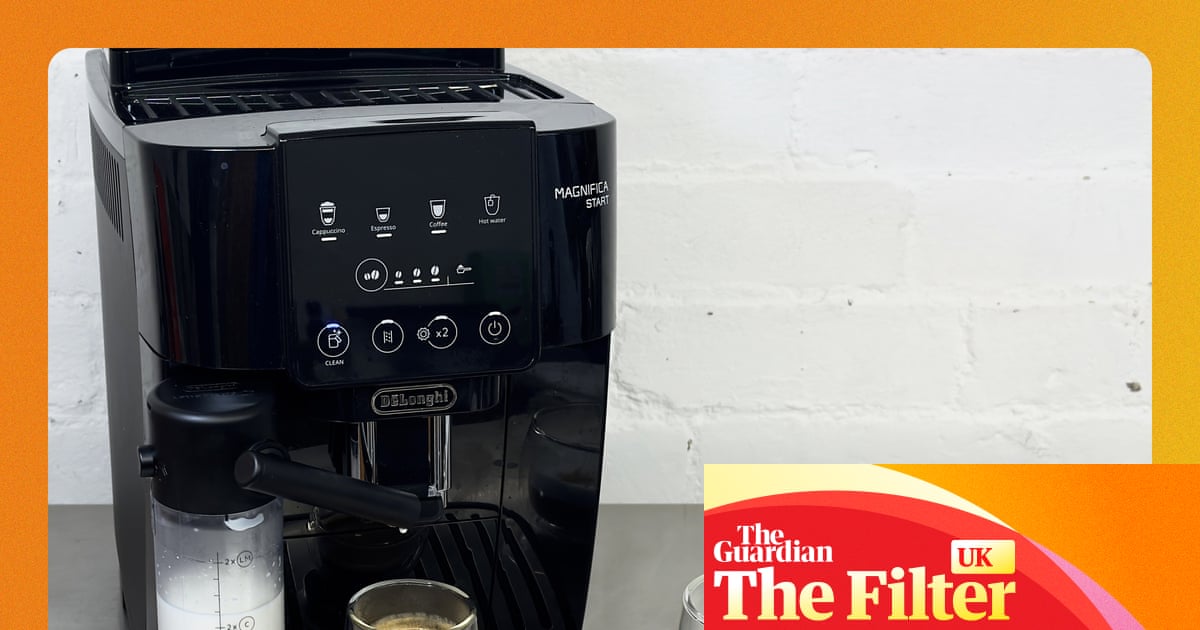
We also encountered some unexpected questions, such as what may have happened to Tony and Sharon from the Gold Blend advertisements, why a large flat white is not an option, and how a cup of tea compares to coffee. To investigate these queries, we have enlisted the Guardian’s top investigative journalists. Moreover, I have been testing twelve of the most convenient coffee machines available, specifically bean-to-cup models, and will share my insights in an upcoming guide.
As we prepare for future Q&A sessions, we welcome your suggestions on topics you would like experts to address. Please send your ideas to thefilter@theguardian.com.
In other news, Jess Cartner-Morley shares her April style essentials, including chic umbrellas, Biscoff eggs, and the ideal holiday dress.
For skincare enthusiasts, a guide on how to balance spending on moisturizers and serums reveals the secrets to an effective routine.
Additionally, we’ve tested the best bean-to-cup coffee machines in the UK to help you find the right one for your needs.
If you’re wondering how to style a quarter-zip jumper without veering into finance bro territory, we have curated a selection of the best options available.
Finally, we explore the best hot chocolates, rated for their richness and flavor.
There’s nothing quite like a Sunday roast. We consulted chefs about their favorite tools for creating the perfect roast, from a blini pan for flawless Yorkshire puddings to reliable meat probes and teapots that keep gravy warm for extended periods.
Monica Horridge, Deputy Editor, The Filter
Period underwear has transformed the monthly cycle for many, providing a more sustainable and convenient alternative to traditional single-use products. Zoë Phillimore has tested over 30 reusable options for The Filter to identify the best period pants in terms of comfort, fit, cost, and absorbency.
Have you once dreaded camping—whether at a festival, a family campsite, or while exploring off the beaten path—but eventually embraced its pleasures? If so, we would love to hear about the tips, tricks, or gear that changed your mind. Please share your experiences by emailing us at thefilter@theguardian.com.