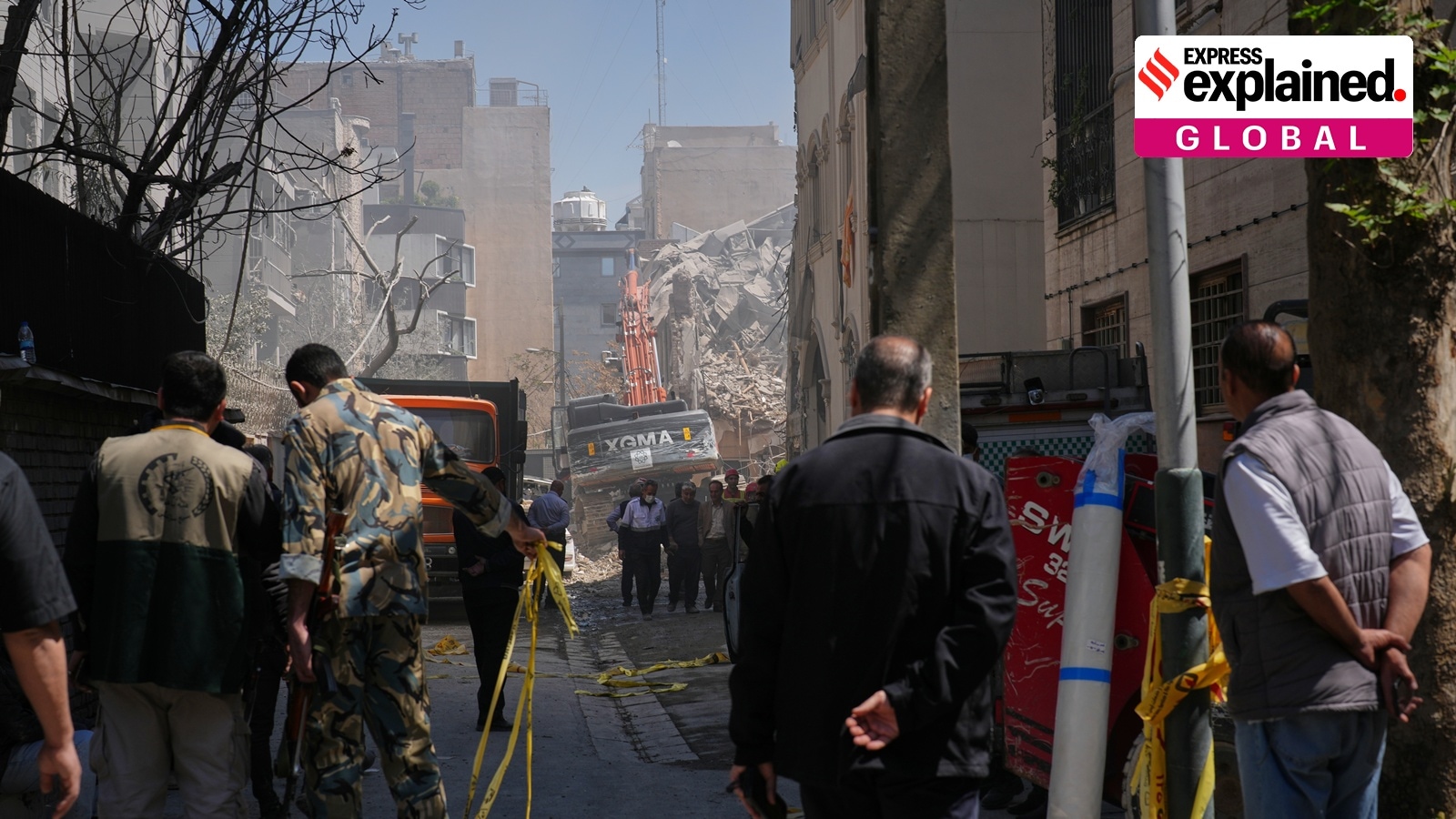

As the deadline set by U.S. President Donald Trump for “sending Iran back to the Stone Age” approaches at 5:30 AM on Wednesday, April 8, in India, the question remains whether any agreement or meaningful progress in negotiations can prompt Trump to reconsider his plans for military action against Iran’s infrastructure, which some critics label as potential war crimes.
The current status of ceasefire proposals from both parties and the ongoing discussions is being closely monitored, even as hostilities against Iran persist.
On Tuesday night, Trump expressed a grim outlook on Truthsocial, stating, “A whole civilization will die tonight, never to be brought back again. I don’t want that to happen, but it probably will. However, now that we have Complete and Total Regime Change, where different, smarter, and less radicalized minds prevail, maybe something revolutionarily wonderful can happen, WHO KNOWS? We will find out tonight, one of the most important moments in the long and complex history of the World. 47 years of extortion, corruption, and death, will finally end. God Bless the Great People of Iran!”
Pakistan has stepped up as a key mediator in the negotiations, collaborating with Egypt and Turkey to facilitate discussions. A proposal put forth by the U.S. government, communicated through Pakistani intermediaries, suggested an immediate 45-day ceasefire, followed by comprehensive peace talks to be concluded within 15 to 20 days. Should the negotiations require additional time, the ceasefire could be extended.
However, Iran has dismissed the idea of a temporary ceasefire, asserting that such a measure is inadequate. Tehran demands a permanent resolution to the conflict, coupled with assurances that hostilities will not resume. This fundamental difference regarding whether to pursue a temporary pause or establish a lasting settlement is currently hindering progress in the talks.
Iranian and Gulf news sources have reported that Tehran insists any cessation of hostilities must be authorized by the U.S. Congress or international organizations, citing a lack of trust in the Trump administration and the government of Israeli Prime Minister Benjamin Netanyahu.
In response to the U.S. proposal, Iran submitted its own 10-point counterproposal to the Pakistani mediators. This plan was reportedly under internal discussion for two weeks prior to its delivery. A U.S. official characterizing the response described it as “maximalist,” although the White House interpreted it as an invitation to negotiate rather than an outright rejection. Mediators confirmed that they are collaborating with Iran on revisions and rephrasing, as reported by Axios.
Iran’s counterproposal includes demands for assurances against future attacks, a permanent cessation of hostilities, an end to Israeli military actions in Lebanon, the lifting of all U.S. and international sanctions, and financial support for the reconstruction of infrastructure damaged by U.S.-Israeli strikes.
Regarding the strategically vital Strait of Hormuz, Iran has suggested reopening the waterway, but under its own conditions. Rather than seeking direct reparations, Iran proposes a fee of approximately $2 million per vessel passing through the strait, with revenue shared with Oman, located on the opposite side. Iran intends to use its share of this revenue to finance post-war reconstruction efforts.
The proposal also includes a joint Iranian-Omani administration of the strait, a point confirmed by a former Iranian diplomat cited by The New York Times.
Trump acknowledged that Iran’s response was “significant,” though he deemed it “not good enough.” He has indicated a reluctance to extend his deadline again, despite having done so previously.
The President’s negotiating team, including Vice President JD Vance, special envoy Steve Witkoff, and Jared Kushner, is reportedly open to pursuing a deal if feasible. However, sources indicate that Trump himself is the most aggressive proponent of military action within his administration, with one U.S. official describing him as “the most bloodthirsty.”
Israeli Prime Minister Benjamin Netanyahu has been actively persuading Trump against accepting a ceasefire unless Iran makes concessions that currently seem unattainable, such as the complete relinquishment of highly enriched uranium. Similar sentiments have been echoed by Saudi Arabia and the UAE.
Moreover, mediators have warned the White House that decision-making within Iran tends to be slow, exacerbated by communication challenges stemming from ongoing bombings and injuries to several high-ranking officials, including Supreme Leader Mojtaba Khamenei.