
The British Medical Association (BMA) faces criticism for what has been described as blatant hypocrisy, as it has proposed salary increases for its own employees that fall below inflation while concurrently advocating for a 26% pay raise for resident doctors.
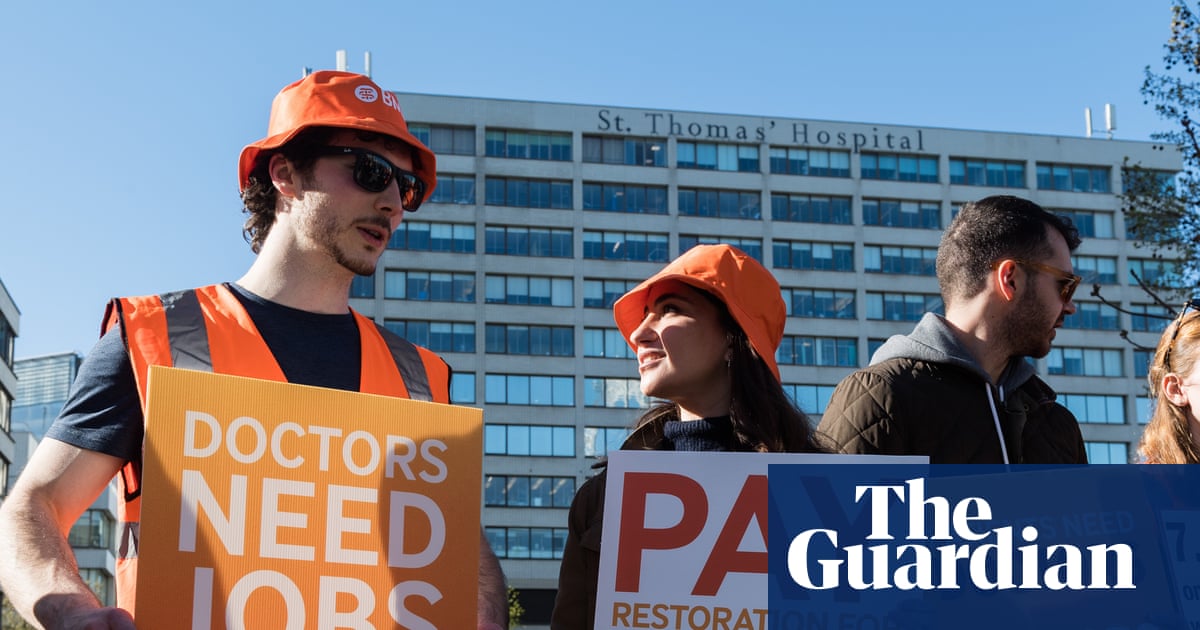
On Tuesday, tens of thousands of medical professionals took to the streets in England, marking the 15th instance of industrial action since March 2023 in pursuit of “full pay restoration.” Concurrently, BMA employees participated in their own strikes after the organization offered them a pay increase of just 2.75%, which does not keep pace with inflation.
The BMA declined an offer from Health Secretary Wes Streeting, which would have provided resident doctors with an average pay increase of 4.9% this year—nearly double what the BMA is proposing for its staff. The BMA has attributed its inability to offer more substantial pay raises for its own employees to budgetary constraints, while simultaneously advocating for a significant taxpayer-funded salary increase for resident doctors over multiple years.
Donna Thomas, a regional organizer with GMB, the union representing BMA staff, remarked, “The BMA is pushing for pay restoration for their doctor members but has neglected to restore the pay for their own staff, whose wages have been diminished by nearly 17%.”
Reports indicate that the BMA staff impacted by the pay offer include administrative personnel, policy analysts, communication specialists, IT professionals, and negotiators who have been aiding the resident doctors’ committee in their ongoing dispute with the government. BMA staff initiated a 48-hour strike on Monday.
Streeting stated that the proposal rejected by the BMA for doctors would have resulted in an average pay rise of 4.9% this year, with the lowest-paid doctors seeing increases of at least 6.2%, culminating in an overall pay hike of 35.2% compared to four years ago.
In response to the strikes on Tuesday, Streeting expressed disappointment, saying, “Resident doctors have received the most substantial pay increases among the public sector workforce from this government, and the deal they rejected was fair. Their immediate response was to initiate six days of strike action, which will impose a cost of £300 million on the NHS.”
He criticized the BMA’s stance, questioning how they could justify offering their staff a 2.75% increase citing affordability while dismissing a 4.9% increase from the government for resident doctors on similar grounds. “It seems the BMA is unwilling to provide more than a 2.75% increase for their own employees while readily asking the taxpayer for more, regardless of the taxpayer’s capacity to pay,” he added, calling it a significant contradiction.
Dr. Jack Fletcher, chair of the resident doctors’ committee, expressed regret over the strikes but emphasized a lack of choice in the matter. “We provided the government with multiple chances to avert this situation, and they opted not to act,” he noted. He highlighted the adverse conditions, including long waiting lists and GP appointment difficulties, saying the government should not use doctors’ employment as leverage in political negotiations.
As resident doctors struck, their NHS colleagues were brought in to cover essential services, although this resulted in the cancellation of certain treatments and appointments.
Recent polling by YouGov indicated that 53% of the public disapproved of the strikes by resident doctors, while 38% expressed support for the action. On a picket line at Bristol Royal Infirmary, one medical professional shared that he believed public sentiment was largely in favor of the resident doctors, although some expressed frustration over the length of the strikes.
Dr. Sam Taylor-Smith extended apologies to patients affected by canceled appointments, reiterating that he felt the need to apologize daily due to persistent staffing shortages. “I see some positive movement from this government, but we are not quite there yet. Unfortunately, there has often been more showmanship than genuine dialogue,” he remarked.
The strike in England is scheduled to continue until 7 AM on Monday. Health authorities are encouraging patients not to hesitate in seeking necessary care during this period.