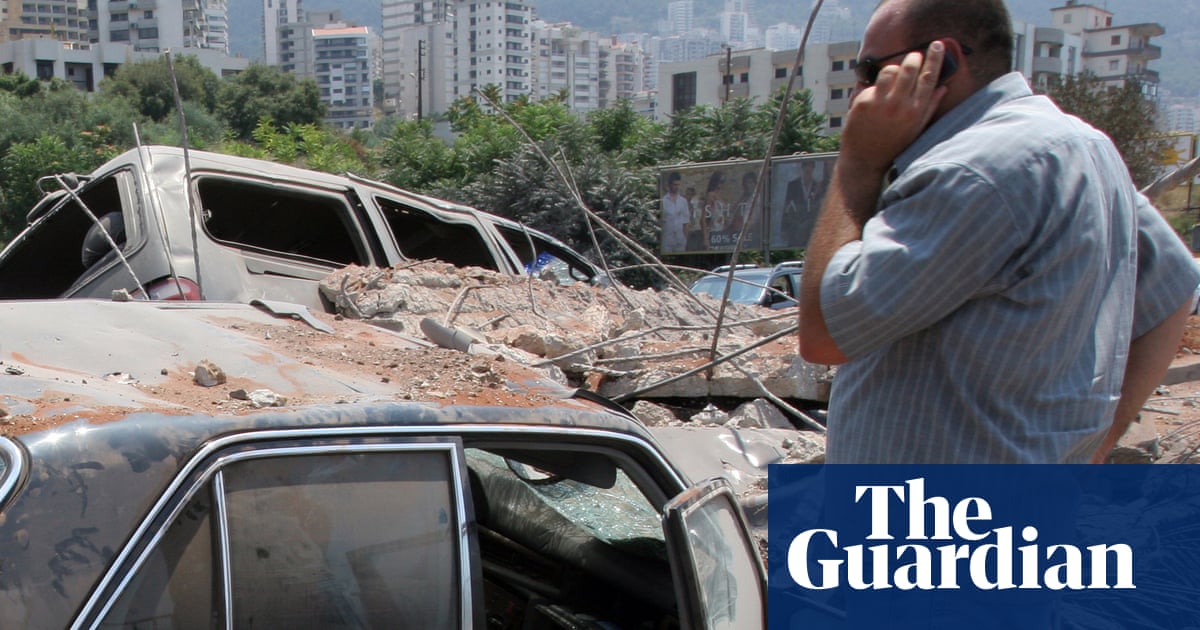

In 2006, during the conflict between Israel and Hezbollah in Lebanon, Israeli aircraft targeted the Jiyeh power facility located north of Sidon. The resulting fire was visible from great distances, producing a massive plume of black smoke that reached high into the sky. The intense heat transformed nearby sand into glass.
The attack led to significant environmental damage, as the compromised storage tanks of the power plant spilled an estimated 15,000 tons of oil into the eastern Mediterranean, marking the largest oil spill in that region.
Additionally, Israel targeted key infrastructure by bombing motorway bridges, causing widespread destruction to the roadways. The immediate outcome of the conflict was a ceasefire agreement, albeit one that many considered to be hastily arranged and overly optimistic. Israel proclaimed a victory, while Hezbollah managed to survive, quickly rearming themselves for future confrontations.
As the deadline approaches regarding former President Donald Trump’s ominous threat to conduct strikes against Iran, the conversation shifts to the ethical and legal implications of such actions, as well as their effectiveness.
On Easter Sunday, Trump issued a fiery warning via social media, stating that Iran would face a day of devastating attacks on power plants and bridges, ominously claiming that they would be “living in Hell” unless the Strait of Hormuz was reopened.
On the following day, Trump intensified his rhetoric, warning that “a whole civilization will die tonight, never to be brought back again.” He expressed a desire to avoid such a fate, yet suggested it was likely to occur, as posted on Truth Social.
Even if Trump were to postpone his deadline once more, recent experiences do not indicate that targeting infrastructure—actions often considered war crimes—will compel Iran to change its course.
A more recent parallel can be drawn with Ukraine, which has endured sustained bombardment from Russia over the past four years due to Moscow’s illegal aggression. This onslaught culminated in significant power outages during a harsh winter, yet did not lead to any concessions from Ukraine.
The effectiveness of bombing campaigns has long been debated, dating back to World War II, including Britain’s controversial strategy of “area bombing” aimed at demoralizing the German civilian population. Despite claims from British bomber command leader Sir Arthur “Bomber” Harris in late 1943 that he could bring Germany to its knees in four months, it was the dismantling of the Luftwaffe that proved to be more crucial than the bombing of industrial and residential targets.
Similarly, the United States’ Rolling Thunder air campaign against North Vietnam from 1965 to 1968, though more limited in its targets, did not yield the desired outcome of compelling Hanoi to withdraw its forces from the south. By 1967, U.S. Secretary of Defense Robert McNamara acknowledged in a private Senate meeting that there was “no basis to believe” that any bombing campaign could force North Vietnam into submission without the near-total destruction of the country and its populace.
This week, Mick Ryan, a former Australian general and military theorist, analyzed the challenges associated with Trump’s current threats. He argued that Iran’s identity is deeply rooted in resisting American pressure, and that actions described as “Bridge and Power Plant Day” are unlikely to alter the Iranian leadership’s strategic decisions or reopen the Strait of Hormuz. Instead, such actions would likely provide the Iranian government with a potent propaganda opportunity.
Further skepticism regarding the effectiveness of Trump’s pressure was expressed by Danny Citrinowicz, a senior researcher focusing on Iran at Israel’s Institute for National Security Studies. He stated via social media that the United States does not possess a credible military strategy capable of forcing Iran into submission, asserting that the belief that mere pressure could compel Tehran is not a sound strategy, but rather a form of wishful thinking.