
The National Gallery has revealed plans for its most extensive and significant transformation in its two-century history, which will be designed by Kengo Kuma, the architect renowned for the Tokyo Olympic Stadium.
This new expansion, known as Project Domani, aims to incorporate art from the 20th and 21st centuries, ultimately positioning the National Gallery as the world’s sole museum dedicated exclusively to paintings, allowing visitors to explore the complete narrative of Western painting.
Historically, the gallery has focused on works created before 1900 due to a prior arrangement with Tate, which specializes in modern art. Experts in the museum sector have indicated that dissolving this agreement might lead to tensions and potential conflict between the two institutions.
To move forward with the project, the National Gallery initiated an international design competition, attracting 65 entries. From these, six architects were shortlisted to present their designs.
The jury awarded the design by Kengo Kuma and Associates, in collaboration with BDP and MICA, the highest score, deeming it “exemplary.” This proposal outperformed submissions from well-known architects such as Norman Foster, Renzo Piano, Farshid Moussavi, and Annabelle Selldorf.
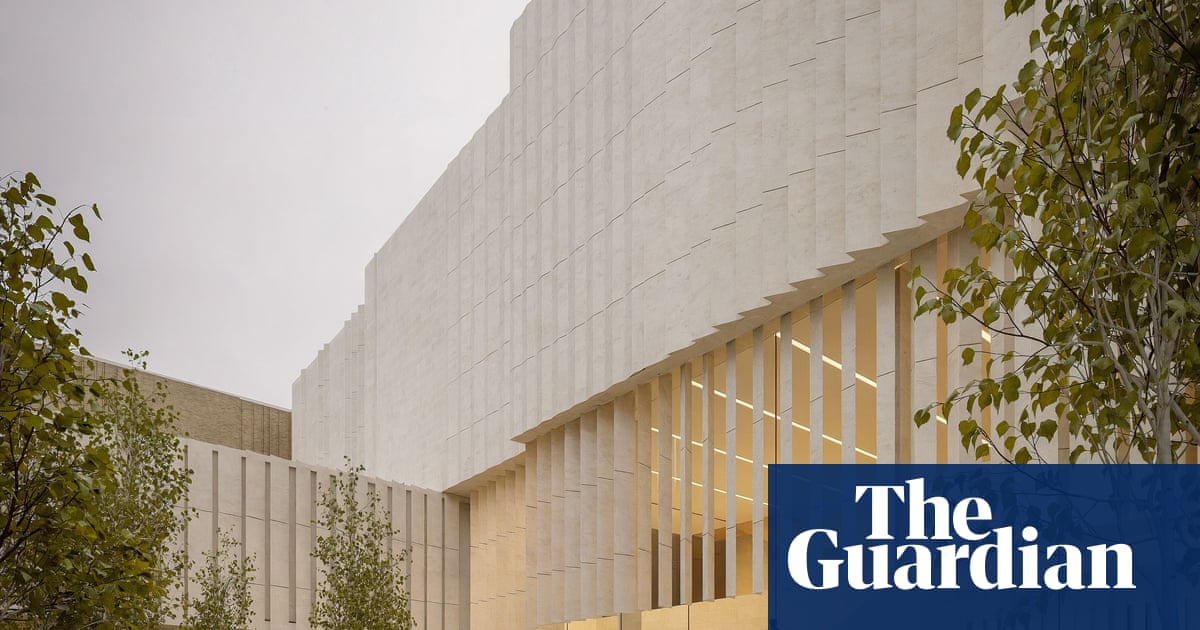
John Booth, chair of trustees at the National Gallery and chair of the jury, praised Kuma’s design as “beautiful inside and out,” emphasizing its harmony with the existing Grade I listed facade and unique gallery spaces. He noted that the new wing would also enhance the connection between two major public areas in London—Leicester Square and Trafalgar Square—by creating inviting new spaces for the public.
Kuma, aged 71, is also behind the design of V&A Dundee, which opened in 2018. Recently, one of his projects sparked debate when his proposal for a new porch at a millennium-old cathedral in western France was criticized as resembling a “wart.” This €5.5 million construction in Angers is set to open on Thursday.
The new wing for the National Gallery will be constructed on a site acquired by the institution three decades ago, which currently accommodates a hotel and an office complex. This initiative is part of a £750 million fundraising campaign aimed at transforming the gallery for future generations.
So far, the gallery has successfully raised £375 million for Project Domani, including record-setting donations from two major benefactors. The Crankstart Foundation, led by Michael Moritz and Harriet Heyman, and the Julia Rausing Trust have each committed £150 million. An additional £75 million has been contributed by the National Gallery Trust, Booth, and several anonymous donors.
The funds will be allocated toward acquiring post-1900 artworks and establishing an endowment fund. However, the gallery is currently grappling with an £8.2 million budget deficit, which may result in job reductions, fewer exhibitions, increased ticket prices, and a decrease in the international borrowing of artworks.
The initial design selection for what is now the Sainsbury Wing was abandoned in 1982 after then-Prince Charles criticized it as “a monstrous carbuncle on the face of a much-loved and elegant friend.”
On Tuesday, the jury remarked on Kuma’s new wing, stating that “the design is both innovative and beautiful, fulfilling the ambition and sensitivity expected for an international gallery project. It honors the existing Sainsbury Wing galleries, and the approach to the public realm and roof garden generates a welcoming presence, enriched by trees and greenery.”