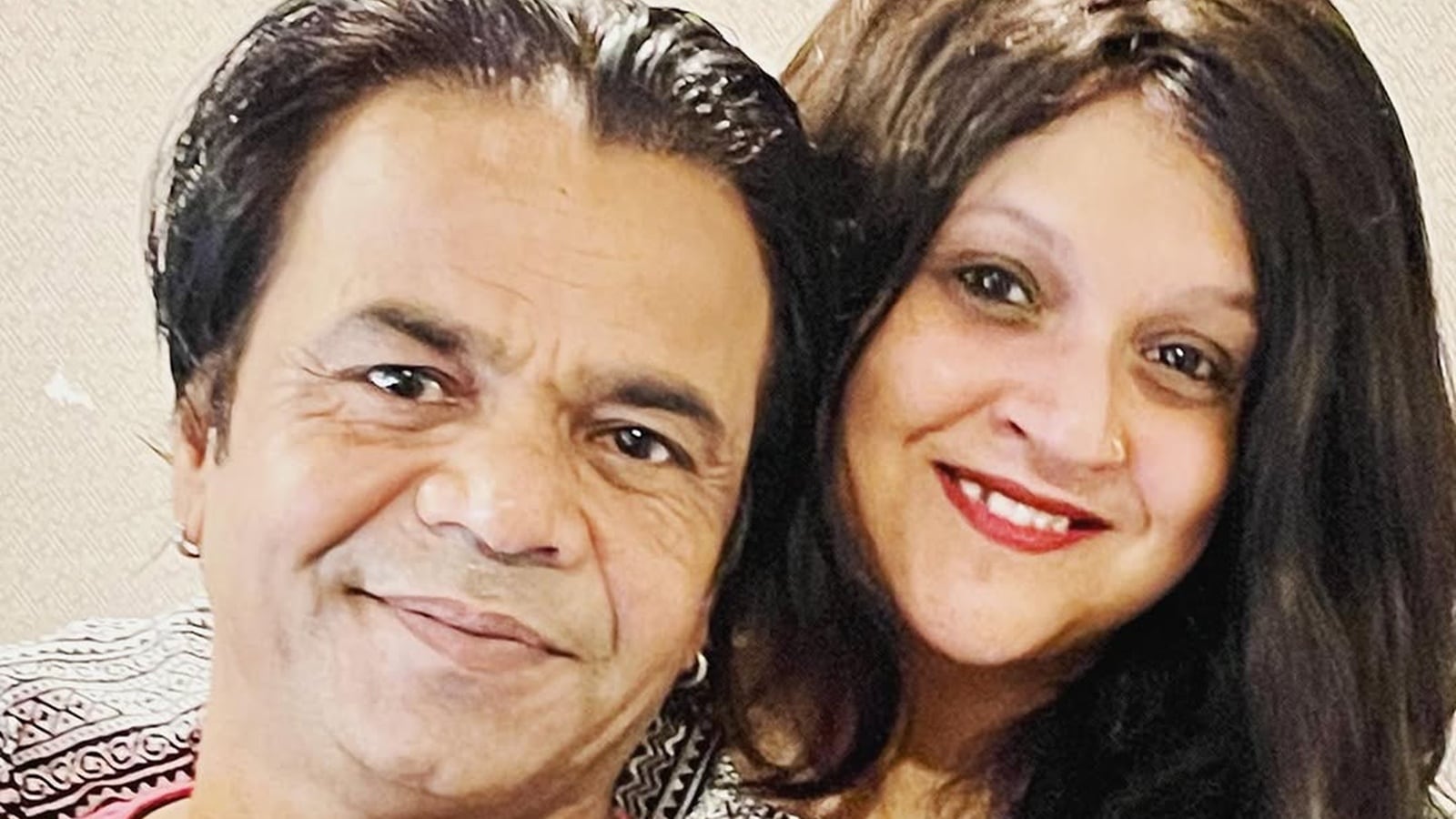

Relationships that defy societal norms, such as those characterized by significant age differences, cultural variances, or differing life phases, often face unique challenges. Recently, Rajpal Yadav and his wife, Radha Yadav, shared insights about their relationship, which began unexpectedly in Canada during the filming of “The Hero.” Radha recounted their story to Curly Tales, explaining, “I am from Canada, and he was shooting for The Hero there. We were introduced by a mutual friend, and our friendship blossomed. He visited my home and met my parents, but at that time, we had no idea we would eventually marry. We maintained a long-distance relationship for ten months, and in 2003, I traveled to India, where we got married.”
Despite their commitment, Radha’s family initially struggled to accept their union, primarily due to the 13.5-year age gap between them. Nevertheless, the couple persevered and has now celebrated over twenty years of marriage. A noteworthy aspect of their story is Radha’s decision to continue her education post-marriage. Rajpal emphasized this by stating, “I insisted she complete her education after we got married.” Radha also highlighted her dedication to her studies, mentioning that she pursued interior design courses in both London and Dubai after their wedding. Their relationship exemplifies everyday compromises and companionship, with Rajpal humorously noting, “For the past 23 years, I have only worn clothes that Radha has bought for me,” recalling a funny instance when she had to shop from the children’s section due to size concerns.
Psychologist Rasshi Gurnani spoke to indianexpress.com about the implications of marrying young, stating that it can lead to developmental and emotional hurdles, particularly because personal identities are still being formed. She noted that individuals in age-gap relationships might face role confusion, dependency issues, or emotional instability. The younger partner may subconsciously take on a more submissive role, while the older partner might dominate, potentially affecting the younger partner’s autonomy and self-esteem. Differences in peer experiences can lead to social isolation or internal conflict, which may result in cognitive dissonance, unfulfilled emotional needs, or hindered personal growth if not actively addressed.
According to Gurnani, family disapproval can evoke feelings of stress, guilt, and emotional disturbance, often leading couples to adopt a defensive mentality of “us against them.” She advises that navigating these challenges healthily requires setting boundaries, practicing assertive communication, and fostering emotional differentiation—allowing individuals to make choices independent of family expectations without hostility. Relying solely on one’s partner for validation can lead to co-dependency; hence, maintaining external support networks is vital. Demonstrating empathy towards family concerns while reinforcing mutual respect within the relationship can help lessen long-term resentment.
Maintaining equality in a relationship involves mutual decision-making, open communication, and affirming individual autonomy. Encouragement should foster self-efficacy rather than morph into control, supporting personal growth. It is essential for both partners to nurture their own identities, interests, and social networks to prevent enmeshment. Regular discussions about needs, boundaries, and aspirations are crucial for sustaining equilibrium. “A psychologically healthy relationship allows both partners to grow independently while staying emotionally connected,” Gurnani emphasized.