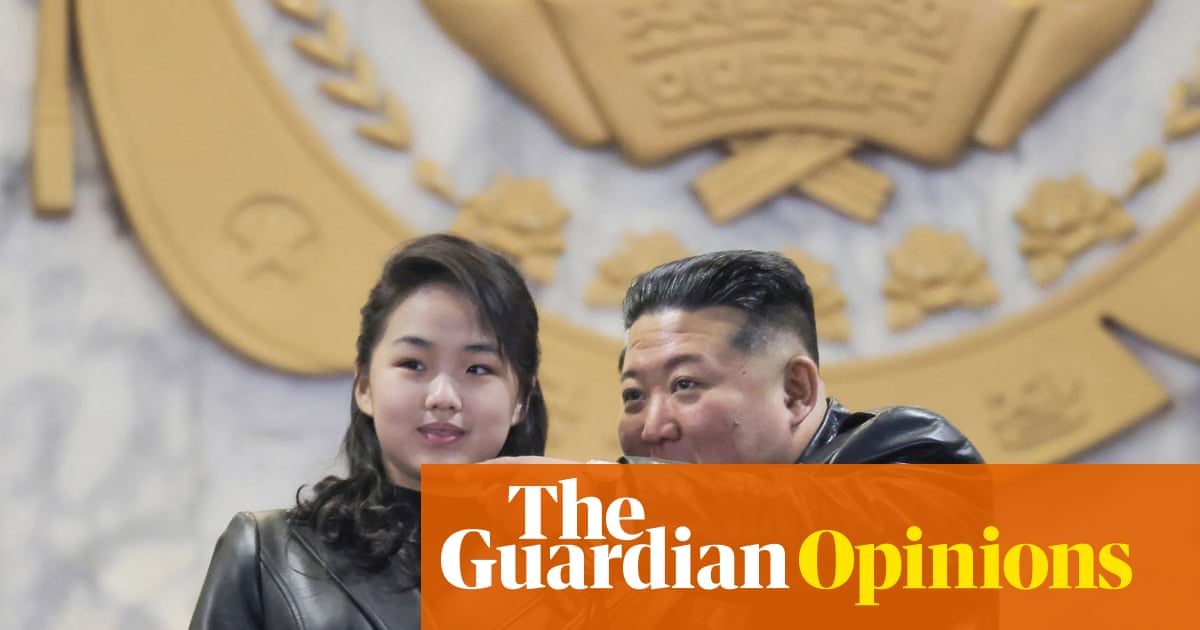

North Korea stands out for transforming what is ostensibly a communist regime into a dynastic system that has persisted through three generations. The discussion surrounding the potential succession of Kim Jong-un’s teenage daughter, Kim Ju-ae, is igniting debate, although such political shifts are not entirely unprecedented. According to South Korea’s intelligence agency, there are credible indications that Ju-ae is being positioned as her father’s successor. This announcement was made during a briefing to legislators in Seoul and follows her public appearances with her father, where she demonstrated military skills, such as operating a tank, and received praise from state media, which referred to her as “a great person of guidance.”
The Kim family’s connection to Mount Paektu, viewed as a sacred site and the mythical birthplace of the Korean people, is heavily promoted in North Korean propaganda. However, discussions about Ju-ae’s potential as a successor seem premature given her young age of approximately 13 and her father’s relatively youthful 42 years. Information about her remains limited; her precise age is unclear, and there are indications she might be called Ju-hae instead, as North Korean media does not consistently name her. It is also suggested that she may have two brothers.
Many observers argue that the patriarchal structure of North Korea would hinder her from assuming leadership, even though a few women hold senior roles. Additionally, her inability to continue the male lineage might further complicate her prospects. Analysts propose that her increasing visibility serves multiple purposes: softening her father’s image, paving the way for another familial succession, and drawing attention to North Korea’s military advancements. Previous successors were kept away from public life for much longer, and there is speculation that an elder brother may be secretly prepared for leadership, safeguarding him from potential rivalries.
Regardless of who ultimately inherits power, North Korea functions as more than just a family dictatorship. The political landscape is rooted in connections established during the reign of Kim Il-sung, the nation’s founding leader, with their descendants still in power and benefiting from the economy. The cult of personality surrounding the Kim family promotes a sense of continuity and stability that serves the elite.
However, the reverence for the ruling family has diminished over time. While state repression remains a constant, the regime’s ability to care for its citizens has deteriorated significantly over the decades. Discontented citizens lack avenues to challenge the oppressive government, which has intensified restrictions on foreign media that might expose the youth to more promising prospects beyond the nation’s borders, despite a revival of trade with China that may offer some exposure. Recently, North Korea has bolstered its ties with Russia, which is seeking arms and personnel for its military operations in Ukraine, further solidifying its relationship with China.
The suffering and exploitation of millions of North Koreans essentially fund the luxurious lives of the ruling families and support their military programs necessary for their survival. A 2014 UN commission of inquiry found that the North Korean leadership was committing human rights abuses without parallel in the modern era. Approximately two-fifths of the population suffers from malnutrition, with women receiving disproportionately less nourishment within families. Furthermore, tightened market controls have severely impacted their circumstances. Parents of teenagers, especially daughters, are increasingly anxious about conscription, as more school leavers are being enlisted and dispatched for military service abroad.
The prominence of Kim Ju-ae will unlikely benefit others in the country. Rather than signaling a significant shift in the status quo, her visibility reinforces the existing grim realities faced by many North Koreans.
Do you have thoughts on the matters discussed in this article? If you wish to share a response of up to 300 words for potential publication in our letters section, please reach out via email.