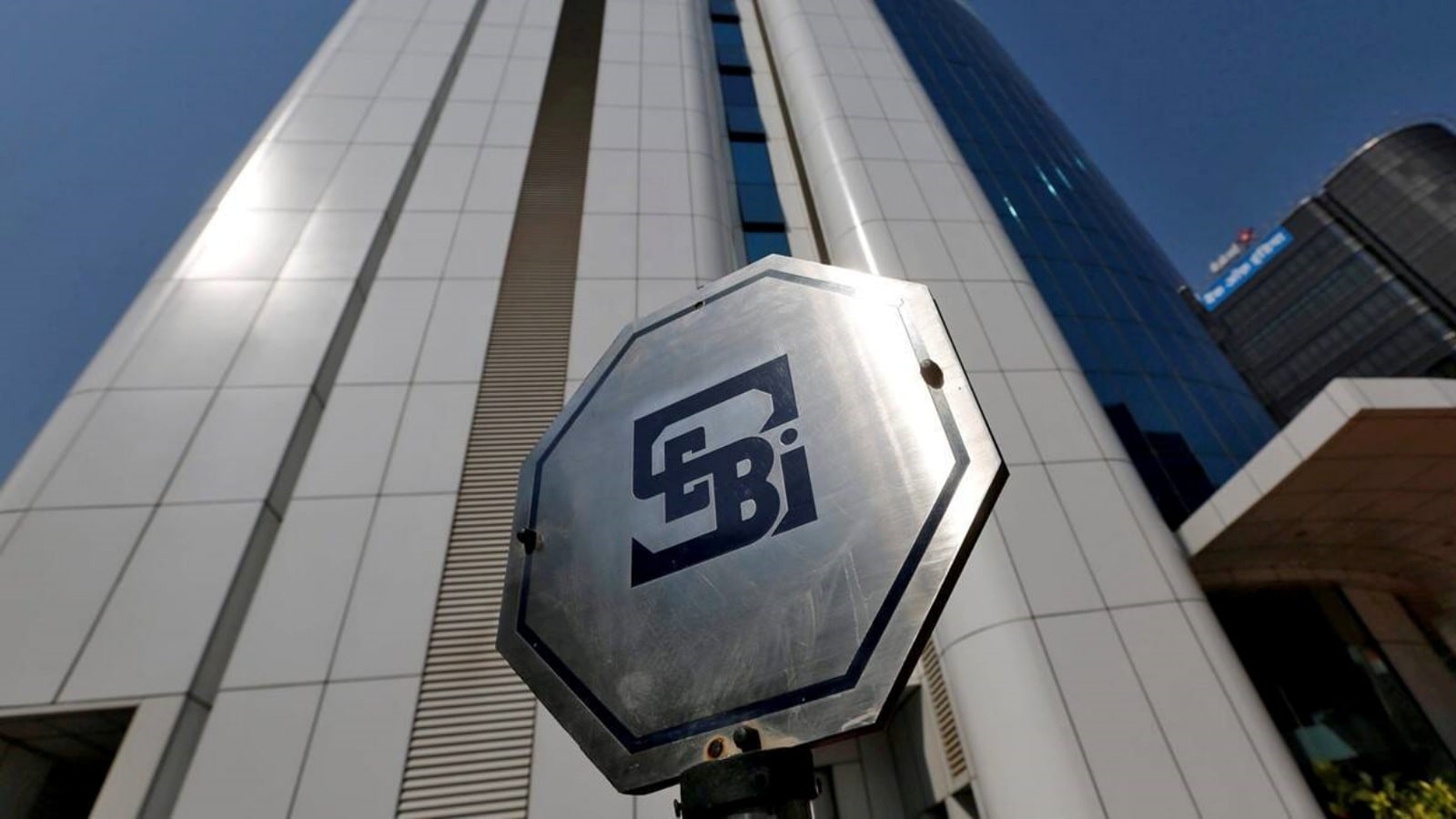

The Securities and Exchange Board of India (SEBI) has announced a temporary relaxation concerning the timelines for public offerings and the minimum public shareholding (MPS) requirements for companies. This decision was made on Tuesday in response to a slowdown in the initial public offering (IPO) market, which has been affected by the ongoing conflict in West Asia.
SEBI has chosen to extend the validity of its observation letters—documents that grant IPO approvals—that are set to expire between April 1, 2026, and September 30, 2026, pushing the deadline to September 30, 2026. This extension responds to delays and alterations in fundraising strategies by companies due to recent market sell-offs.
The regulatory body has noted that it received requests from industry representatives regarding the challenges faced by issuers in raising funds and engaging with capital markets amid the prevailing geopolitical issues. This situation has compelled numerous issuers to postpone, adjust, or abandon their issuance plans, potentially leading to expirations of observation letters and redundant regulatory procedures.
The decision follows appeals from industry groups highlighting the unpredictable market environment resulting from geopolitical conflicts and a decline in investor interest. Companies will now need to secure a confirmation from the lead manager of the issue, ensuring compliance with the Issue of Capital and Disclosure Requirements (ICDR) Regulations when submitting their updated offer documents. The ICDR regulations outline the guidelines for companies looking to issue securities in India.
As the market grapples with instability and sell-offs, valuations have dropped to their lowest levels in 52 weeks for many firms, directly impacting their IPO plans. In such volatile conditions, attracting investors at favorable valuations becomes increasingly challenging, leading many companies to postpone their public offerings until the market stabilizes. This situation also complicates the pricing of favorable IPOs.
Additionally, SEBI has introduced leniencies regarding MPS regulations that companies have struggled to meet. The regulator has instructed recognized stock exchanges and depositories not to impose penalties on entities failing to adhere to MPS norms during this specified period. Any penalties that have already been initiated by exchanges or depositories against listed entities for MPS non-compliance from April 1, 2026, onwards may be revoked.
While SEBI still requires a minimum of 25% MPS, it now allows for a lower initial float and an extended timeline—up to 10 years—for larger companies to fulfill this requirement.
The disruption in the IPO market has widespread implications, affecting companies from various sectors including financial services, manufacturing, technology, consumer goods, and infrastructure. Earlier this year, IPOs amounting to approximately Rs 2.65 lakh crore were anticipated, with significant offerings from NSE, SBI Mutual Fund, and Jio Platforms. Currently, many medium and large IPOs are on hold, with around Rs 1.40 lakh crore worth of IPOs still pending regulatory approval, and another Rs 1.25 lakh crore having received clearance but awaiting optimal market conditions.
Continued delays could hinder corporate fundraising efforts and expansion initiatives, potentially stalling job creation and investment cycles. This situation may result in weaker performance in India’s primary market compared to last year’s record fundraising of Rs 1.75 lakh crore. In summary, if market conditions do not stabilize soon, the previously promising IPO pipeline projected for 2026 could face significant disruptions.