
Throughout history, there are pivotal moments when distant crises become personal, pressing, and deeply human. The issue of rising sea levels exemplifies such a moment.
For an extended period, discussions surrounding sea-level rise have been dominated by technical jargon, focusing on metrics like centimeters, coastal infrastructure, and future projections. This has led to a perception of sea-level rise as merely a technical issue for engineers and urban planners. However, the reality is that rising waters are already inflicting harm on individuals, communities, livelihoods, and cultural identities. Sea-level rise has emerged as a contemporary health crisis.
When saltwater contaminates freshwater resources, public health deteriorates. Flooding that overwhelms sanitation systems leads to the spread of diseases. Agricultural lands inundated by high tides result in nutritional deficits. Furthermore, the prospect of abandoning ancestral lands imposes a complex array of physical, financial, emotional, cultural, and spiritual distress on affected individuals.
While the implications of sea-level rise on property rights and insurance are evident, the deeper losses are far more profound—encompassing aspects such as safety, dignity, continuity, and a sense of belonging. In vulnerable coastal areas and island nations, particularly in the Pacific, communities are confronting this harsh reality today. For Indigenous populations, land is intrinsically linked to identity, memory, laws, kinship, sustenance, and the connection to a shared future.
Those experiencing the earliest and most severe impacts are predominantly those who have contributed the least to the problem. Currently, sea levels are rising quickly within a global context already marred by inequality, colonialism, and economic marginalization. It is imperative that we do not allow these injustices to worsen during our time.
It is heartening to see a growing recognition of this crisis and its interconnected aspects. The newly established Lancet Commission on Sea-Level Rise, Health and Justice aims to unite experts from various fields and regions, with support from the World Health Organization’s Asia-Pacific Centre for Environment and Health. This initiative seeks to demonstrate the inseparable nature of health, justice, and climate impacts. Their planned research promises to shed light on issues that have often been overlooked, as well as the actions that governments, communities, and institutions can take in response.
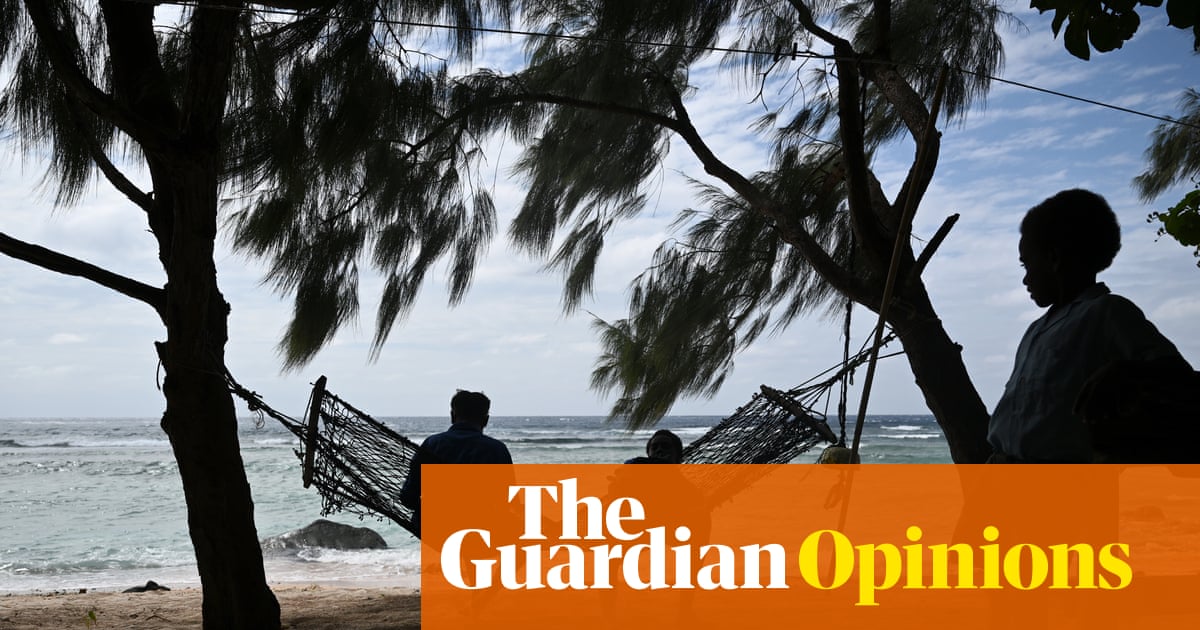
The commission’s focus recalls discussions I had in Vanuatu with climate activist and youth leader Litiana Kalsrap. Coastal erosion and rising sea levels pose significant threats in Vanuatu. Despite budget cuts, Kalsrap remains committed to educating her community about the ongoing changes and spearheading initiatives for planting mangroves and grasses to stabilize the coastline.
Her dedication and resilience in the face of adversity are truly inspiring. What began as a localized rehabilitation project has transformed into a broader effort that fosters personal resilience and strengthens community bonds.
Other activists from Vanuatu have taken a more direct route by appealing to the International Court of Justice, the highest judicial authority in the world. In June, following their petition alongside 129 other nations, the court issued an unprecedented legal statement regarding states’ obligations to safeguard both current and future generations’ rights to a clean, healthy, and sustainable environment.
This advisory opinion marks a significant legal acknowledgment that cooperation among nations to combat climate change—the primary cause of rising sea levels—is an obligatory duty. The unanimous ruling emphasized that expanding fossil fuel usage could be deemed a wrongful act.
While the rising seas may be a result of political and economic systems focused on extraction without accountability, change is on the horizon. The ICJ’s advisory opinion is a crucial milestone in this transition, as are the myriad local initiatives being undertaken. The remarkable shift towards renewable energy, along with advancements in energy storage and electrification, further illustrates that we are entering a transformative era.
Holding polluters accountable in a global economy still reliant on fossil fuels, which often privatizes profit while socializing harm, is undoubtedly challenging. However, those dedicated to making a difference do not shy away from such daunting tasks. They understand the stakes involved, embrace the challenges, and persevere. The courage displayed by individuals like Kalsrap and the law students who approached the ICJ exemplifies the defining spirit of this critical decade.
We need not view sea-level rise merely as an unfortunate byproduct of routine practices, managing its human consequences while maintaining the very systems that contribute to it. There exists an alternative approach—one that acknowledges the interconnectedness of health, justice, and climate stability, where accountability is non-negotiable. Although this recognition may not always dominate the headlines, it is steadily gaining momentum and strength. Just as sea-level rise has become a pressing and personal issue, so too is this growing awareness, revealing its profound human significance.
Christiana Figueres served as the head of the UN climate change convention from 2010 to 2016. She is a co-founder of Global Optimism and co-host of the climate podcast Outrage + Optimism.