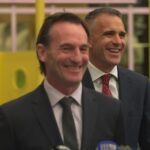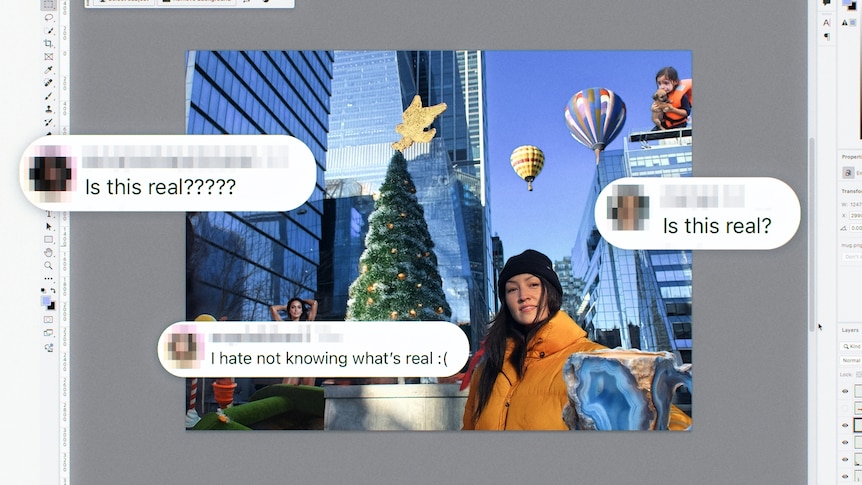

There is a notable concern regarding the prevalence of misinformation, but we still hold the potential to preserve factual integrity. A case in point is Jindabyne, my hometown, where the ongoing debates have led to a sense of fatigue among residents. Many individuals find themselves overwhelmed and choose to disengage, which poses a risk as this disengagement can create a void just as dangerous as accepting falsehoods.
If you’re interested in Jindabyne’s current situation, you can view a related video clip.
What distinguishes misinformation from disinformation? These terms may appear similar, leading to confusion about their meanings.
Thanks to Kyle for raising this question. Misinformation refers to inaccurate or misleading information shared by individuals who believe it to be true, without any intent to deceive others. In contrast, disinformation involves the intentional creation and dissemination of false information designed to mislead or cause harm. The challenge lies in increasingly blurred lines between these two concepts, complicating our ability to effectively address misleading content in our daily lives.
This has resulted in many people using the term misinformation broadly to encompass all forms of false or untrustworthy information.
Some individuals have pointed out physical anomalies, such as missing fingers or distorted hands, as indicators of AI-generated news images. However, sometimes these irregularities can simply be due to unusual angles. How can we reliably identify AI content without inadvertently training the technology to mask its “tells” for future detection?
Hello Ash, thank you for your inquiry. I posed this question to an expert at ABC News Verify, and here is his response:
Ash, that’s an excellent question. While certain physical inconsistencies can assist in recognizing AI-generated content, advancements in AI are making it increasingly adept at avoiding such errors. Additionally, image or video compression can sometimes create distortions that mimic AI “tells” even when they are not present. Therefore, I advise against relying solely on physical anomalies like extra fingers.
For AI to successfully deceive us, it must adhere to both physical and logical principles. I recommend asking whether the events portrayed in the image seem plausible. Instead of viewing the image as an AI puzzle, I encourage seeking additional sources for verification. Does a reverse image search reveal its original source? Is the event reported by other media outlets, and if not, does that lack of coverage seem reasonable?
An illustrative case is an image depicting former US President Donald Trump rescuing a child from a flood. Where are his security personnel? Why was this event not reported widely, considering his status as a public figure? Thus, conducting thorough research beyond the image itself is the most effective strategy.
You’re not alone in your quest for clarity. Before we delve into the Q&A, let’s clarify some key terms that will emerge throughout today’s discussion:
- False information shared unintentionally.
- Deliberately misleading information.
- Artificial Intelligence (AI): Computer programs capable of learning and performing tasks that typically require human cognition.
- Media literacy: The ability to critically evaluate and analyze information encountered in the media.
- Confirmation bias: The tendency to favor information that aligns with existing beliefs.
I have enlisted experts to help us navigate the complexities of misinformation and disinformation, equipping us to tackle these issues in our everyday lives.
Allow me to introduce them: a senior journalist from ABC News Verify, which focuses on investigating and debunking online misinformation; a research fellow from the ARC Centre of Excellence for the Digital Child, who has developed media literacy programs for schools; and an ABC journalist hosting “The Matter of Facts,” a new series examining the implications of losing trust in factual information.
What questions do you have? Please feel free to submit them in the comments.
Welcome to our live blog! I am here to assist you in navigating the intricacies of misinformation and disinformation.
I will not be undertaking this endeavor alone; I have gathered a team of experts to address your queries and support you in confronting the overwhelming influx of information we encounter.
We will also explore the latest insights on this topic available on ABC iview. So, please share your questions in the comments, and I will present them to our experts.
Are you finding it increasingly challenging to discern what is credible online? Join us as we explore the realms of misinformation, disinformation, and AI, and learn how to identify them effectively.