
A recent statement from a United Nations expert has raised alarms about a significant environmental crisis in Mexico, labeling it a “toxic crisis” and describing the country as a “garbage sink” for the United States. This situation has resulted in exposing Mexican communities to harmful levels of pollution.
In discussions with the Guardian and Quinto Elemento Lab, Marcos Orellana, the UN’s special rapporteur on toxins and human rights, revealed that both imported waste and hazardous pesticides are jeopardizing citizens’ rights to a healthy life. Orellana conducted an 11-day investigative mission in Mexico last month to assess the toxic hazards confronting its population. He noted that insufficient environmental regulations and a lack of regulatory enforcement have contributed to the accumulation of pollution over time.
“Weak standards lead to legalized pollution,” Orellana remarked, emphasizing that the importation of hazardous and plastic waste from the United States exacerbates the existing problems.
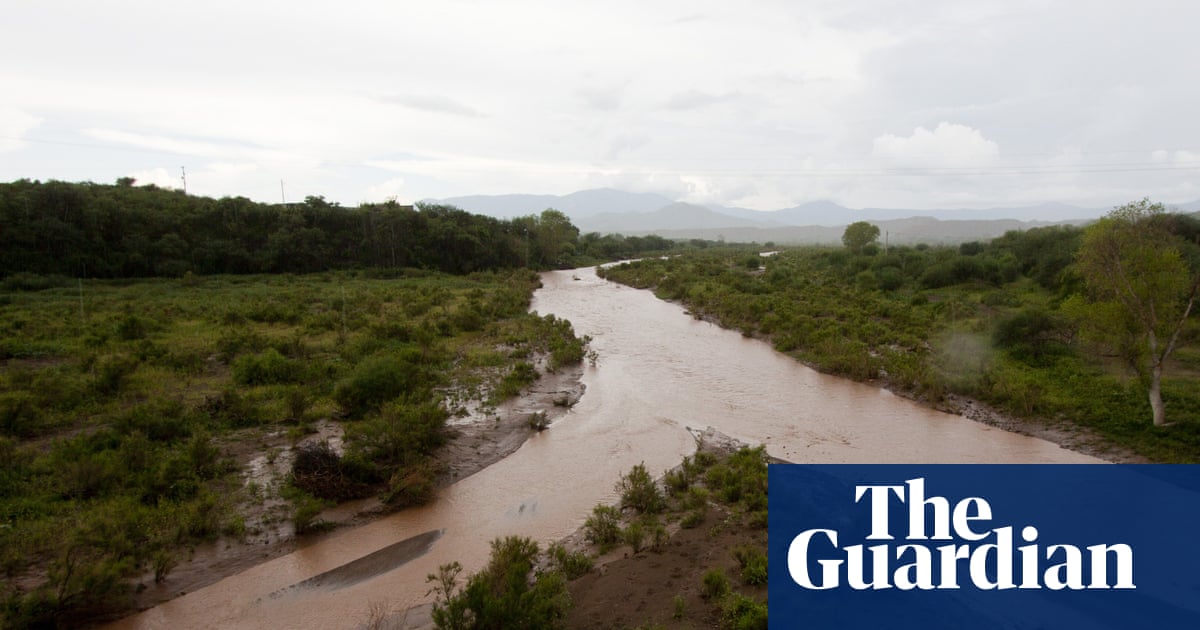
According to the rapporteur, Mexico’s National Inventory of Contaminated Sites lists over 1,000 contaminated areas, many of which he referred to as “sacrifice zones” where health issues like cancer and miscarriages have become normalized. In a preliminary report outlining his findings, he mentioned instances of factories discharging toxic waste into the Atoyac River in Puebla, large industrial pig farms contaminating drinking water in the Yucatan Peninsula, and a mining chemical spill from a decade ago that continues to impact communities near the Sonora River.
These hazardous conditions have left many residents grappling with severe health complications. “Living in a sacrifice zone means losing the right to die of old age,” he noted, underscoring the dire circumstances faced by these communities.
One specific area of concern is the industrial corridor of Tula in the central state of Hidalgo, where steel mills, cement plants, and petrochemical facilities are situated near a river tainted by industrial waste and untreated sewage from Mexico City. Orellana cautioned that proposals aimed at bringing additional waste for recycling would only compound the environmental burdens already confronting these communities.
He pointed out that companies often evade responsibility for preventing, mitigating, and rectifying the damage they cause. This lack of accountability has led to what he described as the “legalized poisoning of people.”
Orellana particularly emphasized the influx of plastic waste from the United States, expressing concern about the unclear final destinations of this waste once it crosses the border. He also noted the alarming presence of microscopic plastic particles in rivers, including the Tecate in Baja California, the Atoyac in Puebla, and the Jamapa in Veracruz.
Official records indicate that the United States exports hundreds of thousands of tons of hazardous waste to Mexico annually, including lead-acid car batteries and various recyclable materials like plastic, paper, and metal. Environmental organizations have raised concerns about Mexico’s capacity to manage this influx without resulting in further pollution.
In Monterrey, a hub for US manufacturing and home to some of the most severe air pollution in North America, residents have welcomed Orellana’s call for heightened awareness regarding the health of the Mexican populace. María Enríquez, a mother and environmental activist in Monterrey, co-founder of the environmental organization Comité Ecológico Integral, warned that poor air quality has become a daily reality, leading to widespread respiratory issues among residents.
“We have learned to live sick, particularly with respiratory ailments,” she stated.
Guadalupe Rodríguez, who oversees a network of childcare centers in Monterrey, echoed these sentiments, highlighting that children in her care also suffer from health issues. “Families have come to accept constant coughing as normal for their children,” Rodríguez shared, urging the government to fulfill its constitutional obligation to ensure a healthy environment, especially for vulnerable populations. “If they are not protected, the right to health is not guaranteed,” she asserted.
The rapporteur’s visit, which was undertaken at the invitation of the Mexican government, coincides with a growing focus on the management of toxic and hazardous waste within the country.
In Monterrey, residents have been advocating for government intervention to address heavy metal pollution, much of which is released into the air by factories engaged in manufacturing goods for the US or recycling hazardous materials from the US.
Officials from President Claudia Sheinbaum’s administration have already acknowledged that current regulatory standards regarding factory emissions are outdated and have pledged to enhance them. Mariana Boy Tamborrell, Mexico’s federal attorney for environmental protection, stated that her agency is at a “turning point” in regulatory action, planning to require industries to address the environmental damage they inflict. A new air monitoring system will be implemented to track emissions from specific facilities, starting in Monterrey’s industrial corridor.
“There will be no room for claims of ‘it wasn’t me,’” she added. “We will be able to pinpoint the source of pollution.”
Orellana suggested that Mexico could impose restrictions on the importation of hazardous waste as part of a broader strategy to combat the crisis. He highlighted that some nations have opted to ban such imports to prevent becoming dumping grounds for international waste while still engaging in global trade.
In response to these concerns, Mexican senator Waldo Fernández has proposed legislation aimed at tightening regulations on waste imports for recycling. This law would prevent the import of waste if it poses greater environmental risks in Mexico than permitted in its country of origin. Fernández stated, “Mexico must not become a dumping ground for toxic waste or a victim of pollution due to commercial pressures.”