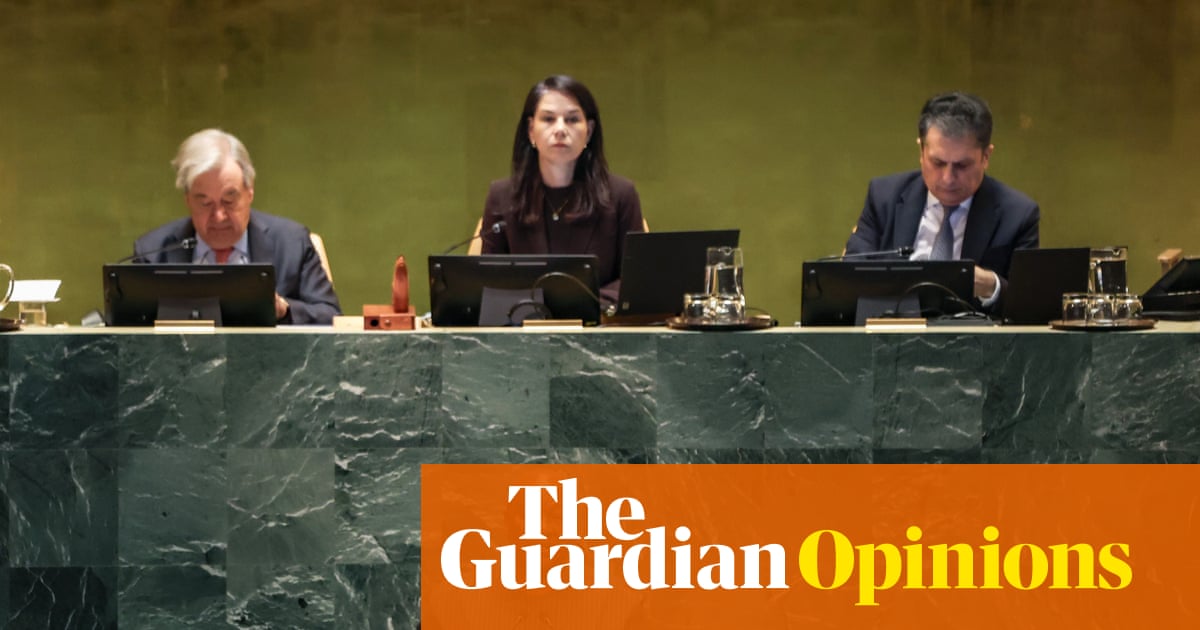

The recent UN resolution led by Ghana has highlighted a significant divide in global perspectives on historical injustices, particularly concerning slavery. On March 25, the UN General Assembly passed the Ghanaian resolution with a vote of 123 in favor, three against, and 52 abstentions. This resolution characterized the trafficking and racialized enslavement of Africans as “the gravest crime against humanity,” advocating for formal apologies, reparative justice, and the restitution of stolen cultural artifacts. The countries that voted against it were the United States, Israel, and Argentina, while the United Kingdom and all EU member states chose to abstain.
This voting pattern offers a clear insight into the current global landscape. Many nations in Africa, the Caribbean, and the broader Global South viewed the resolution as an essential moral acknowledgment of one of history’s most significant injustices linked to human trafficking and racial capitalism. In contrast, much of the Western response appeared to treat this acknowledgment as a threat—not to truth itself, but rather to their own comfort and historical narratives.
Ghana’s President, John Dramani Mahama, recognized the importance of this resolution, describing it as “a pathway to healing and reparative justice” and “a safeguard against forgetting.” The focus was not merely on expressing outrage, but on formally recognizing a crime with far-reaching impacts that continue to shape contemporary society.
The backlash from Western nations has been particularly revealing. The UK and EU’s objections were couched in legal discourse, with Britain arguing that the resolution implied a “hierarchy of historical atrocities” and claiming that the transatlantic slave trade was not prohibited under international law during that period. Ireland echoed this sentiment, indicating that the language used in the resolution suggested a ranking of atrocities.
It is inappropriate for nations with a history of slave trading to lecture others on moral complexity. The argument that labeling slavery as “the gravest” crime somehow diminishes other forms of suffering conveniently avoids confronting the profound consequences of transatlantic slavery, which included the depopulation of Africa, the racial stratification of humanity, and the transformation of Black individuals into property. This is not a competition over suffering; it is an acknowledgment of historical specificity.
The most troubling reactions have emerged from right-wing factions. Zia Yusuf of the divisive political group Reform UK has proposed restricting visas for countries that advocate for reparations, revealing a punitive mindset that frames calls for historical justice as threats rather than legitimate moral requests.
Kemi Badenoch, the leader of the UK opposition, argued that Britain should have opposed the resolution, suggesting it would lead to demands for “trillions” from taxpayers while emphasizing that the UK later played a role in abolishing the slave trade. This illustrates a familiar pattern of denying accountability: committing the crime, benefiting from it, compensating slave owners when the practice ended, and then seeking moral credit for moderating a system they helped establish.
Reparations are often caricatured as an unjust demand rather than a necessary action to rectify long-standing inequities resulting from centuries of exploitation. Claims for justice from Black communities are frequently dismissed as greedy or destabilizing, while the wealth accrued through slavery remains unquestioned.
This resolution is significant because it challenges the narrative that the conversation should end with mere acknowledgment of past atrocities. It asserts that claims for reparations are “a concrete step towards remedy” rather than an emotional indulgence. UN Secretary-General António Guterres used this opportunity to advocate for addressing the ongoing legacies of slavery, including promoting fairer participation for African nations in the global financial system.
The 10-point plan proposed by the Caribbean Community (Caricom) is particularly relevant here. For over a decade, Caricom has maintained that reparatory justice is not merely about financial compensation. Instead, it links formal apologies to initiatives aimed at improving the development of Indigenous peoples, addressing public health challenges, eradicating illiteracy, promoting African knowledge, providing psychological support, facilitating technology transfers, and canceling debt. This approach views slavery not as a completed moral chapter but as a continuous source of developmental harm.
In this context, the UN resolution is a momentous initial step, not the final word or an immediate establishment of a reparations tribunal. It lays the groundwork for political and moral discussions, bringing the issue of reparations to the forefront. It empowers African and Caribbean nations to advocate for a “reparative framework,” and Caricom’s reparations commission has described this vote as a “gamechanger.”
It is important to note that if the resolution were purely symbolic, Western nations would not exhibit such anxiety. The concern is not about the rhetoric but about the potential precedents it sets. By officially acknowledging that this atrocity has ongoing implications, it becomes more difficult to maintain the established narrative. This raises further inquiries about debt, underdevelopment, museum collections, trade structures, and historical compensation.
It is particularly disheartening to see abstentions from countries like Ireland, which has its own history with imperialism. Ireland’s past should foster a sense of solidarity rather than resistance, highlighting the tragic irony of Europe’s response: a continent willing to remember atrocities yet reluctant to confront its role as a perpetrator.
President Mahama rightly urged Ghanaians, both domestically and in the diaspora, to recognize the significance of this moment. The derision surrounding reparations stems from a colonized mindset that views the demand for justice as embarrassing or unrealistic.