
In the weeks preceding a proposed US military operation against Iran, a close-knit group of high-ranking officials met repeatedly in the White House Situation Room. According to a report by The New York Times, these critical discussions highlighted how President Donald Trump’s instincts and the lack of significant internal dissent ultimately directed the nation toward potential conflict.
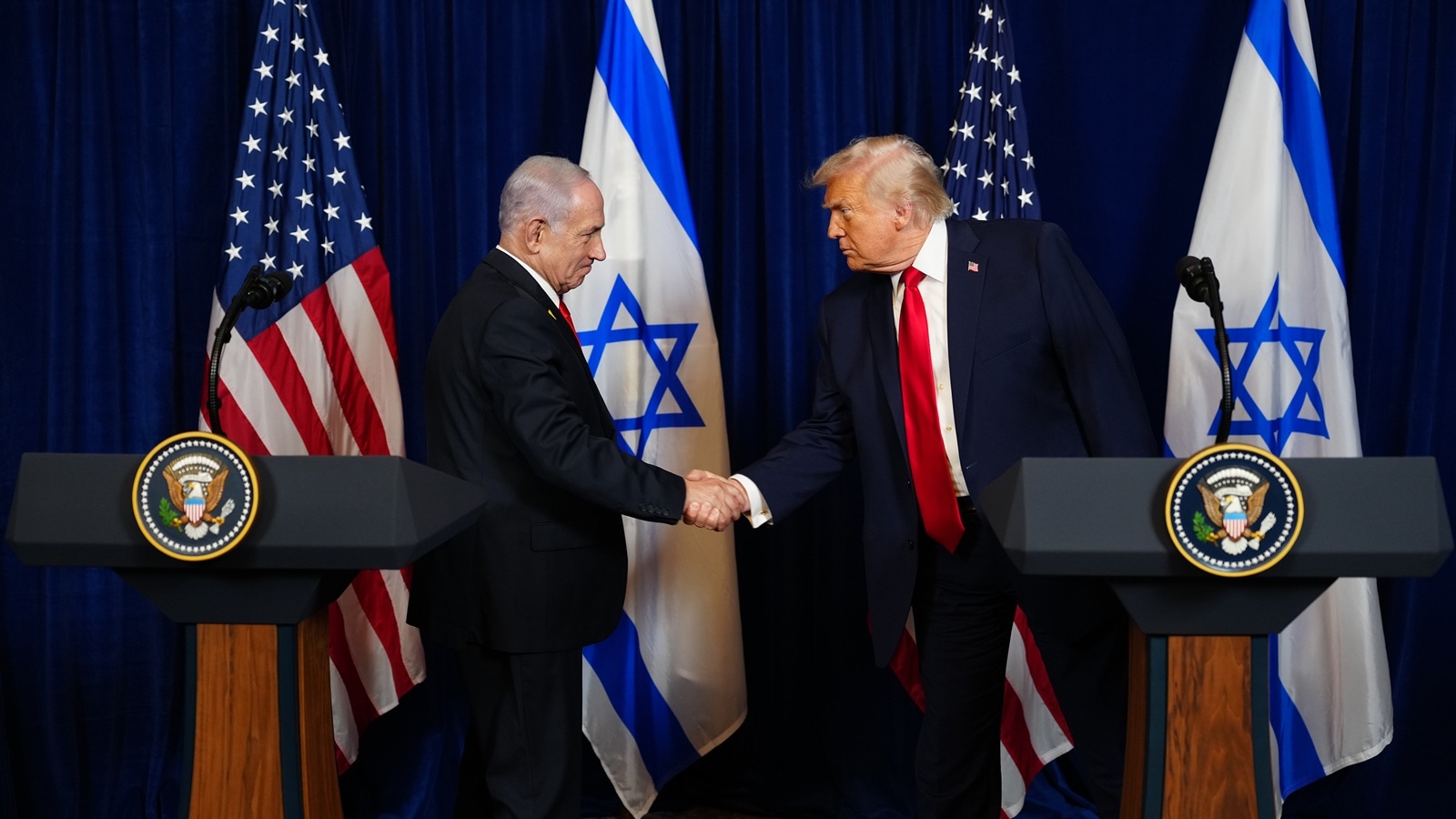
The report noted that Israeli Prime Minister Benjamin Netanyahu made an unprecedented in-person appeal to President Trump and his senior advisers, asserting that Iran was susceptible to a regime change. He painted a picture of a quick and decisive victory, even suggesting possible leaders for the post-regime government. Trump’s immediate response, expressing enthusiasm with a simple “Sounds good to me,” indicated his initial agreement with Netanyahu’s perspective.
However, US intelligence agencies swiftly evaluated the proposal and identified significant shortcomings. While certain limited military objectives appeared attainable, the notion of inciting a popular uprising and establishing a new regime was deemed impractical. CIA Director John Ratcliffe reportedly referred to these expectations as “farcical.” Despite these assessments, Trump remained fixated on military intervention, disregarding broader political implications.
Among those within Trump’s inner circle, Vice President JD Vance emerged as the most outspoken opponent of the war strategy. He cautioned against the risks of regional instability, economic repercussions, and domestic political backlash. Despite his strong opposition, Vance ultimately indicated that he would support Trump’s decision should it proceed.
Several senior officials expressed their private concerns but refrained from confronting the president directly. Defense Secretary Pete Hegseth advocated for immediate military action, while Secretary of State Marco Rubio preferred sustained pressure rather than warfare, though he did not argue his position forcefully. Military leaders raised concerns about the associated risks but avoided making definitive recommendations. The New York Times pointed out that this absence of unified opposition allowed Trump’s stance to solidify.
Trump’s conviction in achieving a swift and inexpensive victory was a crucial factor in his decision-making. Drawing confidence from past operations and the limited Iranian response, he dismissed warnings about possible escalations, including disruptions in the Strait of Hormuz. The report highlighted Trump’s belief that the conflict would be short-lived and manageable.
Ultimately, the decision-making process revolved more around instincts than consensus. Unlike during his first term, Trump’s inner circle largely acquiesced to his judgment in this instance.
The Express Global Desk at The Indian Express provides comprehensive, verified coverage of significant international events that influence global politics, policy, and migration trends. The desk emphasizes narratives relevant to both Indian and global audiences, merging breaking news with detailed analyses and explanations.
A key focus of the desk is US immigration and visa regulations, including updates on student visas, work permits, paths to permanent residency, executive actions, and judicial outcomes. The Global Desk also carefully monitors Canada’s immigration and visa policies, encompassing changes to study permits, post-study work options, permanent residency programs, and regulatory updates that affect migrants and international students.
All reporting from the Global Desk adheres to The Indian Express’ editorial standards, using official data, government announcements, court documents, and statements from credible sources. The desk prioritizes clarity, accuracy, and accountability, enabling readers to navigate complex global systems confidently.
Core Team
The Express Global Desk is headed by a team of seasoned journalists and editors with extensive knowledge in international affairs and migration policy:
Aniruddha Dhar – Senior Assistant Editor with a wealth of experience in global affairs and editorial leadership.
Nischai Vats – Deputy Copy Editor with a focus on US politics and immigration policy, specializing in policy-driven international coverage.
Mashkoora Khan – Sub-editor dedicated to global developments, particularly in Canada’s immigration and study-related policies.
Stay informed with the latest updates – Click here to follow us on Instagram.