
The British Foreign Secretary is set to emphasize the necessity of including Lebanon in the ceasefire arrangement between the United States and Iran, as the prospect of a two-week cessation of hostilities hangs in the balance.
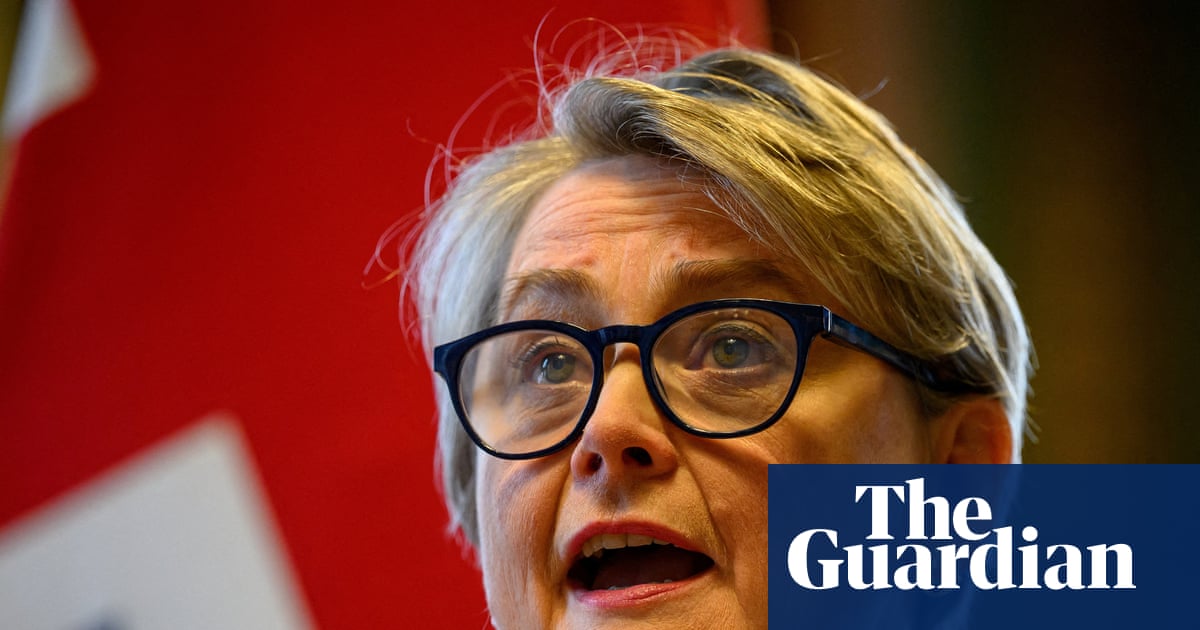
During her remarks at an event in London’s Mansion House, Yvette Cooper will assert that it is imperative to prevent a return to violence following the ceasefire declaration made by U.S. President Donald Trump on Tuesday evening.
In spite of the announcement, Israel has escalated its military actions in Lebanon, resulting in at least 254 fatalities. This has led Iran to suspend the transit of oil tankers through the strategic Strait of Hormuz once again.
Expectations that Israel would immediately cease its operations in Lebanon were dampened when U.S. Vice President JD Vance clarified that Lebanon was not included in the ceasefire terms with Iran. Speaking in Budapest, he noted, “This stems from a legitimate misunderstanding. The Iranians believed the ceasefire encompassed Lebanon, but that was never the case. We did not make that commitment.”
In her upcoming speech at the Lady Mayor’s Easter Banquet on Thursday, Cooper will advocate for Lebanon’s inclusion in the ceasefire negotiations.
She is expected to state, “There is substantial work ahead, and we stand behind the negotiations; progress is essential; we cannot revert to conflict; Lebanon must be part of the ceasefire; there must be no further threats from Iran to its neighbors; and critically, the Strait of Hormuz must be completely reopened.”
“The repercussions of this vital trade route being blocked are felt over 3,000 miles away. It is impacting mortgage rates, fuel, and food prices here at home. Every nation across all continents has experienced the consequences.”
Cooper will highlight the urgency of resolving the conflict swiftly and supporting the reopening of the Strait of Hormuz, which Iran had closed in retaliation to U.S. and Israeli attacks that commenced in late February. Since that time, global fuel and fertilizer prices have surged, straining household budgets.
In her address to city leaders, Cooper will underscore the necessity of maintaining open shipping lanes.
She will assert, “Fertilizer for Africa, liquid natural gas for Asia, jet fuel for the entire world; this trading route is essential for Qatar, the UAE, Bahrain, Kuwait, Iraq, Saudi Arabia, and Oman, yet it has been compromised by Iran, holding the global economy hostage.”
“No nation has the right to close these routes, as it contravenes the fundamental principles of maritime law.”
Cooper will also mention, “We recognize now more than ever that freedom of navigation is the foundation of global trade. It is vital for every sea, ocean, and strait. Every country has a vested interest, and every industry is impacted.”
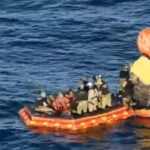
“We should take immediate action to resume international shipping by endorsing the International Maritime Organization’s proposals to assist the ships trapped in the strait and the 20,000 stranded seafarers—a crucial humanitarian and economic first step. Following that, the unconditional reopening of the strait must be a key component not only of the current ceasefire but also for the region’s long-term stability.”