
Europe is navigating a complex situation regarding the US-Israel conflict with Iran, which recently entered a ceasefire following Donald Trump’s last-minute reversal of his aggressive stance towards Iran. This development represents another significant moment in Europe’s gradual move away from its reliance on the United States, particularly after the recent shock of the US’s abandonment of Ukraine and Trump’s provocative suggestion to seize Greenland. The path toward this shift is not straightforward, and many European leaders approach it with trepidation, yet the trend is clear.
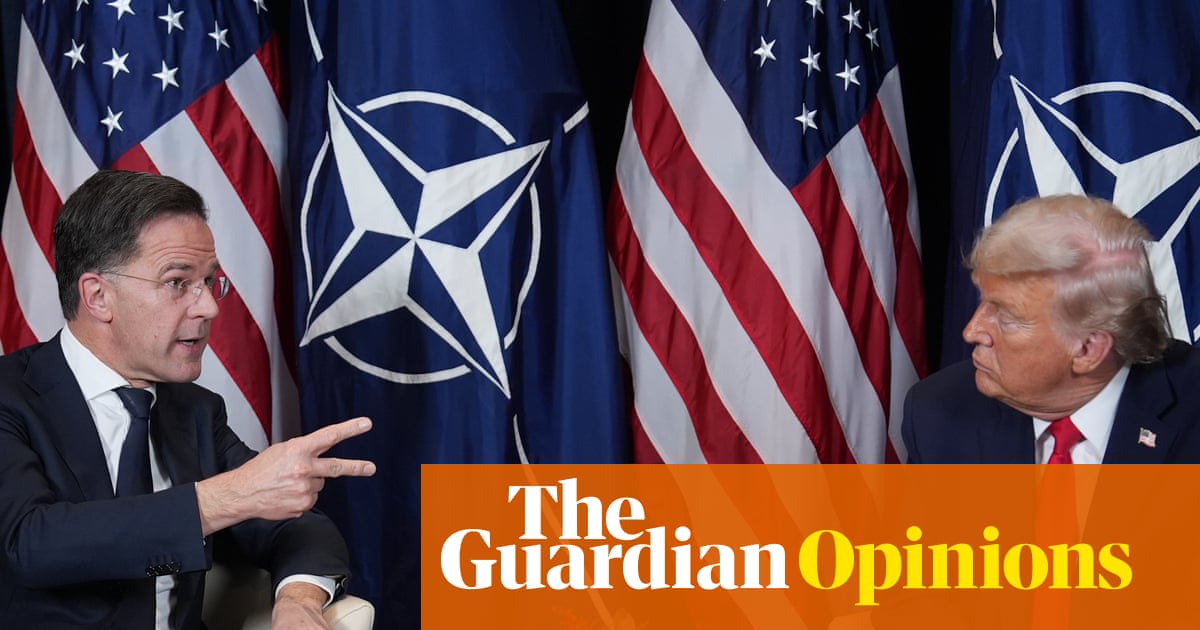
Initially, the majority of European leaders appeared to support the controversial US and Israeli military actions against Iran. Leaders like NATO’s Secretary General Mark Rutte aligned closely with Trump’s perspective, while others, like Spanish Prime Minister Pedro Sánchez, openly criticized the actions. The overwhelming desire for a united front with the US following the Greenland incident, combined with a strong aversion to the Iranian government—due to its ties with Russia and its domestic repression—led many European politicians to buy into Trump’s narrative. They mistakenly believed that the swift US removal of Nicolás Maduro in Venezuela could be replicated in Tehran.
However, as hostilities intensified in the Middle East, Europe’s attitude began to evolve. For many leaders, Trump transitioned from a figure of authority to one of disapproval. This shift manifested in various actions: Italy denied US aircraft access to a base in Sicily, Poland opted not to supply Patriot missile systems to the region due to concerns about Russia, and France rejected overflight permissions while opposing a US-led resolution at the UN that called for military action regarding Iran’s closure of the Strait of Hormuz. France and other nations contend that reopening this critical waterway can only be achieved through diplomatic engagement with Iran. Spain, which had previously limited the use of its joint bases for war-related operations, now shares a perspective similar to other European nations, with Sánchez endorsing the ceasefire while advocating for a lasting peace.
Several factors contribute to this shift in stance. Some European governments initially supported the war, believing in a quick resolution that would yield strategic advantages. They now recognize the error of their calculations, which have inadvertently benefited Russia through increased oil prices and depletion of defense resources for Ukraine.
Additionally, the US has momentarily lifted sanctions on Russian oil and contemplated reallocating military supplies intended for European allies to the Gulf region. Consequently, the conflict has proven to be advantageous for Moscow while posing significant challenges for Kyiv and threatening a new economic downturn in Europe, further compounded by the impacts of COVID-19 and the Ukraine conflict. European leaders have learned firsthand that the degradation of international law, as seen in this latest episode, has detrimental consequences for global stability, including their own.
As Europeans observe Trump’s increasingly erratic and aggressive rhetoric, including threats of war crimes and disparaging comments about European leaders, they are gradually becoming desensitized to his provocations. Even far-right political figures are beginning to distance themselves, not necessarily due to a change in ideology but because association with Trump is becoming politically risky. This trend is evident in Italy, where Prime Minister Giorgia Meloni has quietly distanced herself from Trump following a significant political setback. Similar sentiments are emerging in Germany and France, where right-wing parties are expressing dissent. Only Hungary’s Viktor Orbán continues to maintain a close relationship with Trump, though upcoming elections may test the viability of this alliance.
As Europe asserts its independence from Trump, it may also find a renewed diplomatic voice. Its earlier involvement in the Iranian nuclear negotiations during the 2000s stemmed from opposition to the Iraq war, and a similar dynamic could unfold now. Europe’s resistance to the current conflict and its push for a permanent ceasefire could pave the way for a collaborative approach in the region.
A recent proposal involving several European, Gulf, and Asian nations aims to ensure safe transit through the Strait of Hormuz, initially framed to placate Trump. Concurrently, European nations have supported a UN-led initiative to establish a fertilizer corridor to avert a food crisis in the Global South. The UK is also spearheading a coalition of over 40 countries striving to reestablish access to the Strait once US and Israeli military operations cease. This effort would necessitate coordination with Iran and could realistically involve discussions on Iranian oil exports and a regional toll system for reconstruction financing. Such arrangements might emerge during the current ceasefire as negotiations mediated by Pakistan unfold.
Should efforts to sustainably reopen the Strait of Hormuz succeed, they could lead to broader agreements, including a new nuclear deal, non-aggression pacts between the US and Iran, and between Israel and Iran, potentially involving Lebanon as well. This framework could also facilitate the release of Iranian funds held abroad for rebuilding efforts.