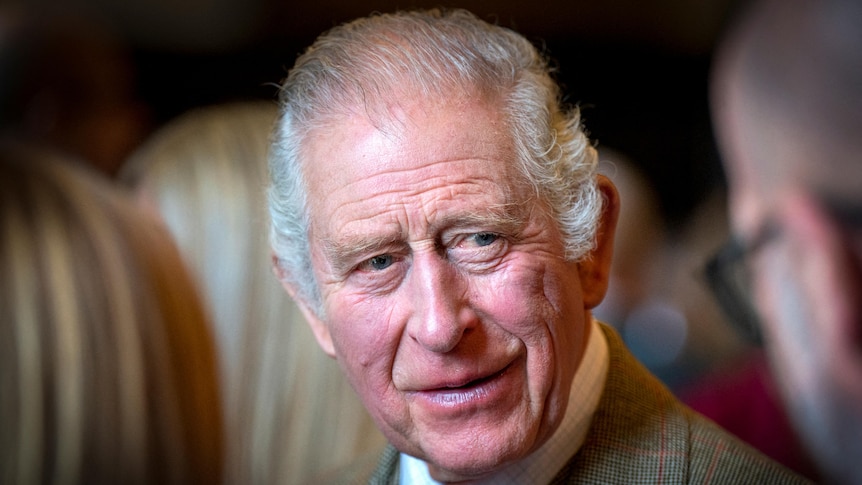

In an open letter directed to the residents of the Northern Territory, King Charles has addressed the severe natural disasters that have occurred during the recent wet season, causing extensive damage and displacing numerous individuals.
The King highlighted the flooding as a clear indication of extreme weather patterns that are “growing both more common and more intense,” attributing this trend to the undeniable “harsh reality of climate change.”
Royal commentator Juliet Rieden noted that this correspondence demonstrates that the King is refining his rhetoric regarding climate change issues.
In his one-page message, which was made public by the Northern Territory Government House, the King expressed his deep concern over the “devastating havoc” the wet season has wreaked across the Northern Territory, recognizing its disruption to all aspects of local life.
This letter follows significant destruction experienced by various communities in the Northern Territory due to flooding and the aftermath of ex-Tropical Cyclone Narelle last month, which has left many residents displaced and unable to return to their homes.
King Charles acknowledged that the Northern Territory has long endured the severe consequences of climate change, feeling the impact of its destructive forces for years. He wrote, “Such events remind us of just how severe and wide-reaching the consequences of extreme weather can be, affecting not only your cherished homes, vital infrastructure and hard-fought livelihoods, but also your essential connections to one another.”
The King remarked that “extreme weather events of every kind are becoming both more frequent and more ferocious in their impact,” noting that Australia is a poignant example of this phenomenon.
He expressed that the people of the Northern Territory are “only too well” aware of the escalating frequency and intensity of extreme weather, recalling the devastation caused by Cyclone Tracy in Darwin in 1974, during his visit to the region.
Reflecting on his past experiences, he stated, “During my visit to the Northern Territory at the time, I well recall witnessing the disastrous impact on the city of Darwin and marvelling at the rescue, recovery and rebuilding of communities, homes and lives.”
He commended the dedication and bravery of those who have worked tirelessly to aid communities, especially in remote areas, during these challenging times. “The strength and courage displayed in recent weeks is deserving of the deepest respect and gratitude,” he remarked, expressing hope that the people of the Northern Territory would emerge with a renewed sense of connection and pride in their community.
King Charles concluded his letter by stating that the increasingly severe effects of climate change are a “siren-call to the world for more urgent action.”
Following the King’s correspondence, Mr. Connolly shared that he had reached out to Charles to inform him about the devastating impacts of the 2026 wet season. He expressed hope that the King’s message would offer comfort and support as the community begins to rebuild.
The administrator’s office also revealed that the King had made a personal contribution to assist in flood relief efforts.
King Charles has been an advocate for environmental issues for many years, even collaborating on a documentary that chronicles his personal journey as an environmentalist, released earlier this year. Juliet Rieden remarked that the depth and detail of the King’s recent letter distinguish it from his previous statements regarding climate change.
She emphasized that this message reflects the King’s increasing concern about the urgency of addressing climate change, particularly as he enters the later stages of his life. Rieden noted that while the King has always communicated strongly about climate issues, he appears to be refining his language further to compel attention.