
The Church of England is anticipated to issue a formal apology regarding its involvement in the scandal surrounding forced adoptions and mother and baby homes in the UK. This development has been welcomed by survivors who have long campaigned for acknowledgment of their suffering.
During a period following World War II, the Church operated numerous facilities where unmarried women were secretly sent to give birth, only for their children to be placed with married couples, sometimes in return for donations to organizations promoting “moral welfare.” These Anglican homes were part of a broader network that included establishments run by the Catholic Church and the Salvation Army, collaborating with governmental agencies. Many women and children endured neglect and mistreatment throughout this system, yet the government has not issued a formal apology for its involvement.
According to the BBC, an initial draft of the Church’s apology states: “We recognize the lasting impact of these experiences and the role the church played in a system influenced by now-outdated and harmful attitudes. We are profoundly sorry for the pain and trauma suffered by numerous women and children in church-affiliated mother and baby homes.”
A parliamentary inquiry conducted in 2021 revealed that from 1949 to 1973, there were 185,000 adoptions involving unmarried mothers in England and Wales, with the state bearing ultimate responsibility for the distress caused by public institutions and their staff. Campaigners assert that many more lives were affected since the last mother and baby homes closed in the late 1980s and many records are missing.
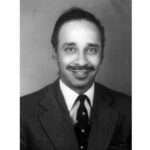
Phil Frampton, a Manchester-based writer and activist born in an Anglican institution in 1953 due to his parents’ mixed heritage relationship, expressed optimism about the apology. His Nigerian father was expelled from the UK after their relationship became known, and his British mother was sent to the Rosemundy home in Cornwall. Frampton remarked, “Many survivors will be thrilled. This is a significant victory after two decades of campaigning, provided the apology is sincere and not merely a means to protect the Church. The Church should not excuse its actions by claiming to have adhered to the morals of the time; it was meant to set moral standards, which it failed to do.”
He emphasized that both the Church and the state were key proponents of forced adoptions and should offer compensation to all survivors for their suffering. Frampton also noted that if the Church, under the new Archbishop of Canterbury, takes a transparent approach, it could pressure the UK government to issue an apology as well. He highlighted that the UK is significantly lagging in both apologizing and granting survivors access to records necessary for reconnecting with their children and parents, a crucial step towards healing.
Research led by Dr. Michael Lambert from Lancaster University has suggested that some mother and baby homes administered diethylstilbestrol, a drug linked to heightened cancer risks. Additionally, an investigation by ITV uncovered unmarked graves across England containing the remains of infants who did not survive.
During a recent session with the education select committee, children and families minister Josh MacAlister acknowledged the UK government’s involvement in historical forced adoptions and indicated that the case for a formal apology is “actively under consideration.” Apologies have already been issued by the governments of Ireland, Scotland, and Wales, as well as by the Salvation Army and the leader of the Catholic Church in England and Wales.