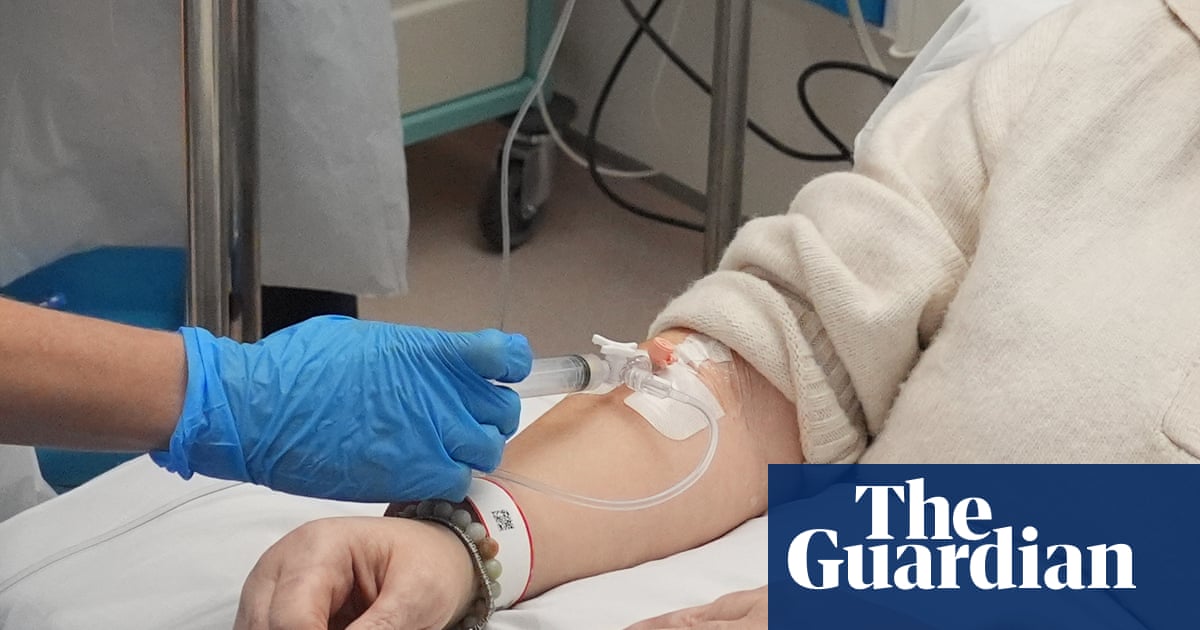

A woman who endured three serious autoimmune diseases for over ten years has experienced a remarkable improvement in her health following a groundbreaking cell therapy that reprogrammed her malfunctioning immune system.
The 47-year-old patient had undergone nine different treatments without achieving any sustainable relief before receiving the innovative therapy last year at University Hospital Erlangen in Germany. At that time, she was dependent on daily blood transfusions and ongoing blood thinners to manage her conditions.
Remarkably, within weeks of undergoing the cell therapy, medical professionals observed positive responses in all three autoimmune diseases, marking a significant milestone in her treatment and leading to substantial enhancements in her health. For the past 14 months, she has enjoyed a state of remission without the need for any ongoing treatment, enabling her to largely reclaim her normal life.
Professor Fabian Müller, who spearheaded the medical team, described the rapid and profound improvement in the patient’s condition as “remarkable,” noting that the therapy has “considerably enhanced her quality of life.” He emphasized the necessity of clinical trials to determine the longevity of this treatment and its potential applicability to other autoimmune disorders.
The woman was diagnosed with autoimmune hemolytic anemia (AIHA), a rare and life-threatening blood condition in which the body’s immune system mistakenly destroys red blood cells. During flare-ups, patients typically require both immunosuppressive medications and routine blood transfusions. In her case, conventional treatments had become ineffective. “The patient had exhausted all treatment options and would not have been able to leave the hospital due to her need for daily transfusions,” Müller explained.
In addition to AIHA, she was also battling two other autoimmune diseases. Immune thrombocytopenia (ITP) causes the immune system to attack platelets, increasing the risk of bleeding, while antiphospholipid syndrome (APS) has the opposite effect, heightening the danger of blood clots. All three conditions stemmed from dysfunctional B-cells that normally produce antibodies to combat infections.
Facing a lack of alternatives, the medical team proposed a treatment known as CAR (chimeric antigen receptor) T-cell therapy, which has shown transformative results for certain types of cancer. They extracted her white blood cells, isolated the T-cells responsible for identifying and eliminating infected or abnormal cells, and modified them to target a specific protein called CD19 found on B-cells before reintroducing them into her system.
The therapy quickly began to eliminate the errant B-cells. The woman had her final blood transfusion just one week post-treatment and was able to engage in daily activities within two weeks. Her immune system seemed to have ceased its attack on her red blood cells, and her other autoimmune conditions began to improve. When her B-cells eventually returned months later, they appeared healthy, suggesting that the therapy effectively reset her immune system. These findings have been documented in the journal Med.
Although she continues to have a low white blood cell count and slightly elevated liver enzymes, the researchers attribute these issues to her prior treatments rather than the CAR-T therapy.
Professor Ben Parker, a consultant rheumatologist at the Kellgren Centre for Rheumatology at Manchester University NHS Foundation Trust, expressed optimism regarding the patient’s favorable response to the treatment across all her conditions. “The sustained response without standard therapy indicates that an immune reset has likely occurred,” he stated, although the duration of this effect remains uncertain.
Parker, who is conducting CAR-T trials focused on lupus and similar autoimmune diseases in Manchester, noted, “Numerous trials are actively recruiting participants across various autoimmune conditions, including lupus, myositis, MS, systemic sclerosis, and vasculitis, with some already showing initial results. However, individual case reports do not establish the efficacy of treatments for broader use, highlighting the importance of conducting trials.”