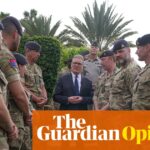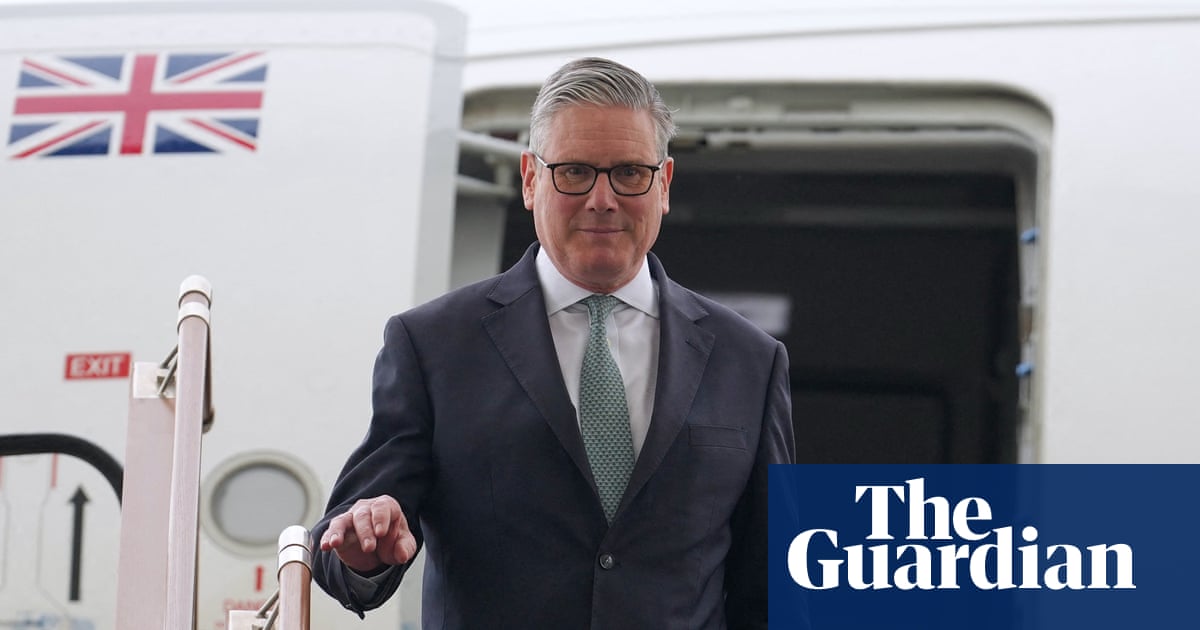

During his recent visit to the Middle East, UK Prime Minister Keir Starmer expressed that Israel’s ongoing military actions in Lebanon are unacceptable, stating, “That shouldn’t be happening. That should stop. That’s my strong view,” in an interview with ITV. Starmer emphasized the need for the conflict involving Iran to serve as a pivotal moment for enhancing the UK’s future security.
In a piece for the Guardian, Starmer articulated that the UK’s approach to the current crisis requires a significant overhaul, particularly in strengthening national defense and fostering closer ties with European partners. His remarks regarding Israel’s actions aligned with earlier criticisms from Foreign Secretary Yvette Cooper and Defense Secretary John Healey, highlighting a potential divergence between the UK and former President Donald Trump’s administration concerning the Iran situation.
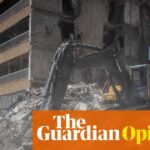
Starmer also underscored the importance of ensuring that the Strait of Hormuz remains free of tolls or fees, responding to Trump’s suggestion of a “joint venture” with Iran on the matter. While in Bahrain, where he has engaged in discussions with officials from Saudi Arabia and the UAE aimed at reinforcing a fragile ceasefire involving Iran, the US, and Israel, Starmer condemned Israel’s intensified strikes on Lebanon, which have resulted in over 250 fatalities.
Despite Israel’s announcement of upcoming negotiations with Lebanon, both Israel and the US have raised questions about whether a cessation of attacks on Lebanon forms part of the ceasefire arrangement. JD Vance, a former vice-president under Trump, suggested that this was not the case, attributing the situation to a “legitimate misunderstanding.” Starmer rejected this notion, asserting that the issue transcends technicalities and is fundamentally about principles.
UK officials have refrained from openly criticizing Trump, even after he made alarming statements regarding Iran, including a warning that “the whole civilization will die” if Tehran does not comply with US demands prior to the ceasefire. In his ITV interview, Starmer indirectly criticized such rhetoric, stating, “They are not words I would use, ever use, because I come at this with our British values and principles.”
In his article for the Guardian, Starmer reiterated the UK’s distinct trajectory regarding the conflict, declaring, “From the outset, I was clear Britain would not be drawn into offensive military action. And we were not.” He framed his choices as being in the best interest of the UK and aimed at fostering long-term resilience.
Starmer highlighted the UK’s commitment to remaining uninvolved in the conflict while simultaneously strengthening European alliances and increasing defense investments, which he described as the most significant since the Cold War. He emphasized that these strategies are not merely reactive to a single crisis but represent a shift toward a more forward-thinking approach.
He argued that previous reactions to crises like Brexit, COVID-19, and the Ukraine conflict were insufficient and insisted that the current situation with Iran must serve as a decisive turning point. “How we emerge from this crisis will define all of us for a generation,” he stated.
In the ITV interview, Starmer further articulated the necessity of enhancing relationships with European neighbors, stating, “I’m clear in my mind that that means we must be closer to the EU… to strengthen our economy and make it more resilient.” Regarding the Strait of Hormuz, he reiterated the UK’s stance on ensuring “toll-free navigation” and safe passage.
During a press conference in Westminster earlier, Defense Secretary Healey echoed concerns about the introduction of tolls, warning that such measures could set a dangerous precedent. He called for the ceasefire to encompass Lebanon and condemned the escalating violence, expressing a desire for greater stability in the region.
Later that day, at a Mansion House event in London, Cooper emphasized the need to prevent any resurgence of conflict following the ceasefire announced by Trump. Her speech highlighted the importance of ongoing negotiations, the inclusion of Lebanon in the ceasefire, preventing further threats from Iran, and ensuring the full reopening of the Strait of Hormuz.