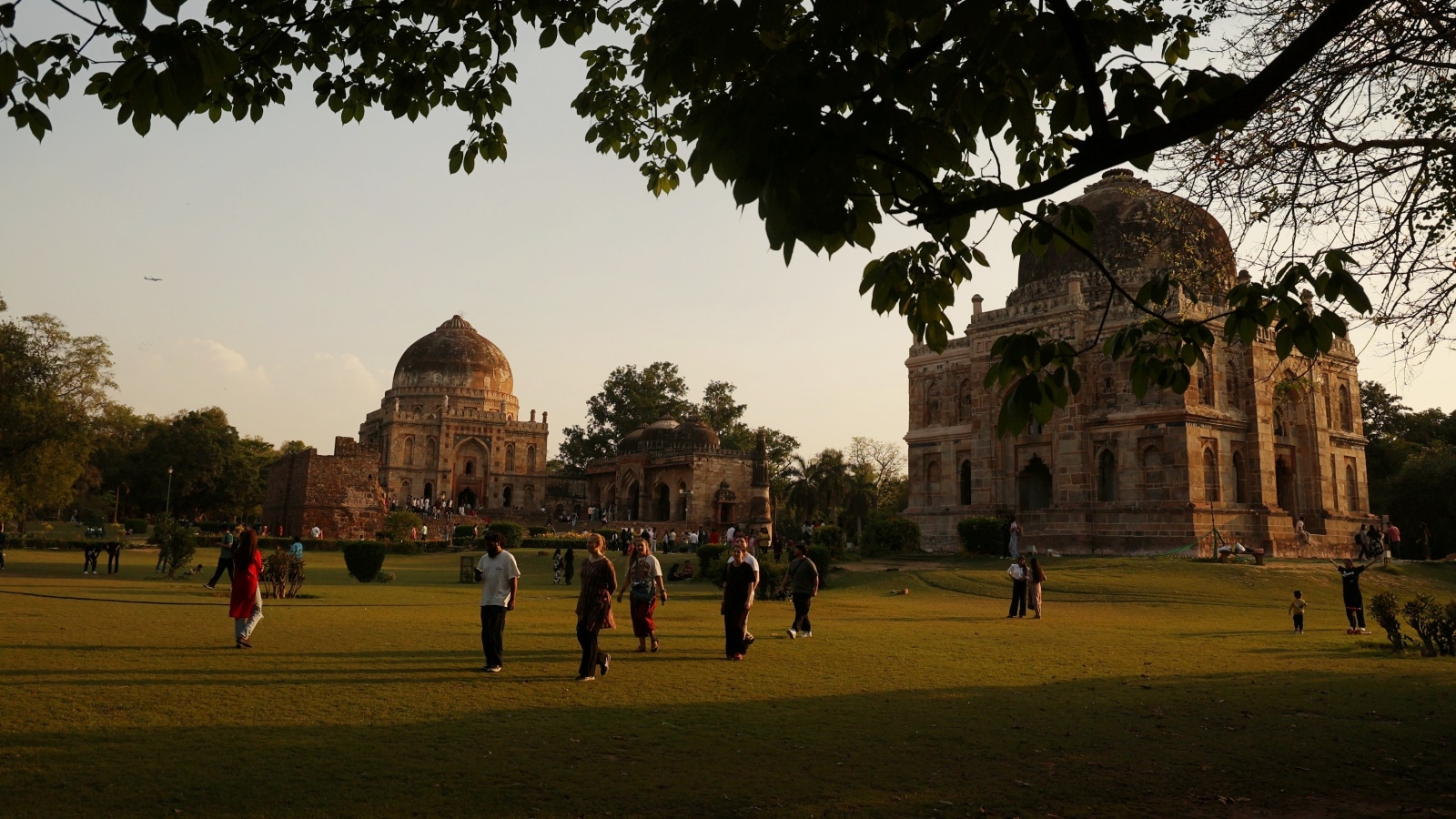

On April 9, 1936, a historic area in Delhi, which had served as the final resting place for nobles from the Sayyid and Lodi dynasties for centuries, was officially inaugurated as Lady Willingdon Park.
Fast forward ninety years, and Lodhi Garden, as it has been renamed since India gained independence, has evolved into a serene haven for many. It attracts individuals seeking a tranquil morning stroll, provides a gathering spot for book enthusiasts and reading clubs, and serves as a delightful venue for family picnics, as well as a scenic location for pre-wedding and maternity photography sessions. The garden embodies a rare tranquility that is increasingly difficult to find in the bustling city.
Covering an expansive 80 acres in the core of the capital, the garden is home to four historical monuments: the Tomb of Muhammad Shah, Bada Gumbad, Shish Gumbad, and the Tomb of Sikandar Shah. Additionally, visitors can enjoy a bamboo grove, a bonsai park, three ponds, and a diverse collection of over 5,400 trees from 210 different species.
In celebration of its 90th anniversary, a discussion was hosted on Thursday evening at the India International Centre, focusing on a broader issue—the imperative to safeguard Delhi’s delicate ecology, particularly the Aravalli range. The garden itself serves as a testament to the benefits of sustained, long-term care.
Suhas Borker, a founding member of the Green Circle Delhi, a volunteer organization, recounted how the group began its stewardship of Lodhi Garden in 1992. He explained, “Our mission was to protect and conserve the green areas of New Delhi, establishing them as a heritage precinct.”
The catalyst for their involvement was surprisingly trivial. The government unexpectedly imposed a ban on dogs in the garden, which raised concerns among pet owners. Borker, along with other dog owners, took their grievances to the new administration, ultimately overturning the rule. “That small victory inspired the creation of the Green Circle as a platform for environmental advocacy,” he noted.
Borker also shared details about the annual celebrations for the garden’s anniversary. “Each year, we host a fellowship lunch for the staff and workers who maintain the garden,” he added.
For many residents of Delhi, their connection to the garden is deeply rooted. Author and historian Rakhshanda Jalil reflected on how Lodhi Garden has been integral to her life for many years. “From picnics and school trips to family gatherings, I have been visiting here since childhood. A stroll through Lodhi Garden was part of my lunch break while working nearby,” she reminisced.
Jalil emphasized the garden’s accessibility, stating, “Anyone can easily walk in through its numerous entrances and exits.” In a city where many green spaces are restricted, this aspect is significant. Historian Swapna Liddle echoed her sentiments, describing it as “a beautiful, well-kept public garden, genuinely a communal space. It does not charge an entry fee and is welcoming to all.” Liddle also traced the garden’s history, noting that it was once referred to as Bagh-e-Jud, or “garden of bounty,” in the 13th century.
Borker highlighted the importance of the dedicated gardeners who maintain Lodhi Garden. “Fifteen or twenty years ago, we had about 120 to 130 gardeners; now, that number has dwindled to 90,” he stated, explaining that many are temporary workers filling positions left by retiring gardeners. “Training a gardener is not an overnight process; it typically requires 10 to 15 years to learn the intricacies of plant species and their care,” he added.
Additionally, a local tradition connects to the Khairpur fakir, historically regarded as the guardian of the area. Borker noted, “Every Friday, people visit to light incense and place flowers at his grave.” This site, located near the butterfly conservatory, continues to attract visitors who believe the fakir watches over the land.
Stay informed with the latest updates by following us on Instagram.