
Residents in the southern region of Western Australia are urging the state government to increase its commitment to resolving issues with the three-bin Food Organics and Garden Organics (FOGO) recycling system. Local councils south of Perth have raised concerns about the financial sustainability of this system, which is currently facing significant challenges.
The Cook government maintains that waste management is primarily the responsibility of local councils, although it has offered to provide assistance where possible. Community leaders and residents across the South West region believe that addressing the ongoing waste management crisis is straightforward but will necessitate state funding.
The FOGO system, which was introduced more than ten years ago by local councils, is on the verge of failure, with many municipalities questioning its economic viability. This initiative is part of the state government’s broader waste strategy aimed at minimizing landfill waste. However, the South West has encountered serious difficulties, particularly in local processing—an essential step in converting organic waste into commercially valuable products.
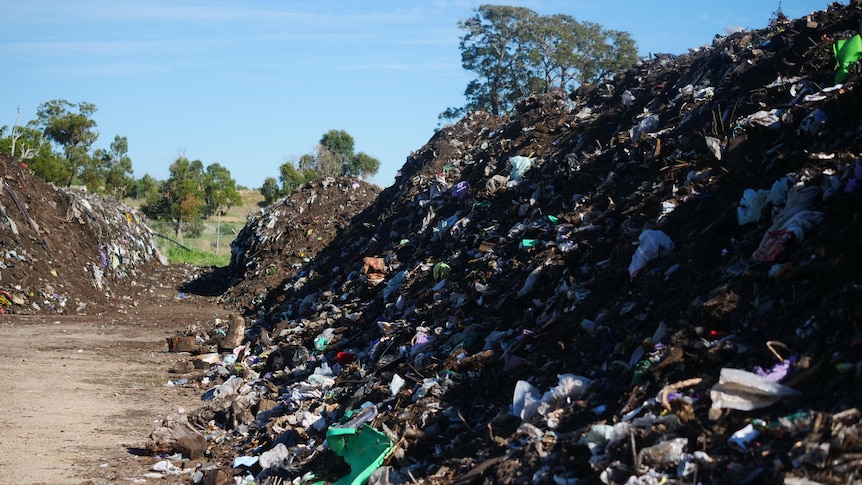
Jill Cross, a long-time resident, has noted the frustration of seeing large amounts of waste being transported to landfills near her home, rather than being processed correctly. In an attempt to support the struggling FOGO system, the WA government has proposed a subsidy of $95 per tonne for transporting FOGO waste to Perth for processing. However, the Shire of Harvey has outright rejected this offer due to high fuel costs, while the City of Bunbury is currently evaluating its financial feasibility.
Ms. Cross, who serves as the secretary of the Dardanup Environmental Action Group, criticized the short-sightedness of both councils and called for the Cook government to take decisive action. “It’s not rocket science,” she stated, emphasizing that the government has already acknowledged this as part of their strategy. She urged Minister Matthew Swinbourn to establish a processing facility in the South West, questioning why such infrastructure cannot be developed locally if it exists in Perth.
She also highlighted the importance of public education, suggesting that a campaign similar to the Quit or Containers for Change initiatives could help improve participation in waste sorting. This sentiment was echoed by listeners of the ABC South West Breakfast show, who pointed out that residents’ reluctance to sort their waste properly undermines the effectiveness of the FOGO system.
“I no longer throw my 10-cent containers into recycling or waste; I save them for refunds. I understand the health risks of smoking because of public campaigns,” Ms. Cross remarked, underscoring the need for enhanced educational efforts.
Opposition Environment spokesperson David Bolt also concurred that education is crucial but stressed that it has its limitations. He noted that even a small percentage of improperly sorted waste can compromise an entire load of FOGO materials. “If someone’s bin is full and they have no other option, we know where that waste will end up,” he said.
Having previously served as president of the Murray Shire, Bolt is familiar with the region’s waste management challenges. He advocates for the exploration of waste-to-energy solutions, acknowledging that while they may be costly, they should be considered a component of a long-term waste management strategy. A pilot waste-to-energy facility that opened in Kwinana last year is designed to process over 400,000 tonnes of waste annually, generating approximately 38 megawatts of power in the process.
Bolt emphasized that state intervention is necessary, regardless of the waste management solution selected. “Waste-to-energy isn’t the sole solution, but it’s certainly an option we need to explore,” he stated. He further noted that the state has the authority to establish standards and should prioritize regional funding to support a viable processing facility.
In response to these concerns, Environment Minister Matthew Swinbourn indicated that the government’s recent offer of $4.5 million in funding reflects an increase from previous allocations. “Providing effective waste services remains a fundamental duty of local government,” he said, adding that the government will continue to collaborate constructively with councils in the South West as they explore their options.