
Gardeners, known for their resourcefulness, often adopt a frugal approach to their craft. While some may invest significantly in high-quality tools like secateurs or sturdy footwear, many still favor budget-friendly options, such as a reliable spade from a car boot sale. The practice of dividing certain perennials and saving seeds for future planting is also common among enthusiasts. This frugality often leads to frustration with the plethora of plastic items sold in garden centers, which frequently have little relevance to genuine gardening. An old-school garden writer once remarked that placing annuals in a window box is more akin to shopping than actual gardening.
Nevertheless, there are several commercially-oriented events that I eagerly anticipate, reminiscent of my excitement for the Clothes Show at Birmingham NEC during my teenage years. This month is particularly rich in such events.
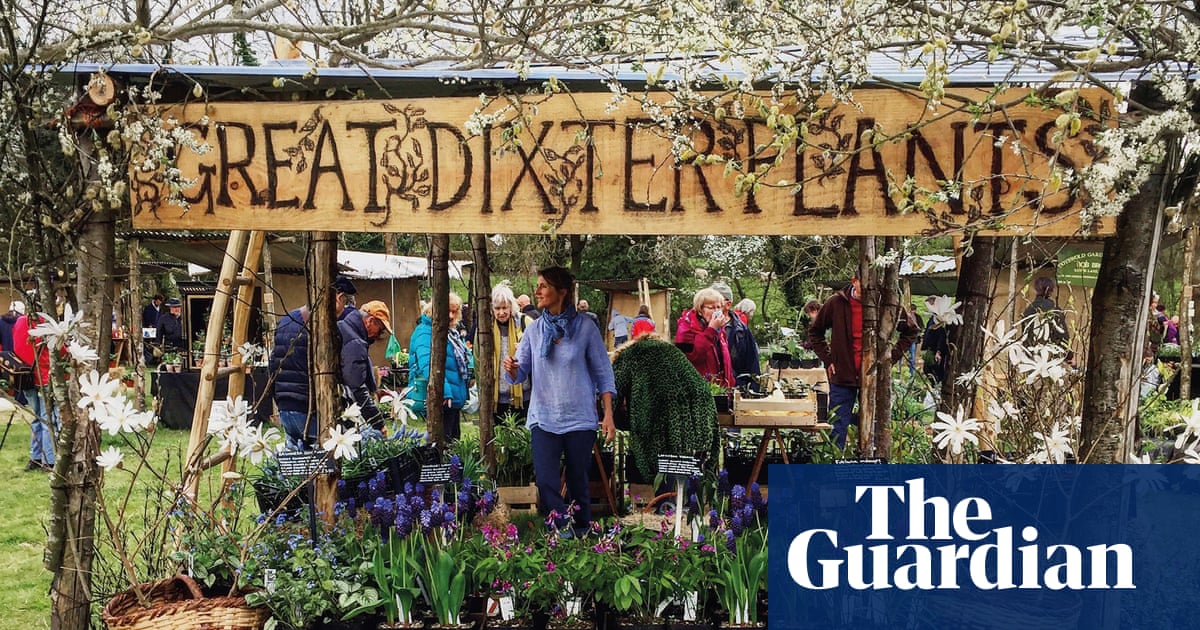
This weekend marks the Great Dixter spring plant fair. The vibrant and innovative garden in East Sussex, originally designed by Christopher Lloyd in the 1950s and now expertly maintained by Fergus Garrett, humbly refers to this event as a “small plant fair.” However, many avid plant enthusiasts I know make it a priority in their schedules. The fair features a selection from specialized nurseries, and this year, attendees can even have their soil analyzed under a microscope.
The following weekend, many of the same nurseries will participate in the spring plant fair at the Garden Museum in London. While advance tickets tend to sell out quickly, there will be opportunities for those willing to wait in line at the entrance.
Regrettably, I won’t be able to attend either event, as my garden is set to undergo significant renovations. However, I am determined to be present next year. Similar to navigating an antiques fair or exploring a foreign supermarket, shopping at a plant fair can be both thrilling and overwhelming. It’s easy to lose focus amidst the excitement.
I find it helpful to compile a list of areas in my garden that require new plants. This could include a challenging dry, shady spot beneath a tree, a consistently damp corner where plants struggle to thrive, or a sunny new terrace. It’s important to consider how much space you need to fill and what plants are already present, as these are common inquiries from vendors, whose expertise can be invaluable.
Keep your color palette in mind as you shop. If you’re uncertain about your scheme, reflect on your favorite plants in the garden and let those guide your choices. Additionally, avoid purchasing single specimens; instead, opt for plants in odd-numbered groups—threes or fives—to create rhythm and repetition in your garden beds. Lastly, be prepared to break these guidelines for a truly exceptional find; that spontaneity is part of the joy of gardening.