
Each morning during my walks, I frequently encounter elderly individuals engaged in lively conversations. Many of these seniors live independently, with their children having moved abroad or relocated outside of Delhi. While they may not know my name, they often attempt to strike up conversations with me, sometimes sharing their thoughts and feelings.
I find it easy to empathize with them as they are of a similar age to my own parents. A significant number of them face challenges, particularly when it comes to technology. Difficulties can range from making video calls on WhatsApp to navigating various applications, dealing with sluggish phone performance, and ensuring their digital security to avoid online scams. Even the basic act of holding a smartphone can pose a challenge. If you are observant, you might notice that these common technological hurdles affect many elderly individuals, yet they often go unnoticed. This raises the question: is it enough to simply provide our parents with a smartphone?
This is why I consistently advise my readers to select the right phone for their parents, rather than just any device. However, many still opt for unsuitable models. I made a similar error in the past by giving my parents a phone overloaded with unnecessary software, which quickly became slow and frustrating for them.
This experience made me realize that our parents deserve high-quality devices—not just inexpensive options. When I receive calls from older family members, I understand that they are not necessarily looking for a budget phone; they want a reliable device that performs well, lasts long, and minimizes the need for frequent repairs.
In this context, the Google Pixel 10a seems to be an ideal smartphone for seniors. Its straightforward design makes setup easy, it is lightweight, free from unnecessary software, has a good camera for photos and video calls, and boasts impressive battery life. While it isn’t a flagship model, it is reasonably priced and offers good value.
After spending several weeks with the Pixel 10a, I believe Google has successfully created a phone that caters to seniors or anyone seeking a long-lasting device without the need for frequent upgrades, which I consider more of a marketing tactic.
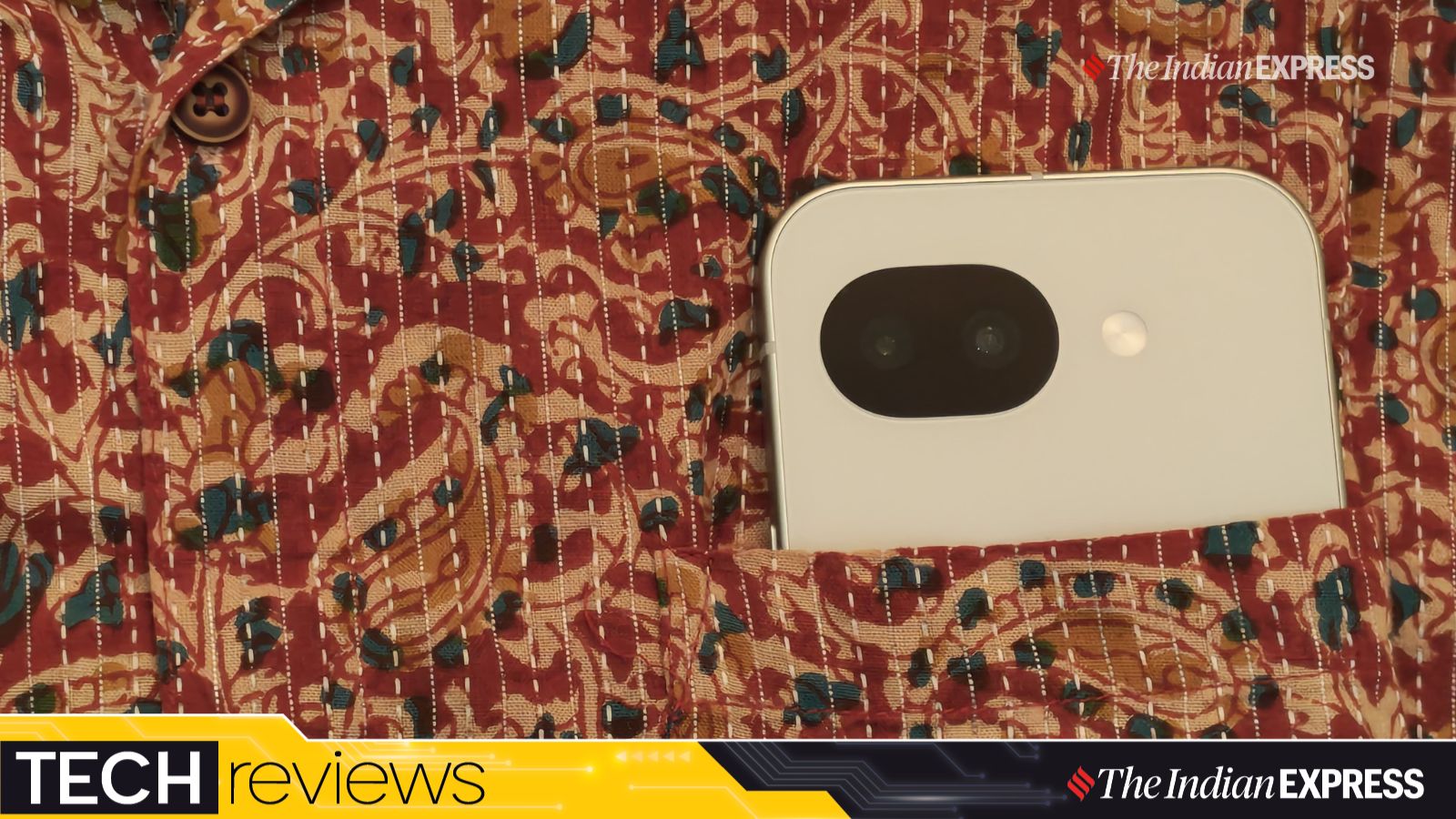
Each time I used the Pixel 10a, I was impressed by its user-friendly design. It fits comfortably in pockets, bags, or purses, making it convenient whether you are strolling in a park, browsing social media, or checking messages quickly.
The phone features a compact design by today’s standards, with a 6.3-inch screen that strikes a balance between usability and comfort. I personally prefer devices in the 6.1 to 6.3-inch range for their manageable size.
The Pixel 10a’s aesthetic is clean and visually appealing, especially in the white variant I reviewed. The flat metal frame contributes to its durability, while the buttons on the right side are large and easy to use. The SIM card slot is located on the opposite side, and the bottom of the phone features neat cutouts for the speaker and microphone.
In comparison to last year’s Pixel 9a, the basic design of the Pixel 10a remains largely unchanged, with the only noticeable difference being the reduced camera bump, which now sits almost flush against the back. This allows the phone to lie flat on surfaces without wobbling, a feature that is becoming increasingly rare.
The last compact phone I used was the iPhone 13 mini. Although Apple continues to support smaller devices with the iPhone 17e, it primarily caters to users within its ecosystem. Currently, few brands prioritize compact smartphones, making the Pixel 10a a notable exception.
The 6.3-inch pOLED screen is well-suited for everyday use. I often observe seniors enjoying bhajans on YouTube, listening to Gurbani, or even playing games like Candy Crush. The screen’s peak brightness has been improved to 3,000 nits, enhancing outdoor visibility. Additionally, the phone features a smooth 120Hz refresh rate, which provides a fluid experience, especially on social media platforms.
In contrast, the iPhone 17e’s 60Hz display feels somewhat sluggish. The dual-speaker system on the Pixel 10a delivers balanced audio, making it suitable for watching videos without the need for headphones.
Performance-wise, there is no compromise. The Tensor G4 processor, developed by Google, ensures that the phone operates swiftly and efficiently for daily tasks. Users can multitask and run applications without issues, though it is important to note that it is not designed for high-end gaming.
The device comes with a generous 256GB of storage as standard, which should suffice for most users, along with additional cloud backup options. The 8GB of RAM is adequate for regular use, though it may not compete with the most powerful smartphones on the market.
To my surprise, the battery life of the Pixel 10a exceeded my expectations for a compact phone. During my two-week evaluation, the 5,100mAh battery comfortably lasted throughout the day, and I believe it could last nearly two days for lighter users. It’s refreshing to see compact phones finally achieving good battery performance. Google has also increased wired charging from 23W in the 9a to 30W in the 10a, while wireless charging has been upgraded from 7.5W to 10W with a compatible Qi charger. You won’t need to carry a power bank on a lengthy train journey.
I appreciate Pixel devices for their straightforward and user-friendly interface. The Pixel 10a comes without unnecessary pre-installed applications, commonly referred to as bloatware, which can slow down performance.