
In recent weeks, Israel has escalated its military operations in Lebanon, prompting a muted response from the United States, which has focused its attention on Israel’s actions in Gaza and its engagement with Iran. Lebanon has not been a priority for American officials during this period.
However, developments on the ground are forcing the US to reconsider its stance. On Wednesday, Israel executed an unprecedented wave of airstrikes, conducting 100 bombings within a mere ten minutes. This assault is among the deadliest actions in Lebanon since the end of its civil war in 1990.
The operation, ominously termed Operation Eternal Darkness, struck densely populated areas, including central Beirut, resulting in significant civilian casualties without any forewarning. Lebanese officials report that at least 357 individuals lost their lives and over 1,200 sustained injuries, with many more feared trapped under debris.
Israel maintains that its strikes were aimed at militants, echoing similar justifications made during its ongoing conflict in Gaza, where a United Nations Commission of Inquiry has accused it of committing acts of genocide. The US has traditionally accepted Israel’s explanations, a trend that has continued under both the Trump and Biden administrations.
Israeli officials indicated that their strikes targeted locations not associated with Hezbollah, asserting that movements by the militant group were the rationale for the bombings. This escalation occurred during a critical ceasefire period, which was reportedly facilitated by Pakistan and included provisions for Lebanon.
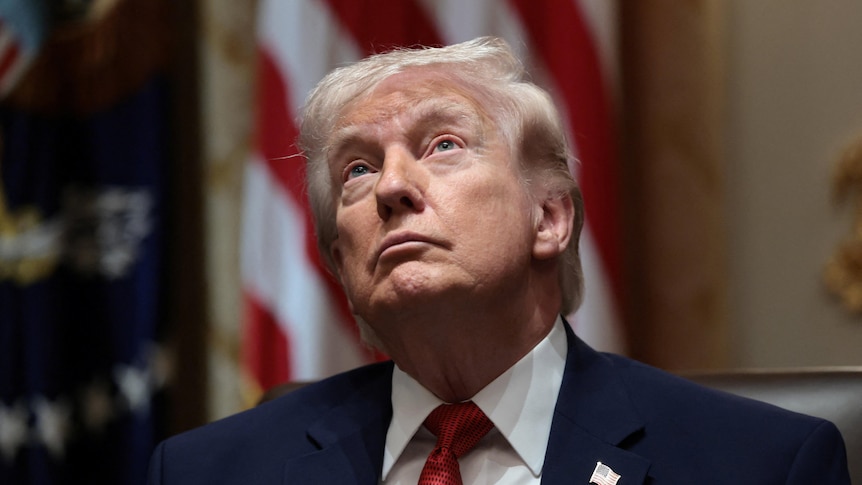
As a result of these military actions, the fragile ceasefire has come under severe strain, compelling Washington to reassess its previous silence regarding Lebanon’s situation. Last month, President Trump addressed inquiries about the Israeli strikes in Lebanon, citing information from an influential Lebanese-American individual who suggested that attacks were occurring in areas where Hezbollah operates. Trump labeled Hezbollah as a significant issue but did not express concern for the civilian toll, stating that people in Lebanon have become accustomed to such violence, similar to the situation in Ukraine.
On another occasion, Trump mentioned discussions with Israeli leaders about a potential invasion of Lebanon, which highlighted his lack of understanding regarding life in the country. Despite a previous reluctance to comment, Trump’s remarks reflected the US’s endorsement of Israel’s objectives in Lebanon.
Israel has since clearly articulated its intentions to establish a presence in southern Lebanon. In recent weeks, the Trump administration has sought to distance itself from the situation, sidestepping inquiries about whether it was supporting Israel’s military actions.
US military assistance and diplomatic backing have always been crucial to Israel’s operations in both Lebanon and Gaza. Michael Wahid Hanna, a US program director at the International Crisis Group, pointed out that Israeli military actions are often conducted using American aircraft and munitions, emphasizing the deep-rooted alliance between the two nations. Despite international criticism, which is rarely voiced, the US has mechanisms to exert pressure on Israel when its actions conflict with American interests.
When the US has intervened, it has done so with specific requests. Earlier this year, the US ambassador to Lebanon disclosed that Washington had asked Israel to avoid targeting Christian villages in southern Lebanon, although no guarantees were made by Israel.
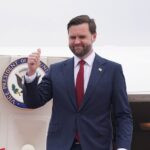
This request came shortly before reports surfaced indicating that Israeli military officials were encouraging Christian and Druze communities to expel Shiite Muslim residents seeking shelter among them. Currently, US officials, including Vice President JD Vance, have suggested that Israel should exercise restraint in its actions in Lebanon, while Trump has urged a reduction in the intensity of the strikes, which he previously characterized as a minor conflict in the broader context of the Iran war.
Overall, Hanna noted that the US remains aligned with Israeli policies regarding Lebanon, with Washington actively advocating for the disarmament of Hezbollah and urging the Lebanese government to take actions that could risk reigniting civil conflict.
Furthermore, Hanna pointed out that the effectiveness of US diplomacy in the region has diminished, leading to a chaotic and disorganized approach to navigating ceasefire negotiations, particularly given the urgency imposed by the president’s self-imposed deadlines.
As the situation evolves, Israeli Prime Minister Benjamin Netanyahu has hinted at the possibility of initiating peace talks with Lebanon.