
Drone footage has unveiled an expansive estate in northern Hungary, featuring well-kept gardens, a swimming pool, and an underground garage. However, it was the sight of zebras racing across the countryside that truly captivated the nation.
The property in question is owned by the father of Prime Minister Viktor Orbán, highlighting the significant wealth accumulated by those close to him, even as many Hungarians face economic hardship. The zebras, which originated from a nearby estate owned by Lőrinc Mészáros, Orbán’s close friend and Hungary’s wealthiest individual, quickly became a cultural phenomenon. Plush toys resembling zebras appeared at protests, people shared videos of their attempts to find the animals, and images of zebras began to appear on government billboards.
“They have come to symbolize the rampant corruption pervasive in the entire system,” stated Ákos Hadházy, an independent member of parliament who organized “safari tours” to the region last fall in protest.
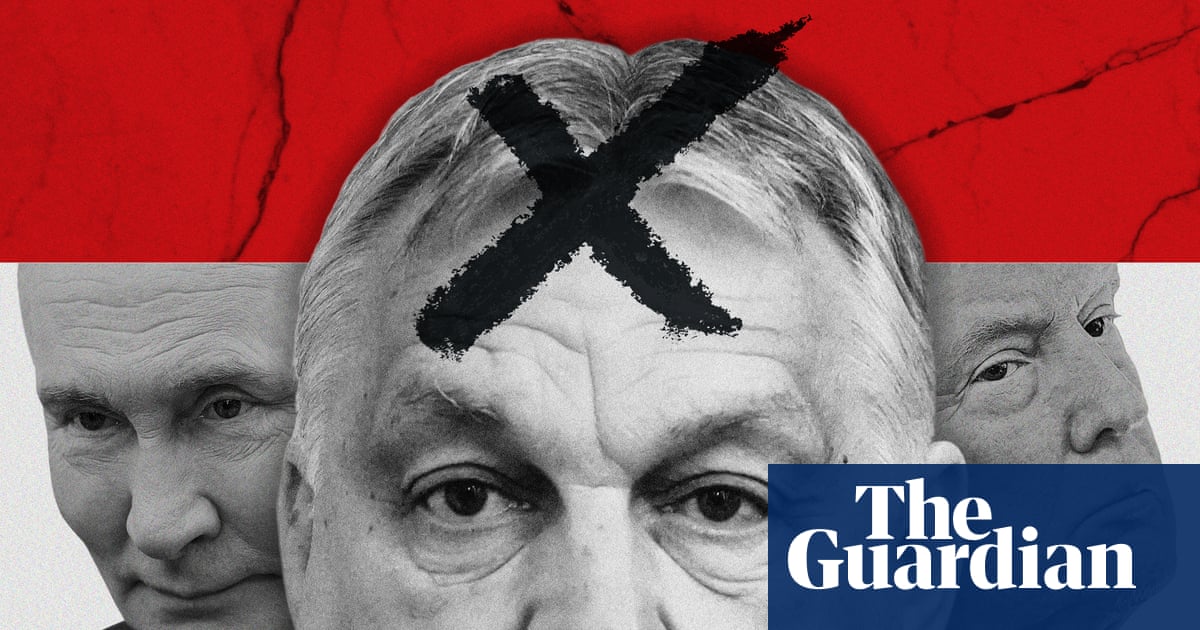
This unrest is part of a growing opposition movement that may threaten Orbán’s 16-year reign. The extent of this movement will be revealed on Sunday when Hungarians participate in an election considered one of the most significant since the nation transitioned to democracy in 1990.
Current polling indicates that Orbán and his Fidesz party, known for establishing Hungary as a “petri dish for illiberalism,” could potentially lose their grip on power. Such a development could have implications for far-right movements globally and alter Hungary’s tense relationship with the European Union. However, supporters of the opposition express concerns that polling may underestimate Fidesz’s support or that Orbán may devise a strategy to retain power even if he loses.
The election coincides with the 23rd anniversary of Hungary’s overwhelming vote to join the European Union. “On April 12, voters are not merely choosing between parties; they are determining Hungary’s direction, identity, and future,” Anita Orbán, who is not related to the Prime Minister, articulated on social media. “In many ways, this election serves as a referendum on Hungary’s return to European values.”
This situation reflects the dramatic shifts in Hungary since Orbán assumed power in 2010. Zoltán Kész, a former member of Fidesz, described the developments as a “slow-motion coup,” reliant more on legal maneuvers and clientelism than on military force.
The right-wing populist administration has systematically undermined the checks and balances essential for democracy, manipulating electoral laws to favor its agenda, placing loyalists in control of around 80% of the media, and reshaping the judiciary.
The lived experiences of Hungarians illustrate this reality, from university professors losing their jobs for opposing the government to music venues being shut down for hosting artists who supported the opposition, and journalists witnessing their newsrooms becoming government propaganda outlets following ownership changes.
While economic growth once led many to overlook these issues, rising inflation due to Russia’s invasion of Ukraine and subsequent economic stagnation have sparked growing discontent regarding the disconnect between the ruling elite and ordinary citizens.
Amid this backdrop, Péter Magyar, a former member of Fidesz’s inner circle, began voicing concerns. He accused Orbán’s party of masquerading as defenders of the populace while misappropriating state resources. His new political party quickly gained prominence as corruption emerged as a top voter issue.
Magyar’s party has maintained its lead despite government efforts to prohibit Pride events and intensify restrictions on independent media and NGOs.
Magyar faces challenges evident throughout Hungary, including government-funded, AI-generated billboards portraying him as a threat to national interests and a puppet of the EU and Ukrainian President Volodymyr Zelenskyy.
This election pits fear against hope, as noted by a Hungarian news outlet. Orbán, whose government did not respond to interview requests, has portrayed the war in Ukraine as Hungary’s primary threat, casting himself as the sole leader capable of maintaining peace. Conversely, Magyar has focused on domestic issues, vowing to combat corruption, allocate resources to neglected public services, and mend Hungary’s strained relationship with the EU.
A two-minute video released in January underscored the international significance of this election in a country of fewer than 10 million people, which contributes 1.1% of the EU’s GDP.
Numerous right-wing leaders, including Italy’s Giorgia Meloni and Matteo Salvini and France’s Marine Le Pen, have publicly supported Orbán, commending the path he has charted in Hungary. “Europe needs Viktor Orbán,” proclaimed Germany’s Alice Weidel, co-leader of the far-right Alternative für Deutschland (AfD), in the video.
This week, Orbán’s extensive influence was further highlighted as JD Vance arrived in Budapest, signaling the election’s far-reaching implications.