
On September 15, 1911, a significant gathering took place in Bombay as crowds celebrated the arrival of the SS Salsette, which was returning with a historic group—the inaugural all-India cricket team. Prashant Kidambi, an academic and author, notes in Cricket Country that this tour represented the aspirations of a rare alliance between Indian and imperial elites. It had taken over a decade and three unsuccessful attempts for an “Indian” cricket team to finally make its mark on the cricketing arenas of imperial Britain.
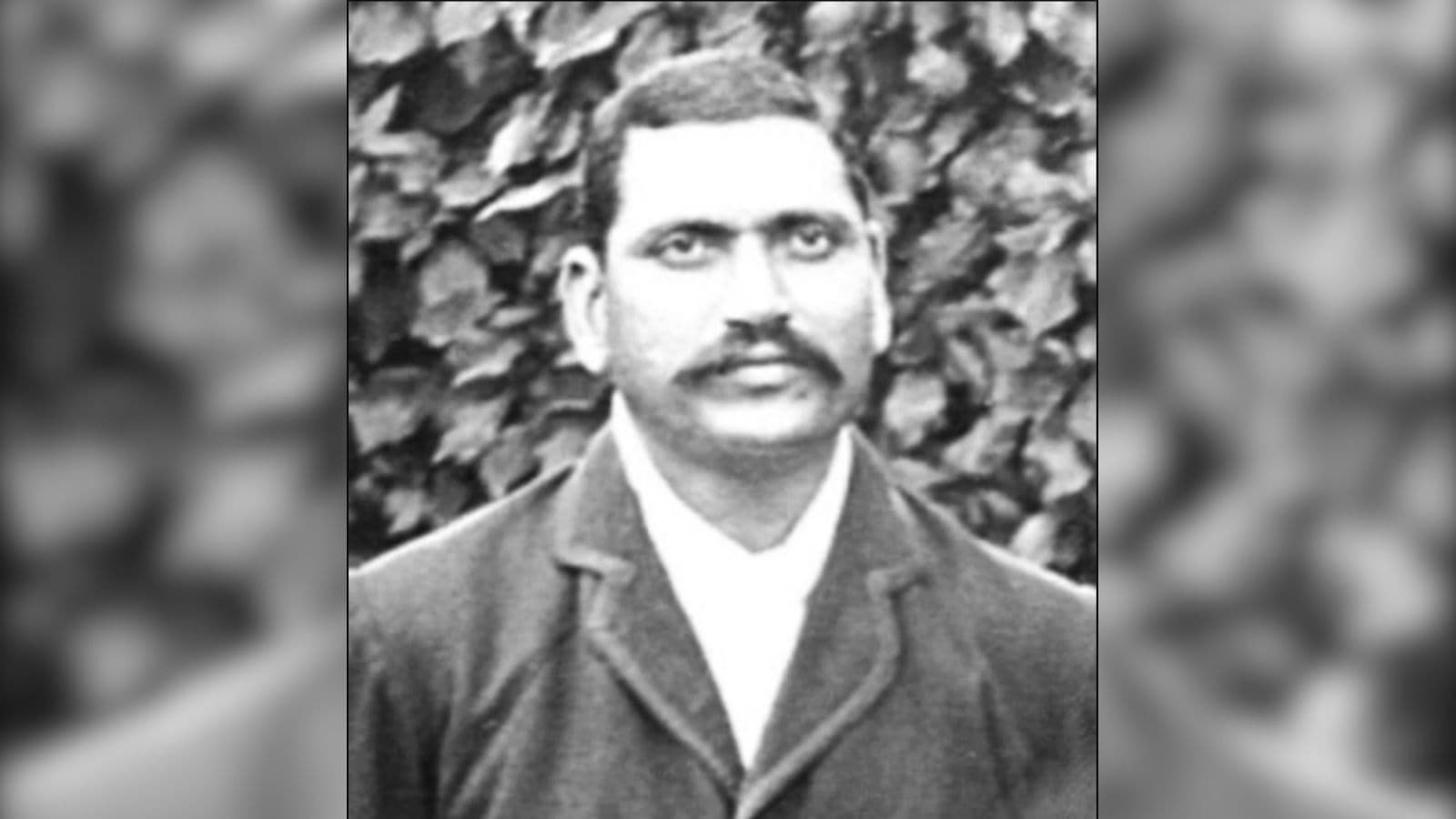
The standout player of the moment was Palwankar Baloo, a left-arm bowler hailing from Maharashtra and belonging to the Dalit community. His performances surpassed those of his upper-caste teammates, marking a proud achievement for both the nation and his community. Historian and cricket enthusiast Ramachandra Guha, in his book A Corner of a Foreign Field: The Indian History of a British Sport, describes Baloo as a spinner of exceptional talent, paving the way for future renowned Indian slow bowlers like Vinoo Mankad and Bishan Bedi.
Guha recounts that Baloo was honored at a ceremony organized by the Depressed Classes of Bombay, where a young college student named Bhimrao Ramji Ambedkar, who was unknown at the time, delivered the welcome address. Eleanor Zelliot, a leading historian on Untouchability, remarked that this marked Ambedkar’s first public appearance. Baloo, through his cricketing prowess, had become a symbol of hope and inspiration for many in the Untouchable community, including the young Ambedkar.
Despite his legendary status, Baloo’s contributions have largely faded from contemporary memory, overshadowed by his lower-caste background. Born in July 1875 as the eldest of four sons in a family of chamars, a Dalit group known for leather work, Baloo had two brothers, Shivram and Vithal, who were also celebrated cricketers. The youngest brother, Ganpat, showed great promise but tragically passed away at the age of 27.
Baloo’s journey in cricket began in Poona, where his father served in the military, either at an ammunition factory or as a sepoy in the 112th Infantry Regiment. It was here that Baloo and his brother Shivram learned cricket using discarded equipment from army officers. Baloo’s first employment was at a Parsi-run cricket club, where he earned a modest salary of Rs 3 per month while maintaining the grounds and occasionally bowling to club members.
A pivotal moment in Baloo’s career came when he joined the Poona Club, which compensated him with Rs 4 for rolling the pitch, setting up nets, and bowling to members, including the prominent English cricketer Captain J G Greig. Through extensive practice with Greig, Baloo honed his bowling skills, garnering attention from various cricket circles. However, the inclusion of a chamar in the Hindu team sparked controversy among his peers. Greig advocated for Baloo’s inclusion, arguing that it would be unwise to overlook his talent.
Baloo went on to play for the Poona Hindus, contributing to several victories, yet he faced constant reminders of his caste status. During tea breaks at matches, he was served refreshments outside the pavilion, using disposable clay vessels, while his teammates enjoyed porcelain cups. Despite these humiliations, he consistently took wickets, leading the Poona Hindus to triumphs against both local and European teams.
Following a notable victory, Baloo received accolades from notable figures like scholar Mahadev Govind Ranade and nationalist leader Bal Gangadhar Tilak. While the caste system’s divisions continued to affect the Palwankar family, their cricketing abilities began to earn them respect from the more orthodox segments of Poona society. As reform movements gained momentum in India, including Mahatma Gandhi’s vocal stance against untouchability, Baloo’s family continued to make strides in the sport.
In 1923, Baloo’s brother Vithal made history as the first Dalit captain of the Hindus cricket team in the prestigious Bombay Quadrangular championship, leading the team to three victories. Although Baloo was barred from entering the Poona Club’s pavilion, Vithal received the Quadrangular trophy there, attracting numerous accolades and celebrations for their achievements in a sport traditionally dominated by Europeans.
Baloo demonstrated loyalty to Gandhi’s vision, believing that Gandhi’s appeal to upper-caste individuals to treat the Depressed Classes with respect would lead to meaningful change. In contrast, Ambedkar argued that genuine reform could only occur outside the confines of Hinduism.
When Gandhi undertook a fast in Yerawada Jail in opposition to the Communal Award of August 4, 1932, which proposed separate electorates for ‘untouchables’, it set the stage for further discussions on caste and representation in India. Baloo’s legacy, intertwined with the broader narrative of social reform, continues to resonate within the context of Indian history.