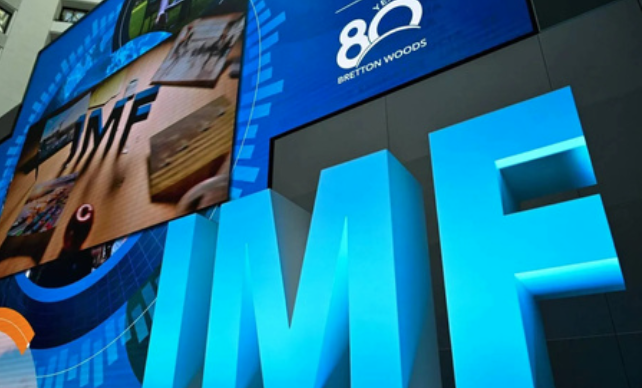

Sri Lanka’s economic recovery narrative received a fresh boost this week -with the International Monetary Fund reaching a staff-level agreement to release the next tranche of funding.
The number being spoken about is roughly $700 million.
On the surface, this is progress. A country that defaulted in 2022, now inching forward under a structured recovery programme.
But beneath the headline lies the harder truth.
This money is not a reward. It is conditional survival.
The IMF has made it clear – reforms must continue. Fuel pricing must reflect cost. Power tariffs must rise. Fiscal discipline must hold.
In other words, the burden continues to fall where it always does – on the consumer.
Sri Lanka today is operating within a tight economic corridor. Growth is returning. Inflation has stabilised. Revenue collection is improving.
But the external environment is turning hostile again.
Middle East tensions are pushing up energy prices. Supply chains remain fragile. And for a country still heavily dependent on imported fuel, the margin for error is thin.
The government, therefore, is playing a delicate game.
Keep the IMF onside. Keep the public from tipping over.
Because while macro indicators may show improvement, the lived reality tells a different story – higher bills, tighter liquidity, and a population still adjusting to a new cost structure.
So yes, the IMF deal matters. But the real question is this:
Is Sri Lanka stabilising – or simply surviving under supervision?
ECONOMY SHOWS SIGNS OF LIFE – BUT IS IT BROAD-BASED?
There are signs – visible, measurable, and encouraging – that Sri Lanka’s economy is beginning to move again.
The Colombo Stock Exchange has rallied, driven by renewed investor confidence and broad-based buying.
Tax revenues are also showing strength, with the Inland Revenue Department recording a strong start to the year – a sign that fiscal consolidation is taking hold.
On paper, this is exactly what recovery should look like. Markets up. Revenues up. Confidence returning.
But here is where the story becomes more nuanced. Because economic recovery is not just about markets. It is about distribution.
At the same time that equities rise and revenues improve, ground-level pressures remain – rising costs, strained household budgets, and uneven income recovery across sectors.
Add to this the global picture.
The World Bank now expects South Asia growth to slow, citing Middle East instability and energy disruptions – factors that will directly impact Sri Lanka’s fragile recovery trajectory.
So the question becomes sharper.
Is Sri Lanka experiencing a recovery – or a selective rebound?
Because if growth is concentrated in markets and macro indicators, while households continue to struggle, then the recovery narrative risks becoming disconnected from reality.
And that is where policy must now move. From stabilisation… to inclusion.