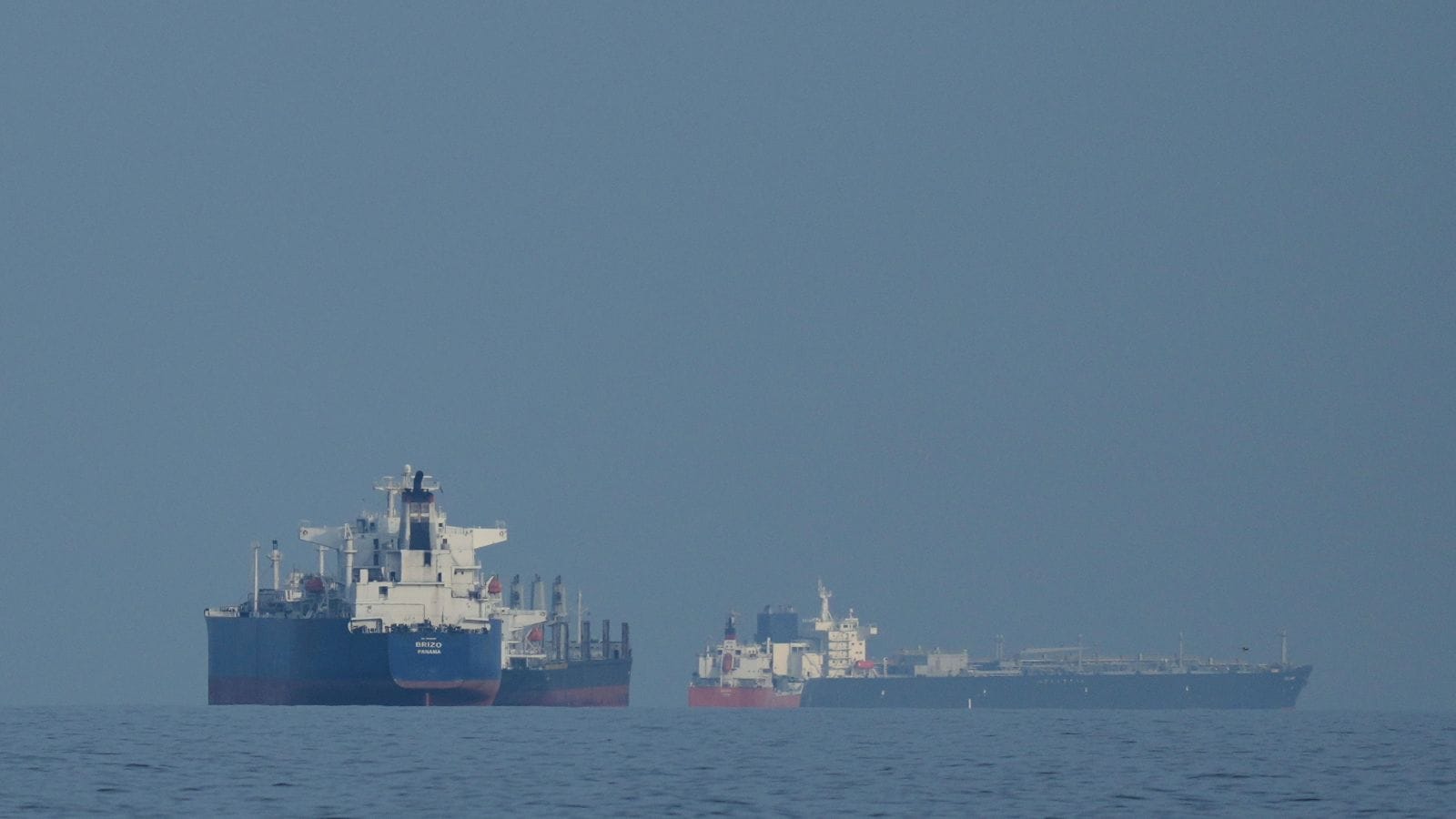

Iran’s efforts to control the Strait of Hormuz have encountered significant obstacles, particularly in its ability to identify and remove the mines it has laid in the waterway. According to U.S. officials speaking to The New York Times, inadequate mapping and the movement of these devices have made it improbable for shipping operations to quickly return to normal.
This situation has become a pivotal topic in ongoing negotiations in Islamabad, where the reopening of the strait is linked to a potential ceasefire. The U.S. has pressed Iran to expedite the reopening of this critical maritime route to facilitate increased shipping traffic. However, Iran has indicated that any boost in movement would be hampered by “technical limitations,” which U.S. officials interpret as a sign of Iran’s challenges in effectively clearing the waters.
Delegates from both Iranian and U.S. teams have convened in Islamabad for discussions, with shipping access being a primary focus. Former President Trump has called for the immediate reopening of the Strait as a condition for a ceasefire. The U.S. delegation is headed by Vice President JD Vance.
Iranian Foreign Minister Abbas Araghchi stated that the strait would be accessible for traffic, albeit with “due consideration of technical limits,” a remark that U.S. officials see as an acknowledgment of Iran’s current inability to ensure safe passage.
The possibility of increasing shipping activity is contingent upon how swiftly Iran can detect and neutralize the mines or establish dependable navigation lanes.
Reports indicate that Iran utilized small vessels to deploy mines following the commencement of strikes on February 28, which disrupted tanker movements and resulted in rising oil prices. Iran has maintained a narrow passage for vessels that are willing to pay a toll for safe passage.
The Islamic Revolutionary Guard Corps has alerted vessels to potential collision hazards, and some local semi-official media outlets have released maps of routes deemed safe. However, these routes are limited, resulting in reduced traffic levels and increased insurance and transit expenses.
Clearing nautical mines is a considerably slower process than deploying them. Officials have noted that crews did not document every mine’s placement, and some devices have drifted from their original locations, rendering known minefields unreliable.
Although the U.S. Navy employs specialized ships for mine clearance, their capacity is restricted. On the other hand, Iran lacks the necessary equipment and trained personnel to expedite large-scale clearance operations.
Until Iran can broaden its clearance efforts, it will be unable to confirm safe passage through one of the world’s most vital oil transit points.
The Express Global Desk at The Indian Express provides reliable, verified coverage of significant international events influencing global politics, policy, and migration trends. It emphasizes stories pertinent to both Indian and global audiences, merging breaking news with comprehensive analyses.
One of the desk’s primary focuses is U.S. immigration and visa policies, including updates on student visas, work permits, residency options, executive actions, and judicial decisions. It also closely monitors Canada’s immigration and visa regulations, highlighting changes in study permits, post-study work opportunities, and permanent residency programs affecting migrants and international students.
All reporting from the Global Desk adheres to The Indian Express’ stringent editorial standards, drawing on official data, government releases, court documents, and verified sources. The desk prioritizes accuracy, clarity, and accountability, empowering readers to navigate complex global systems with confidence.
Core Team
The Express Global Desk is managed by a team of seasoned journalists and editors with profound expertise in international relations and migration policy:
Aniruddha Dhar – Senior Assistant Editor with extensive experience in global affairs and editorial leadership.
Nischai Vats – Deputy Copy Editor specializing in U.S. politics and immigration policy.
Mashkoora Khan – Sub-editor focused on global developments, particularly in Canada’s visa and immigration policies.
Stay updated with the latest – Click here to follow us on Instagram.