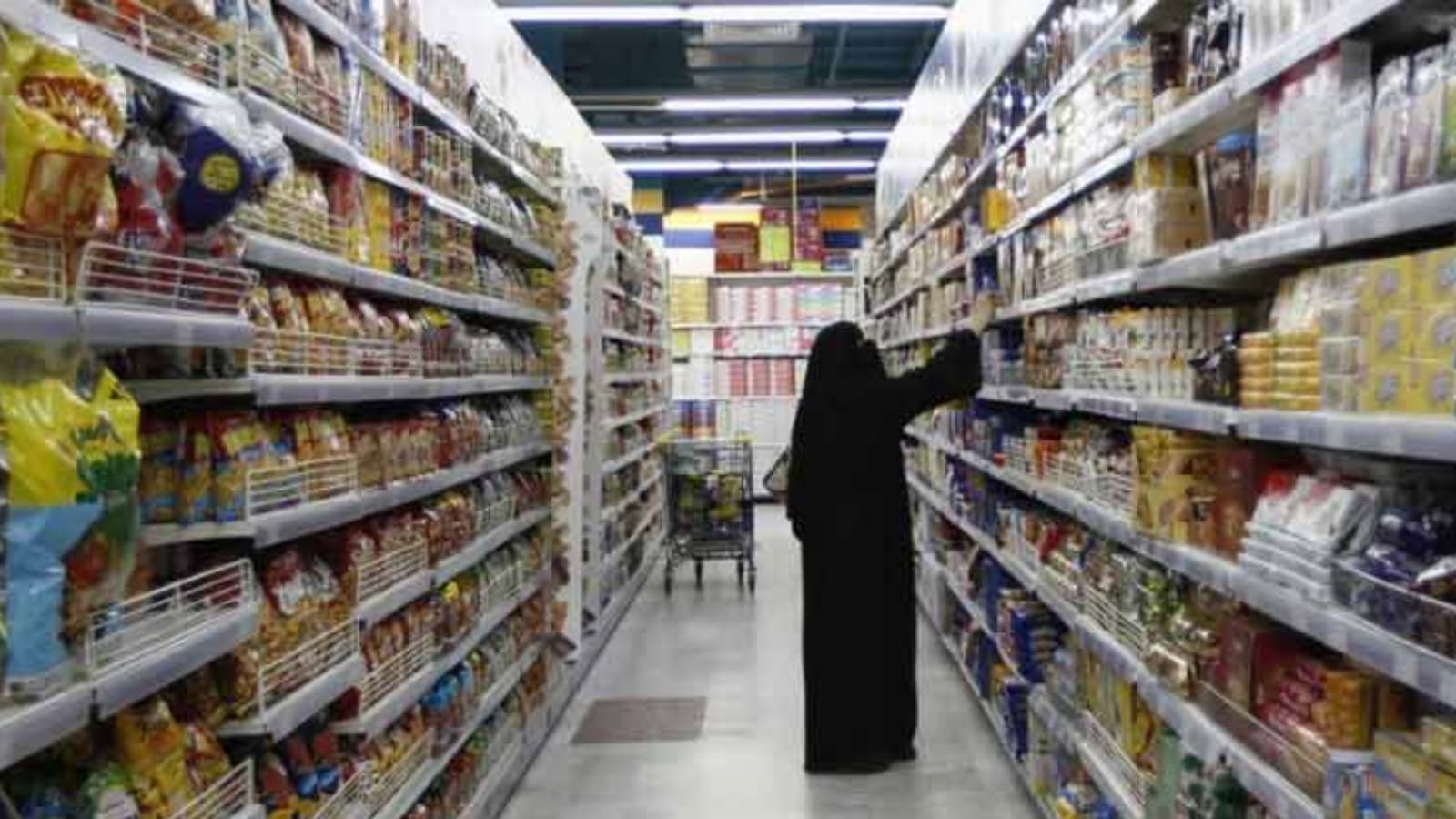

The ongoing conflict in West Asia has severely disrupted supply chains, leading to a significant shortage of packaging materials for Nestlé India. This shortage has resulted in an accumulation of products, notably the popular Maggi instant noodles, at one of the company’s production facilities in India.
The war has not only affected fuel supplies and prices but has also caused widespread repercussions across various sectors, impacting fast-moving consumer goods (FMCG) like instant noodles, juices, milk, and beverages, as well as components for the automotive industry’s largest manufacturer.
Many FMCG production sites are experiencing reduced output due to limited availability and increased costs of packaging materials. Additionally, energy conservation initiatives at certain factories have resulted in underutilization of production capabilities.
In light of the supply disruptions, the allocation of liquefied petroleum gas (LPG) has been prioritized over other petrochemical products, including propylene and polyethylene. This shift in production focus has adversely affected the plastics industry and agrochemicals, putting plastic manufacturing units at risk of closing down. Consequently, consumer packaging operations relying on flexible plastics have faced significant challenges, as evidenced by the stockpile of Maggi noodles. A spokesperson from Nestlé India opted not to comment on the packaging material shortage.
The beverage sector is also grappling with rising packaging costs and difficulties in sourcing plastic caps and bottles. Major players in the bottled water market have raised prices for distributors, while maintaining retail prices for larger bottles. However, companies have increased prices for smaller bottles, with Bisleri implementing an 11.1% price hike for its 1-liter bottle.
As businesses strive to adjust their pricing strategies, many FMCG manufacturers are opting for a practice known as ‘shrinkflation,’ which involves reducing product sizes while keeping prices stable.
Energy conservation has become a priority for large manufacturing facilities, with specific recommendations issued to automakers and suppliers to optimize production schedules to save fuel and meet industry demands.
The Ministry of Heavy Industries has urged companies to transition from oil-based fuels to electricity and to consider using recycled aluminum or alternative materials due to rising costs and shortages, as highlighted in a March 25 advisory reported by Reuters.
Amid these escalating cost challenges, Maruti Suzuki, India’s leading car manufacturer, has announced plans to increase prices for its smaller vehicles. Partho Banerjee, the company’s sales chief, indicated that rising commodity prices necessitate passing costs onto consumers, with an announcement expected soon.
Other automotive manufacturers are also raising prices; Tata Motors plans a 0.5% to 1.5% increase for its passenger and commercial vehicles starting April 1, while BMW Group India has increased prices by up to 2% for both BMW and MINI models from the same date. Mercedes Benz will also implement a price hike of approximately 2% across its range, marking the second increase since January.
Manufacturers of white goods, including televisions and air conditioners, are also seeking to raise prices, having previously experienced a surge in demand following a significant reduction in the Goods and Services Tax (GST) rate from 28% to 18% in September 2025.
High energy costs and raw material shortages are squeezing the profit margins of these companies, which have tried to keep retail prices stable. However, industry insiders suggest that if supply chain issues persist, a price increase for most commodities is likely at retail locations after April 15.
Early indicators support this trend: the latest HSBC India Manufacturing Purchasing Managers’ Index (PMI) revealed a decline in manufacturing activity from 56.9 in February to 53.9 in March, marking the lowest level in over four years. Cost inflation reached a 43-month high, though subdued demand growth has limited the extent of price increases, according to an S&P Global report.
Aanchal Magazine serves as Deputy Associate Editor at The Indian Express, where she is a notable voice on macroeconomic and fiscal policy matters. With 15 years of experience in journalism, she is adept at interpreting intricate economic data and government policies for a broader readership.
Her reporting is anchored in fiscal analysis and economic principles, offering keen insights into the nation’s financial landscape, with a particular emphasis on:
- Macroeconomic Policy: Detailed observation of GDP growth, inflation trends, and central bank policies.
- Fiscal Metrics: Evaluation of taxation, revenue generation, and government expenditure.
- Labour & Society: Coverage of employment trends and the interplay of economic policy with labor issues.
Aanchal excels at analyzing high-frequency economic indicators to elucidate the broader trajectory of the Indian economy.
In her personal time, she delves into the history of Kashmir, her homeland, reading extensively about its culture and traditions while exploring the complex narratives of displacement associated with the region.
For more of Aanchal Magazine’s articles, visit her profile.