
The Delhi government has unveiled its draft Electric Vehicle Policy 2026, which includes significant proposals such as a 50% reduction in road tax and registration fees for strong hybrid vehicles costing up to Rs 30 lakh, a planned prohibition on the registration of new petrol two-wheelers with internal combustion engines (ICE) starting April 2028, and a similar ban on CNG autorickshaws by 2027. Additionally, the policy promotes incentives for the purchase of electric two-wheelers and three-wheelers. The government is seeking public feedback on these proposals until May 10.
The current policy, which was introduced in 2020 and has been extended several times, lapsed on March 31 but has been renewed for an additional three months.
According to the draft, all electric vehicles (EVs) registered in Delhi from the date of the policy announcement will be granted a full exemption from road tax and registration fees until March 31, 2030, particularly for vehicles priced under Rs 30 lakh (ex-showroom). However, the policy specifies that electric vehicles exceeding this price threshold will not qualify for any exemptions.
Previously, there was no road tax exemption for strong hybrid vehicles in Delhi. Under the new draft, individuals interested in purchasing these vehicles, which can switch between electric and fuel power, will benefit from a 50% tax discount on road tax and registration fees for new cars.
On March 12, alongside the proposed tax exemptions for electric vehicles, reports indicated that the government may introduce year-on-year incentives for electric two-wheelers and e-autorickshaws, as well as benefits for scrapping older vehicles, enhancing charging infrastructure, and establishing battery recycling systems.
Chief Minister Rekha Gupta emphasized that the proposed policy, valid until March 31, 2030, is a crucial step towards developing a cleaner, more accessible, and sustainable transportation framework in the capital. “All purchase incentives will be distributed directly to eligible recipients through Direct Benefit Transfer, which will include individuals, proprietorships, agencies, and companies registered in Delhi,” she stated.
To promote the adoption of EVs, the Transport department plans to offer substantial incentives primarily during the initial three years. For example, buyers of electric two-wheelers valued up to Rs 2.25 lakh (ex-showroom) will receive Rs 10,000 per kWh, with a maximum of Rs 30,000 in the first year following the policy announcement. These incentives will decrease annually, with Rs 6,600 per kWh available in the second year (up to Rs 20,000) and Rs 3,300 per kWh in the third year (capped at Rs 10,000).
The draft notes that two-wheelers account for approximately 67% of all vehicles in Delhi, making their swift electrification vital for significantly reducing emissions from vehicles. The document also highlights that three-wheelers, commercial cars, and N1 category goods vehicles have high daily usage, contributing considerably to urban air pollution.
A similar incentive scheme is proposed for e-autorickshaws, offering Rs 50,000 in the first year, Rs 40,000 in the second, and Rs 30,000 in the third year.
Additionally, the draft includes scrappage incentives aimed at facilitating the shift to environmentally friendly vehicles. Buyers of electric two-wheelers can receive Rs 10,000 for scrapping BS IV and older vehicles, while purchasers of electric three-wheelers (L5M) can earn Rs 25,000. For electric cars within the Rs 30 lakh range, the incentive is set at Rs 1 lakh, limited to the first 100,000 qualifying applicants. Buyers of electric four-wheeler goods carriers (N1 category) will receive Rs 50,000.
These incentives will be applicable only if the new vehicle is acquired within six months of obtaining a Certificate of Deposit from an authorized scrapping facility, with payments made directly to the registered owner via a direct benefit transfer system.
The draft also proposes incentives for electric trucks (N1 category) to encourage EV adoption in the commercial sector, along with scrappage incentives aimed at removing polluting end-of-life vehicles from circulation.
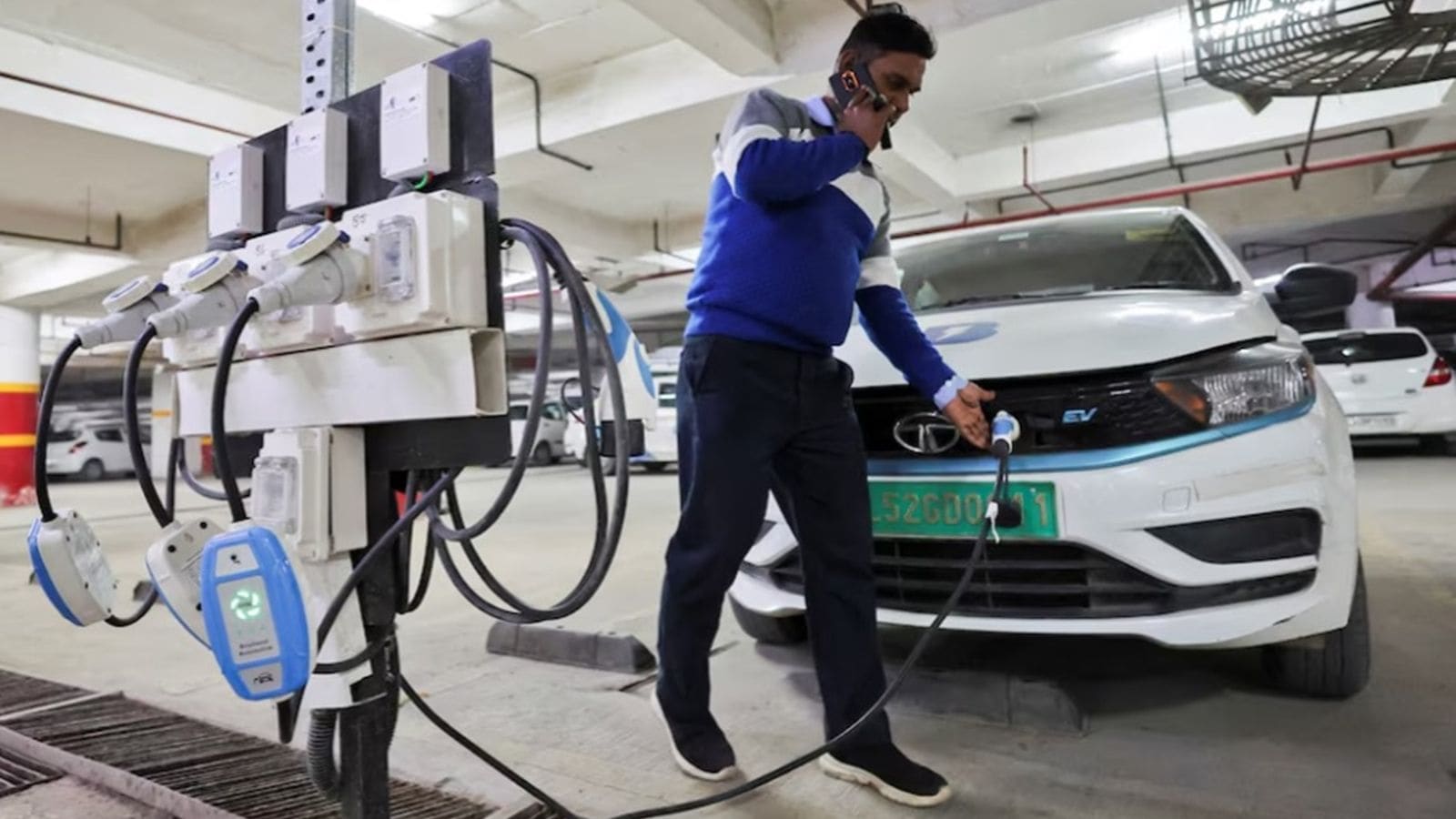
Furthermore, the draft outlines plans to enhance charging and battery swapping infrastructure and improve battery recycling processes systematically. A dedicated digital portal will be established to manage the approval, monitoring, and operation of charging and battery-swapping facilities.
“To ensure effective implementation of the new policy, an ‘EV Fund’ will be created,” Gupta announced. She indicated that a total budget of Rs 3,954.25 crore has been earmarked for this initiative, with Rs 1,236.25 crore allocated for purchase incentives, Rs 1,718 crore for scrapping incentives, and Rs 1,000 crore designated for developing EV charging infrastructure.
Transport Minister Dr. Pankaj Kumar Singh remarked, “Our EV policy aims to make clean mobility both accessible and affordable while significantly curtailing pollution. By providing tax exemptions, incentives, and expanding charging infrastructure, we seek to accelerate the transition to electric vehicles and establish a sustainable transportation system for the future.”
Stay informed with the latest updates – follow us on Instagram.