
In a bid to transform a historic pilgrimage destination into a serene spiritual retreat that emphasizes a connection with nature, the Uttar Pradesh government is developing an innovative project called the “Vedic forest” in the sacred town of Naimisharanya.
Designated Vedaranyam and situated in Sitapur district approximately 85 kilometers from Lucknow, the initiative has received approval with a budget of Rs 14.09 crore. The Uttar Pradesh Rajkiya Nirman Nigam is responsible for its implementation as part of the state’s broader tourism enhancement strategy, according to officials.
The Vedic forest will span nearly 20 acres and will be conceptually organized around the four Vedas—Rigveda, Yajurveda, Samaveda, and Atharvaveda. These ancient texts are integral to Hindu tradition, and each section of the forest will be uniquely interpreted through various landscaping and design features, officials reported.
The initial funding of Rs 7.04 crore for the project has already been allocated, as confirmed by officials.
The primary objective of this initiative is to extend the duration of tourist visits by providing experiences that surpass the conventional pilgrimage routes associated with the site.
Enclosed within the Naimisharanya Dham area, the forest is being designed as a zoned landscape characterized by trees, pathways, and open spaces, rather than traditional buildings.
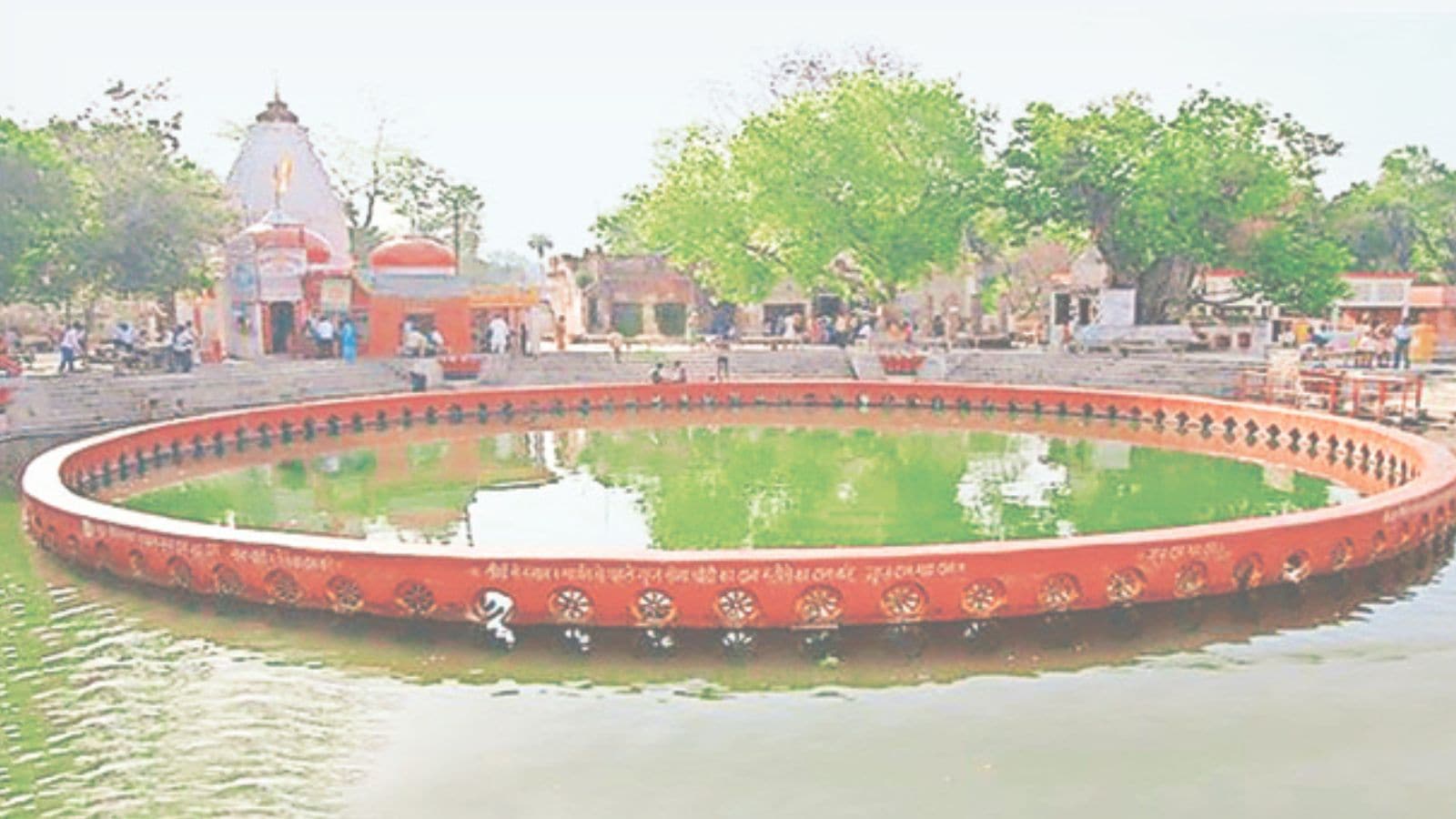
According to Amrit Abhijat, Additional Chief Secretary for Tourism, Culture, and Religious Affairs, “The Vedaranyam project is envisioned as a meticulously organized spiritual landscape that seeks to manifest traditional knowledge systems into a tangible and experiential setting. The design facilitates a flow that gently guides visitors toward Chakra Teerth, the spiritual nucleus of the area, believed to embody its cosmic energy.”
The forest’s zoning will incorporate features such as meditation areas, Ayurvedic plantings, interpretive spaces, and interconnected trails, aimed at fostering a continuous journey of reflection, wellness, and education. This strategy intends to elevate Naimisharanya from being merely a pilgrimage site to a comprehensive spiritual and wellness destination.
At the heart of the design will be the “Brahmasthan,” envisioned as the project’s spiritual epicenter. From this central point, pathways will lead to Chakratirth, the key religious landmark within Naimisharanya’s geographical framework. The planning adheres to traditional vastu principles, ensuring that both design and visitor movement are thoughtfully coordinated.
The Rigveda zone, which emphasizes natural elements such as sunlight, wind, and water, is envisioned as an open, organic space with minimal infrastructure and simple planting to preserve its natural essence. This area will also feature an open platform designated for yoga sessions.
Conversely, the Yajurveda zone, which relates to rituals and discipline, will adopt a more structured layout with clearly defined pathways and specific gathering spaces, reflecting a sense of order in its plantation design.
The Samaveda zone will be inspired by themes of music and harmony, incorporating curved pathways and balanced landscaping to evoke a sense of flow. This section is expected to include areas for quiet reflection, meditation, and sound experiences.
Focusing on healing and daily life, the Atharvaveda zone will prioritize wellness, showcasing medicinal and therapeutic plants. The design will encourage slow-paced engagement with Ayurvedic knowledge.
Officials emphasized that the zones are interlinked to create a cohesive experience, connected by walking paths and loops. “The aim is to facilitate a smooth transition for visitors from natural landscapes to structured areas, calming environments, and ultimately to wellness-focused sections,” stated an official.
The forest will also feature additional thematic zones such as Panchvriksha, which will include five sacred trees—Mandara, Parijata, Samtanaka, Hari Chandana, and Kalpa Vriksha; an Ayurveda zone showcasing plants with medicinal properties; and a Nakshatra zone that connects ecological understanding with spiritual traditions.
A network of interconnected walking trails will allow visitors to navigate the site in a manner reminiscent of traditional parikrama practices. Additionally, an audio-guided tree trail is planned to inform visitors about the significance of various plant species and their respective zones.
Built structures will be minimal and contextually relevant, including cottages, gazebos, yoga spaces, and a themed entrance. Supporting facilities will feature natural-finish pathways, restrooms, a cafeteria, ticketing counters, and seating areas.
Landscape elements will encompass lotus ponds, tulsi courtyards, stone features, sculptures, along with solar lighting, water ATMs, and waste management systems.
Officials noted that this initiative is part of a larger strategy to establish Naimisharanya as a prominent spiritual tourism destination, encouraging extended stays and enriching visitor experiences.
“While Chakrateerth remains central, the vision is to create an ecosystem around it that integrates pilgrimage routes, wellness facilities, and nature-based experiences,” another official added.
If successfully executed, the Vedic forest could represent a paradigm shift in the development of pilgrimage sites, moving from heavily structured models to tranquil, landscape-focused environments that invite visitors to connect with both their faith and the natural world, according to a tourism expert.
Maulshree Seth serves as an Assistant Editor at The Indian Express in Lucknow, bringing over 15 years of experience in journalism, with a strong focus on on-ground reporting throughout Uttar Pradesh. Her expertise covers a broad range of important topics, including state politics, governance, the judiciary, and rural development.