
The interest in electric vehicles among car buyers in Europe has significantly increased since the onset of the war in Iran, as escalating petrol prices have made electric charging a more attractive option.
Online automotive platforms in the UK, Germany, France, and Spain have noted a substantial rise in inquiries regarding electric cars since the conflict began in February.
The war has led to swift hikes in petrol prices and worldwide protests, while the impact on electricity costs has been comparatively minimal.
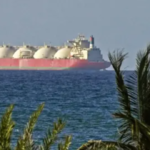
The first military actions commenced on February 28, creating chaos in global commodity markets as Iran effectively closed the Strait of Hormuz, a critical channel for oil and gas exports.
Mobile.de, the largest online car marketplace in Germany, reported that soaring fuel prices have acted as a “catalyst” for a surge in electric vehicle interest.
Ajay Bhatia, the CEO of Mobile.de, indicated that inquiries for both new and used electric cars surged more than 50% in March compared to February. During the same timeframe, inquiries for petrol and diesel vehicles declined, while interest in hybrid models—those with a smaller battery combined with a traditional engine—rose by 4%.
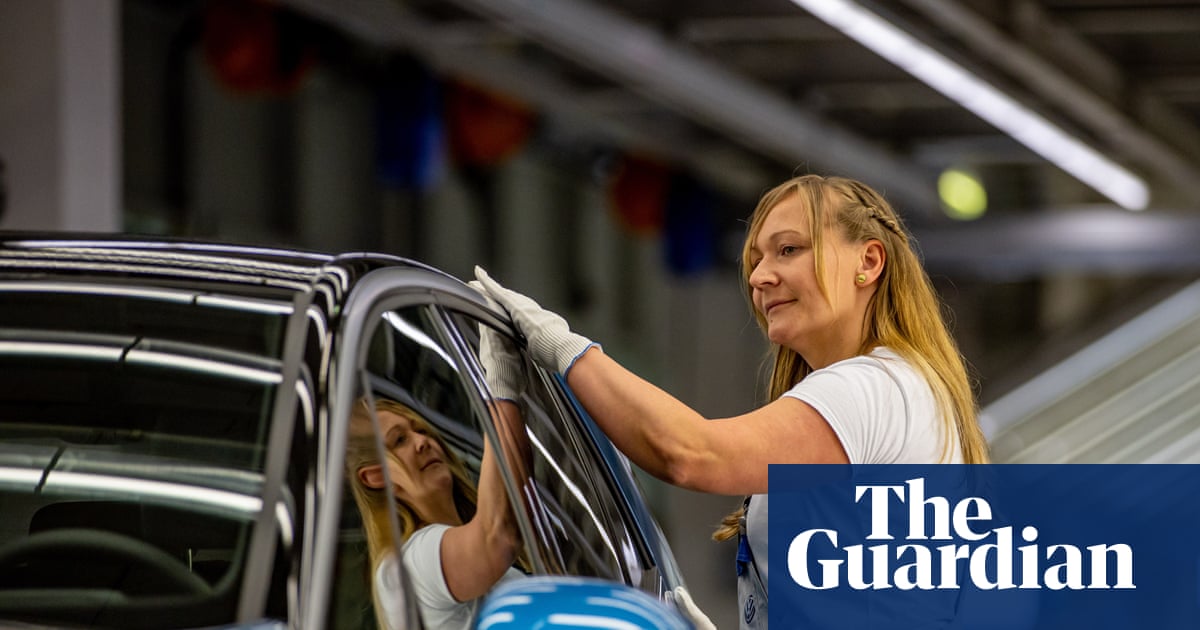
The Volkswagen ID.3 emerged as the top battery electric vehicle. Overall, demand for electric cars has increased compared to the previous year, bolstered by Berlin’s enhanced purchase subsidies of €6,000 (£5,200).
Bhatia emphasized that diesel prices reaching €2.50 per liter in Germany have provided a strong incentive for the transition to zero-emission vehicles, a movement that has previously faced challenges in Europe’s traditional automotive industry. He remarked, “What the German energy transition couldn’t achieve, the economic realities have now accelerated.”
Carwow, which connects buyers with dealerships in the UK, Spain, and Germany, reported a 20% to 30% rise in electric vehicle inquiries across all three markets from February to March. In the UK alone, demand for electric cars increased by 23%, while interest in hybrids rose by 19%.
Iain Read, Carwow’s content director, commented, “We have been observing a gradual shift away from internal combustion engines; however, the war has accelerated this trend. Consumers are increasingly concerned about the cost of living and are looking for ways to manage their expenses.”
Data released last week by the Society of Motor Manufacturers and Traders (SMMT) revealed that March saw battery electric car registrations reach 86,120 units, representing a 24.2% increase compared to the same month last year, marking a record high.
La Centrale, one of France’s largest automotive marketplaces, reported a staggering 160% increase in searches for electric vehicles between early March and early April.
Guillaume-Henri Blanchet, deputy CEO of La Centrale, noted, “Consumers are highly responsive to energy prices and are actively seeking alternatives.” He observed a notable shift in drivers’ interest towards battery electric vehicles and used cars.
AutoScout24, another vehicle marketplace, stated that the demand for electric cars surged by approximately 40% in Germany, Austria, and Italy, while inquiries for petrol and diesel vehicles remained stable or decreased.
For the automotive industry, particularly manufacturers advocating for relaxed electric vehicle targets, the pivotal question remains whether this heightened interest will persist.
Bhatia from Mobile.de expressed his belief that while the current surge may not be entirely sustainable, it would not return to previous levels, suggesting that electric vehicle demand would stabilize at a “new, higher normal,” aided by advancements in charging infrastructure and decreasing costs for battery electric vehicles.
Ian Plummer, chief customer officer at Autotrader in the UK, cautioned that previous spikes in petrol prices did not result in lasting increases in electric vehicle sales. He added, “There is still work to be done to ensure that consumers feel confident that electric cars can meet their everyday needs.”
Blanchet from La Centrale concluded, “This crisis will leave lasting impressions on consumers. The rise in petrol prices due to the conflict in Iran has heightened awareness of the total cost of ownership. Consumers are now more willing to consider a higher initial investment if it translates to lower energy costs in the long run.”