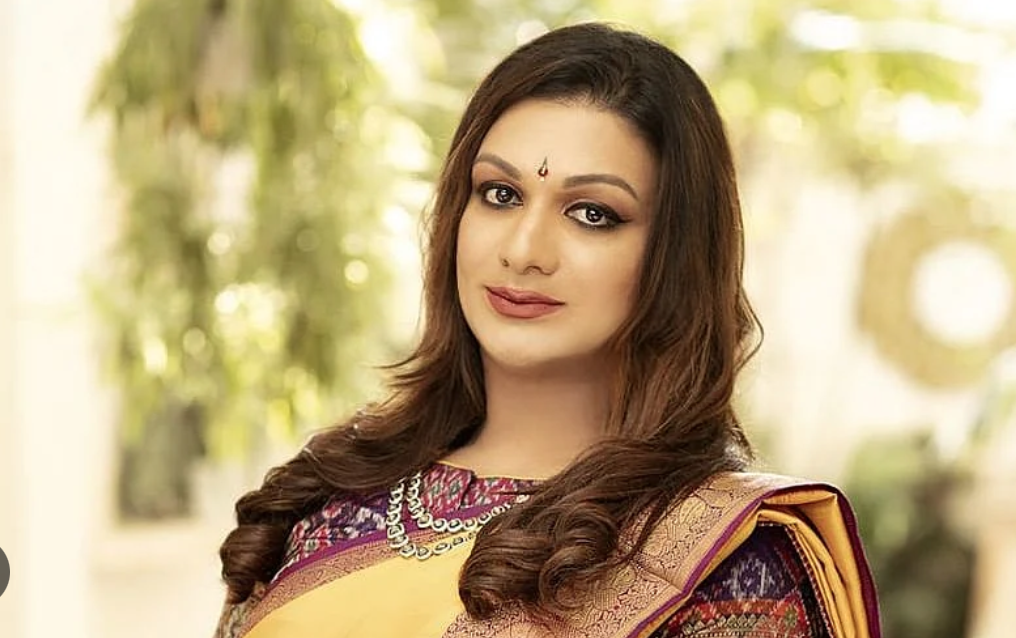

In a country of 1.4 billion people – where identity, politics, and culture collide daily – few figures have navigated visibility quite like Apsara Reddy. Her story is not just personal – it is political, social, and deeply symbolic of a changing India.
Born male and later transitioning, Apsara Reddy carved out a space in two of India’s toughest arenas: media and politics. She trained as a journalist, worked internationally, and then returned to India to step into public life – eventually becoming one of the first openly transgender spokespersons for a major political party, the All India Anna Dravida Munnetra Kazhagam.
That move alone shifted the conversation.
In a society where transgender communities have historically been marginalised – often visible only at the fringes – Apsara repositioned the narrative. She was not asking for visibility; she was claiming authority.
Articulate, media-savvy, and unapologetically direct, she quickly became a familiar face on Indian television debates. But her presence was never just about representation – it was about reframing competence.
And that is the distinction that matters.
India has long had a recognised third-gender community, particularly the Hijra tradition. But mainstream acceptance – especially within elite institutions like political parties and national media – has lagged. Apsara Reddy forced that door open.
Her journey has not been without controversy. Political affiliations, outspoken views, and the rough-and-tumble of Indian media have ensured she remains a debated figure. But that, in itself, underscores her relevance.
Because influence is rarely quiet.
Today, Apsara Reddy stands as a marker of transition – not just of gender, but of Indian society itself. A signal that while structural inequalities remain, the boundaries of participation are shifting.